You sit down with a fresh cup of coffee around three in the afternoon, feeling that familiar sluggishness settle into your shoulders and back. Like many people in their sixties, you might find that your mornings start a little stiffer and your afternoons feel a bit slower than they used to. When a friend or neighbor mentions drinking dissolved hydrogen water to help them feel more like themselves again, it is only natural to ask whether the science actually holds up.
The health market is crowded with complicated products and exaggerated claims. When you are retired or preparing for retirement, you want straightforward facts, clear answers, and honest explanations. Let us take an objective look at what molecular hydrogen is, what the published research shows for adults over sixty, and what you can realistically expect.
What Is Molecular Hydrogen Water?
Plain water is made of two hydrogen atoms bonded to one oxygen atom. While that hydrogen is locked tightly into the water molecule itself, hydrogen water simply means adding extra, dissolved molecular hydrogen gas (H2) into the glass. Because these dissolved gas molecules are unbound, your body can absorb them easily as you drink.
The reason researchers are interested in molecular hydrogen comes down to how cells handle daily wear and tear. Every day, normal metabolism and daily activity produce reactive oxygen molecules in your tissues. In a foundational laboratory study, Ohsawa et al., 2007 showed that molecular hydrogen selectively reduces the most cytotoxic oxygen radicals without neutralizing the reactive species the body uses for signaling. In simple terms, it acts like a smart helper that leaves helpful cellular signals untouched while supporting a healthy balance against everyday cellular stress.
What Does Clinical Research Show for Older Adults?
Many wellness trends are tested only on twenty-year-old college students or endurance athletes. For someone in their sixties, those results do not mean much. What matters is how dissolved hydrogen behaves in real, everyday bodies navigating the natural aging process.
Fortunately, researchers have looked specifically at mature populations. In a randomized controlled trial lasting six months, Zanini et al., 2021 evaluated the effects of hydrogen-rich water on biomarkers of aging in adults aged 70 and over. The researchers observed meaningful support for several biological markers linked to cellular vitality and physical function over time. This makes it one of the most relevant clinical trials available for older adults who want to maintain their day-to-day comfort and independence.
Other investigations have focused on how daily hydrogen water intake influences day-to-day lifestyle factors. In an eight-week randomized controlled trial, Todorovic et al., 2025 examined the effects of hydrogen-rich water on appetite, body composition, and sleep quality. For adults struggling with broken sleep or an afternoon slump, supporting restorative rest and steady daily rhythm can make an immense difference in how you feel from morning to evening.
What Hydrogen Water Cannot Do
Honest science is just as clear about what a supplement cannot do. Drinking hydrogen water is not a magic fountain of youth, and it will not turn back the clock thirty years overnight. It is also not an athletic booster designed to speed up your race times.
In fact, when researchers tested its impact on running capacity, a randomized controlled trial by Valenta et al., 2022 found that pre-exercise hydrogen-rich water did not improve running performance. Knowing these limits is important. Molecular hydrogen is best understood as a gentle, daily nutritional habit that supports cellular balance and hydration, rather than an instant performance booster or a cure-all. If you often wonder why you wake up feeling stiff and tired after age 60, consistent lifestyle support matters far more than quick fixes.
A Simple Approach: HALE Molecular Hydrogen Tablets
Getting molecular hydrogen into your water used to require bulky, expensive electronic machines or pre-packaged aluminum cans that lost their gas before you even unscrewed the cap. Dissolving a tablet directly in your own kitchen glass is a far more reliable method.
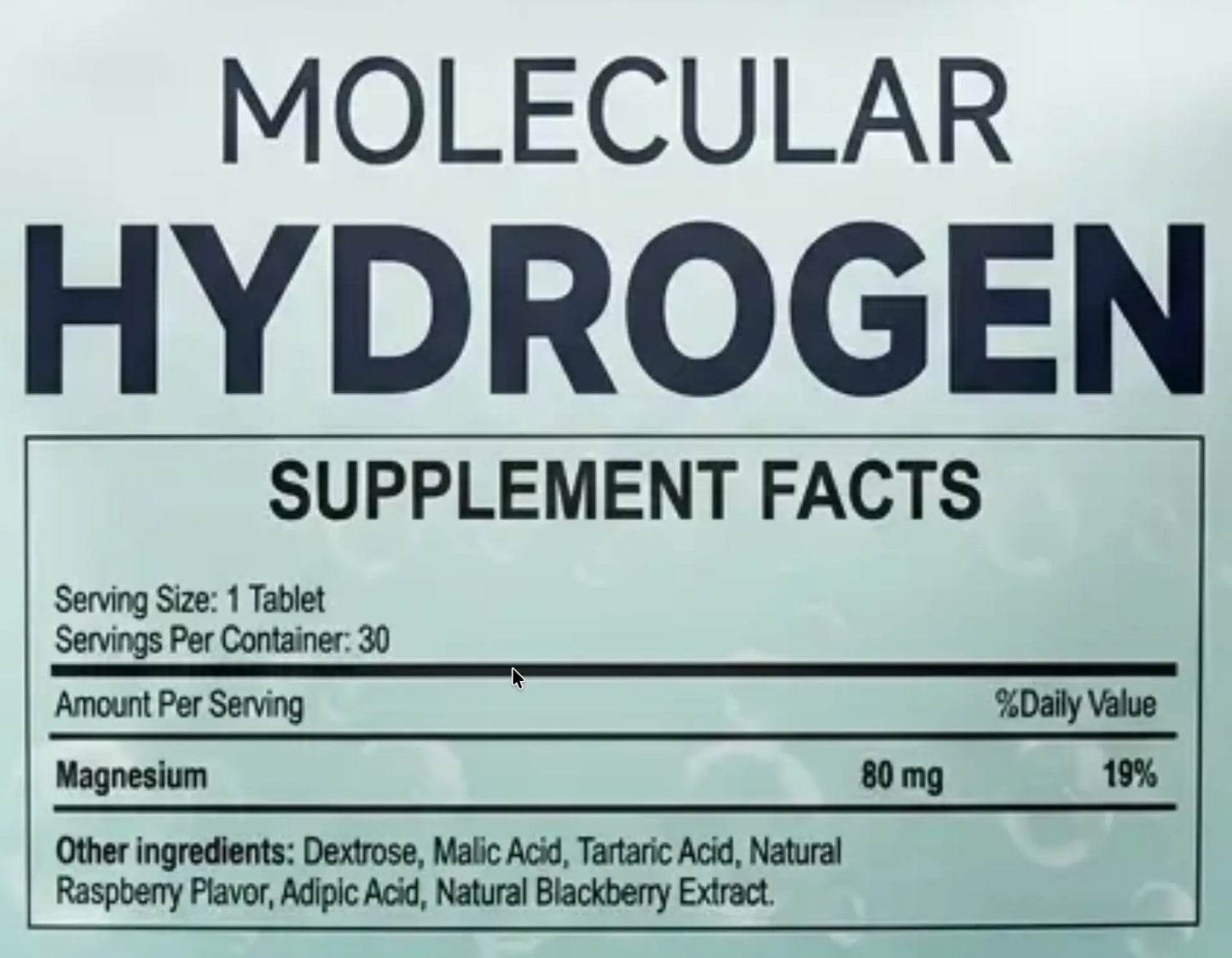
HALE Molecular Hydrogen Tablets are designed around a strict philosophy: Six Ingredients. All From Food. The formula contains 80 milligrams of magnesium (19% daily value, derived from sources like spinach), malic acid from apples, tartaric acid from grapes, dextrose as a non-GMO binder, adipic acid from beets, and a light natural berry flavor. The pouch states that each tablet generates 12 PPM of hydrogen per tablet as a generation specification.
Using HALE requires only one tablet per day. To prepare it properly: Always dissolve the tablet completely in 8-12 oz of water before drinking. Never swallow the tablet whole or chew it. Wait until fizzing stops before drinking. The tablet takes 3 to 4 minutes to dissolve completely, turning regular water into a slightly effervescent drink. If you take other supplements with breakfast, you can review our guide on how hydrogen water interacts with daily supplements to plan your timing easily.
Each pouch contains 30 tablets for a full 30-day supply. A single pouch costs $44 as a one-time purchase or $33 when you choose Subscribe & Save (a 25% savings), with free shipping throughout the 48 contiguous United States. Every order is backed by a 90-day money-back guarantee with a full refund, and you keep the pouch even if you decide it is not for you.
The Bottom Line
Are hydrogen water tablets worth trying after sixty? If you are looking for an honest, food-derived daily habit to support cellular health, maintain daily energy, and help you feel like yourself again, the clinical research shows genuine promise. By keeping your expectations grounded and choosing clean, transparent formulas, you can support your body with confidence.
Frequently Asked Questions
How long does a molecular hydrogen tablet take to dissolve?
A molecular hydrogen tablet takes 3 to 4 minutes to dissolve completely in 8 to 12 ounces of plain water. You should wait until all active fizzing has finished before drinking your glass. Never swallow the tablet dry or chew it, as it is designed solely to infuse plain drinking water.
Can hydrogen water replace my morning vitamins or minerals?
No, hydrogen water does not replace a balanced diet or your regular daily multivitamins. While HALE tablets provide 80 milligrams of magnesium from food sources to help generate hydrogen gas, they are designed to support cellular health rather than fulfill your complete daily nutritional requirements. Continue taking your normal prescribed supplements as directed.
What does molecular hydrogen water taste like?
Molecular hydrogen gas itself has no taste or smell. When dissolved using HALE tablets, the water has a very light, natural berry flavor with a clean, smooth finish. It is not sweet or syrupy, and it does not taste like carbonated soda or artificially sweetened sparkling waters.
When is the best time of day to drink hydrogen water?
Most adults prefer drinking hydrogen water first thing in the morning on an empty stomach to start their day hydrated, or around early afternoon when daily energy naturally dips. Consistency matters most, so choose whichever time fits smoothly into your normal routine and allows you to enjoy it freshly dissolved.
Disclaimer: These statements have not been evaluated by the Food and Drug Administration. HALE products are not intended to diagnose, treat, cure, or prevent any disease. Always consult a qualified healthcare provider before starting any new supplement, especially if you have a medical condition or are taking medication.