As we navigate our 30s, 40s, and 50s, physical freedom becomes one of our most valued assets. We want to climb stairs, go for morning runs, and enjoy our favorite hobbies without the unwelcome distraction of stiff, creaky joints. While wear and tear is a natural part of the physical aging process, modern science is revealing new ways to support our bodies at the cellular level. One of the most promising areas of research centers on molecular hydrogen (H2). As a tiny but potent selective antioxidant, molecular hydrogen is gaining attention for its potential to support joint comfort, protect cartilage, and promote overall physical ease. In this article, we will explore how this unique gas works within joint tissues and why it might be the missing piece in your active aging routine.
The Biology of Joint Wear and Tear
Joints are complex structures where bones meet, cushioned by cartilage and lubricated by synovial fluid. Over time, physical activity, daily movement, and natural aging introduce mechanical stress to these areas. This stress triggers a physiological cascade, leading to the accumulation of oxidative stress. When reactive oxygen species (ROS) outnumber the body's natural antioxidant defenses, cellular damage can occur.
In joints, this oxidative imbalance can compromise chondrocytes—the specialized cells responsible for maintaining cartilage—and lead to temporary discomfort, stiffness, or a reduced range of motion. Supporting the body's natural defense mechanisms against this oxidative cascade is vital for maintaining long-term physical mobility and joint comfort.
How Molecular Hydrogen Works at the Cellular Level
To understand why H2 is unique, we must look at its size and chemical behavior. Traditional antioxidants often struggle to deliver targeted support where it is needed most, but molecular hydrogen operates differently.
Selective Antioxidant Support
Unlike traditional antioxidants (such as Vitamin C or E) which neutralize free radicals indiscriminately, molecular hydrogen acts as a selective antioxidant. Research suggests it specifically targets the most harmful reactive oxygen species, such as the hydroxyl radical, while leaving beneficial signaling molecules untouched. This selective action is crucial because some free radicals play essential roles in cellular communication and adaptation to exercise. To learn more about this biological process, read about how molecular hydrogen may support longevity and recovery.
Unmatched Cellular Bioavailability
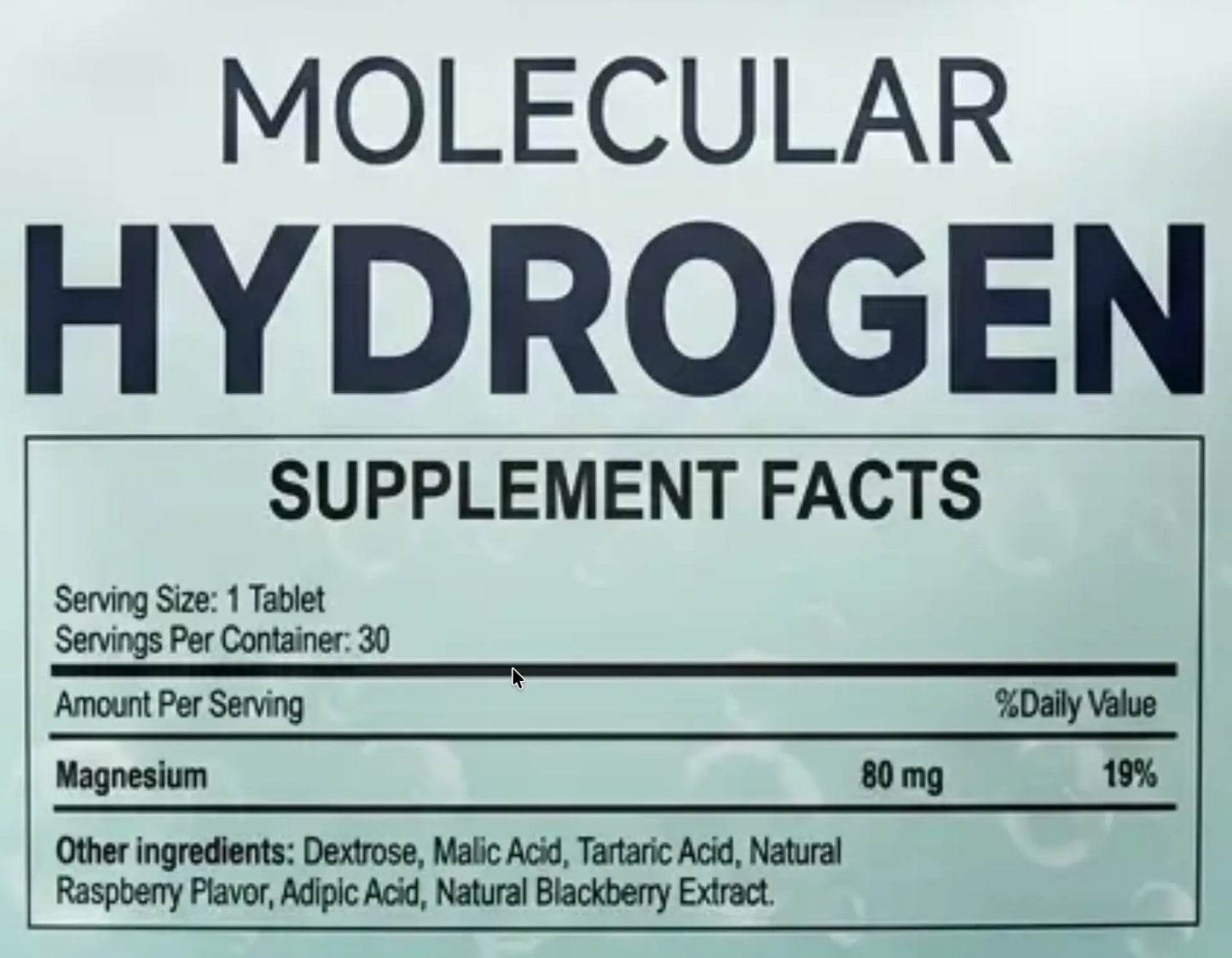
One of the greatest challenges in joint health is nutrient delivery. Joint structures, particularly cartilage, are avascular—meaning they lack direct blood vessels. This makes it incredibly difficult for standard nutrients and large antioxidant molecules to penetrate deep into the joint capsule. Molecular hydrogen is the smallest molecule in existence, consisting of just two protons and two electrons. Because of its microscopic size and neutral charge, H2 easily diffuses through cell membranes, blood barriers, and dense, avascular joint tissues. Dropping HALE molecular hydrogen tablets into water creates a highly concentrated, bioavailable drink that can deliver H2 directly to the cells that need it most.
What the Research Says About H2 and Joint Comfort
Scientific interest in molecular hydrogen has grown rapidly over the last decade, with several studies exploring its potential application for joint wellness and physical comfort.
Clinical and Preclinical Insights
Several preliminary clinical studies have investigated the relationship between hydrogen-rich water and joint comfort. In early trials of hydrogen-rich water, researchers have observed that participants drinking it daily reported improvements in subjective comfort alongside a reduction in markers of oxidative stress. While larger, long-term clinical trials are still needed, these early findings suggest that daily H2 consumption may help soothe physical discomfort and support joint fluidity.
Protecting Cartilage and Cellular Integrity
Cartilage acts as the shock absorber of our joints. When cartilage integrity is compromised, joints lose their natural cushioning, leading to stiffness and discomfort. Preclinical studies indicate that molecular hydrogen may support chondrocyte health by modulating oxidative pathways. By keeping oxidative stress in check, H2 may help preserve the structural integrity of cartilage over time, supporting a smoother, more comfortable range of motion as we age.
Synergizing Joint Support with Exercise and Recovery
For active adults, joint discomfort is often closely linked to physical exertion. While exercise is essential for cardiovascular health and longevity, intense workouts can temporarily strain joints and surrounding connective tissues. Integrating molecular hydrogen into your post-workout routine may help balance the oxidative stress generated during exercise, thereby supporting faster recovery and easing post-exercise stiffness.
To delve deeper into how H2 can elevate your fitness routine, explore our guide on molecular hydrogen and exercise recovery. Consuming hydrogen-rich water shortly after physical exertion helps the body return to homeostasis, ensuring your joints feel ready for your next session.
Practical Guide: How to Incorporate Molecular Hydrogen Into Your Routine
Using H2 is incredibly straightforward, but consistency is key to experiencing its potential benefits. The most efficient way to consume a meaningful amount of H2 is through high-quality hydrogen tablets. Simply drop one tablet into a glass of open, cold water, wait for it to fully dissolve into a cloudy, hydrogen-rich micro-bubble suspension, and drink it immediately to prevent the gas from escaping into the air.
At HALE, we prioritize transparency and scientific integrity. When developing our formulations, our approach to science focuses on delivering high-concentration H2 backed by rigorous research. Every piece of educational content we produce undergoes a strict review process by the HALE Research Team to ensure it is accurate, compliant, and grounded in peer-reviewed literature.
Frequently Asked Questions
How does molecular hydrogen support joint comfort?
Molecular hydrogen acts as a selective antioxidant, targeting harmful free radicals that contribute to oxidative stress in joint tissues. By reducing oxidative stress and supporting cellular health, H2 may help ease daily joint stiffness and support overall mobility.
Can I take hydrogen tablets with other joint supplements?
Yes. Molecular hydrogen does not have known negative interactions with common joint supplements like glucosamine, chondroitin, turmeric, or collagen. In fact, its unique ability to support cellular hydration and reduce oxidative stress may complement your existing joint health regimen.
How long does it take to notice a difference in joint comfort?
Individual experiences vary. Some people report experiencing improvements in joint comfort and post-exercise recovery within a few weeks of consistent daily use, while others may notice subtle changes in overall physical ease over a longer period.
Is molecular hydrogen safe for daily use?
Yes, molecular hydrogen has an exceptional safety profile. It is a natural gas that our gut bacteria produce in small amounts. Numerous clinical studies have shown no toxic side effects from drinking hydrogen-rich water, making it suitable for long-term daily wellness.
How many times a day should I drink hydrogen-rich water?
HALE is taken as one tablet per day, dissolved in 8-12 oz of plain water. You can drink it first thing in the morning or immediately after physical exercise.
Sources
- Ohsawa et al., Nature Medicine, 2007
- Hydrogen-rich water and inflammatory response in healthy adults, 2020
- Systematic review: hydrogen and exercise-induced oxidative stress, 2024
Disclaimer: These statements have not been evaluated by the Food and Drug Administration. HALE products are not intended to diagnose, treat, cure, or prevent any disease. Always consult a qualified healthcare provider before starting any new supplement, especially if you have a medical condition or are taking medication.