As we navigate our 30s, 40s, and 50s, maintaining peak physical and mental vitality becomes less about quick fixes and more about supporting our biology at its foundation. Between demanding careers, family commitments, and the desire to stay active, our bodies face daily stressors that can accumulate over time. This ongoing physiological stress often manifests as sluggish mornings, slower post-workout recovery, and occasional brain fog.
In the search for sustainable, research-backed wellness tools, molecular hydrogen (H2) has emerged as a fascinating subject of scientific inquiry. Rather than overriding your body's natural systems, this tiny molecule works at the cellular level to support your body's innate defenses. In this guide, we will explore what the scientific literature says about how molecular hydrogen may support your daily energy, active recovery, and long-term cellular resilience.
The Cellular Science of Molecular Hydrogen (H2)
To understand why molecular hydrogen is capturing the attention of longevity researchers, we have to look at its unique physical properties. Hydrogen is the first element on the periodic table, and molecular hydrogen (two hydrogen atoms bonded together) is the smallest molecule in existence. Because of its microscopic size, H2 can rapidly diffuse across cellular membranes, easily reaching the mitochondria—the powerhouses of your cells—and even crossing the blood-brain barrier.
Unlike traditional antioxidants, which can sometimes indiscriminately neutralize all free radicals, research suggests that molecular hydrogen acts as a selective antioxidant. In our bodies, some reactive oxygen species (ROS) serve as important signaling molecules that help us adapt to exercise and stress. H2 selectively targets only the most cytotoxic free radicals, such as the hydroxyl radical, while leaving beneficial signaling molecules untouched. To understand this mechanism in greater detail, you can read more about how molecular hydrogen works at a cellular level.
How H2 May Support Active Recovery and Physical Performance
Whether you are training for a marathon, practicing yoga, or simply trying to stay active, physical exertion naturally increases oxidative stress in your muscle tissues. While this stress is a necessary trigger for athletic adaptation, excessive oxidative buildup can lead to prolonged muscle soreness, fatigue, and a longer recovery window.
Emerging clinical studies indicate that molecular hydrogen may support muscle recovery and physical endurance. By helping to manage oxidative stress during and after intense exertion, H2 may assist in reducing lactic acid buildup and supporting overall muscle comfort. For active individuals, dissolving HALE molecular hydrogen tablets in water prior to a workout offers a convenient, stimulant-free way to prepare the body for exertion. This targeted cellular support may help you bounce back faster, allowing you to maintain a consistent exercise routine without the prolonged downtime. To dive deeper into the athletic research, explore our comprehensive review of molecular hydrogen's role in exercise and recovery.
Supporting Cognitive Clarity and Mental Focus
The human brain is an incredibly metabolically active organ, consuming roughly 20% of the body's total oxygen. This high metabolic rate makes brain tissue particularly vulnerable to oxidative stress, which can contribute to subjective feelings of brain fog, mental fatigue, and difficulty maintaining concentration throughout the workday.
Because molecular hydrogen is small enough to cross the blood-brain barrier, researchers are actively studying its potential to support neurological wellness and cognitive resilience. Studies suggest that by mitigating oxidative stress within neural pathways, H2 may support healthy cognitive function, mental clarity, and focus. Incorporating hydrogen tablets into your morning routine can provide a clean, non-jittery foundation for cognitive stamina, helping you tackle complex tasks with sustained mental clarity.
Cellular Longevity and Healthy Aging
At its core, aging is a cellular process. The mitochondrial theory of aging suggests that as we age, our mitochondria gradually become less efficient at producing energy, while simultaneously producing more oxidative waste. This imbalance can lead to a gradual decline in cellular vitality.
By supporting mitochondrial function and helping to maintain a balanced cellular environment, molecular hydrogen may support healthy aging from the inside out. Rather than attempting to reverse time, H2 supports the body's natural homeostatic mechanisms, helping cells function more efficiently as we age. At HALE, our approach to science focuses on delivering clinical-grade, high-concentration hydrogen solutions that align with the body's natural physiology, offering a clean, daily ritual to support long-term cellular longevity.
Practical Integration: Making H2 Part of Your Routine
One of the most appealing aspects of molecular hydrogen is its simplicity and safety profile. Because it is a natural gas, any excess hydrogen that your body does not utilize is simply exhaled, making it exceptionally well-tolerated with no known side effects.
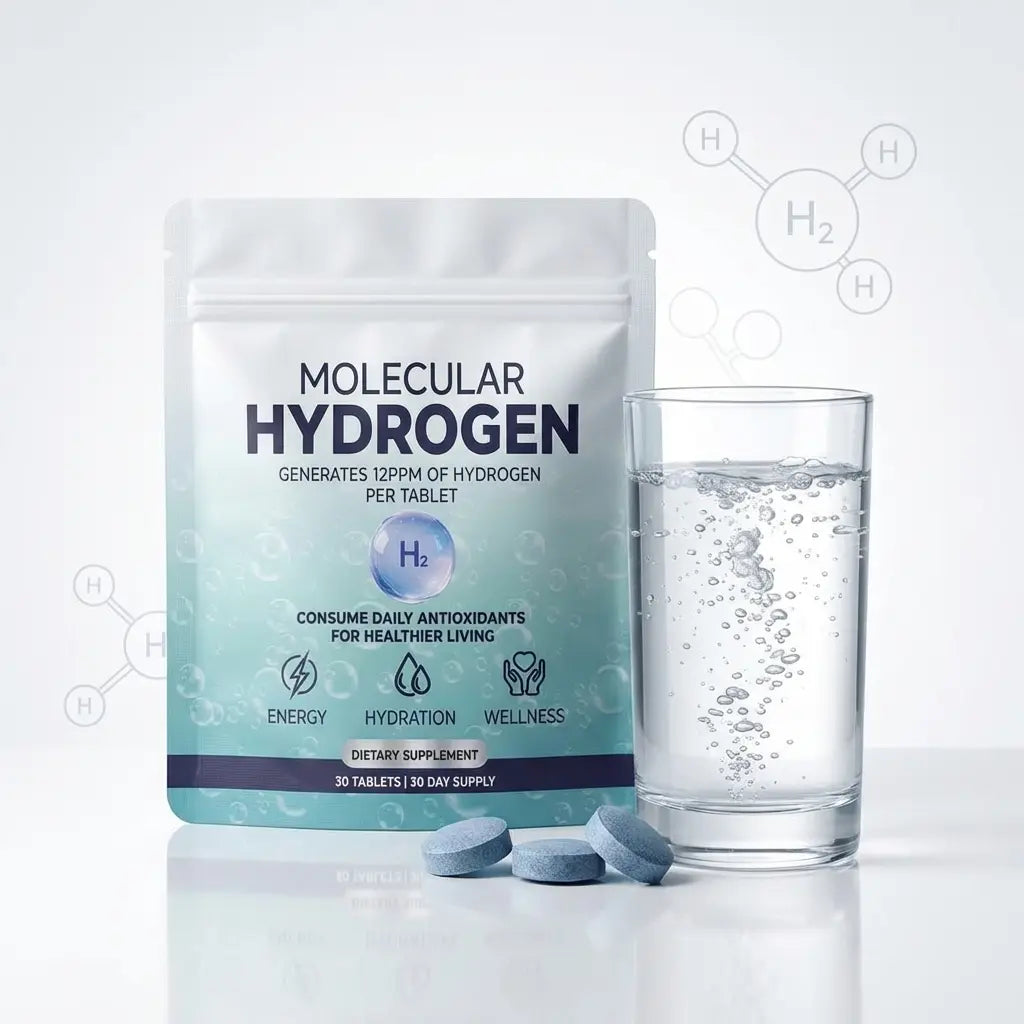
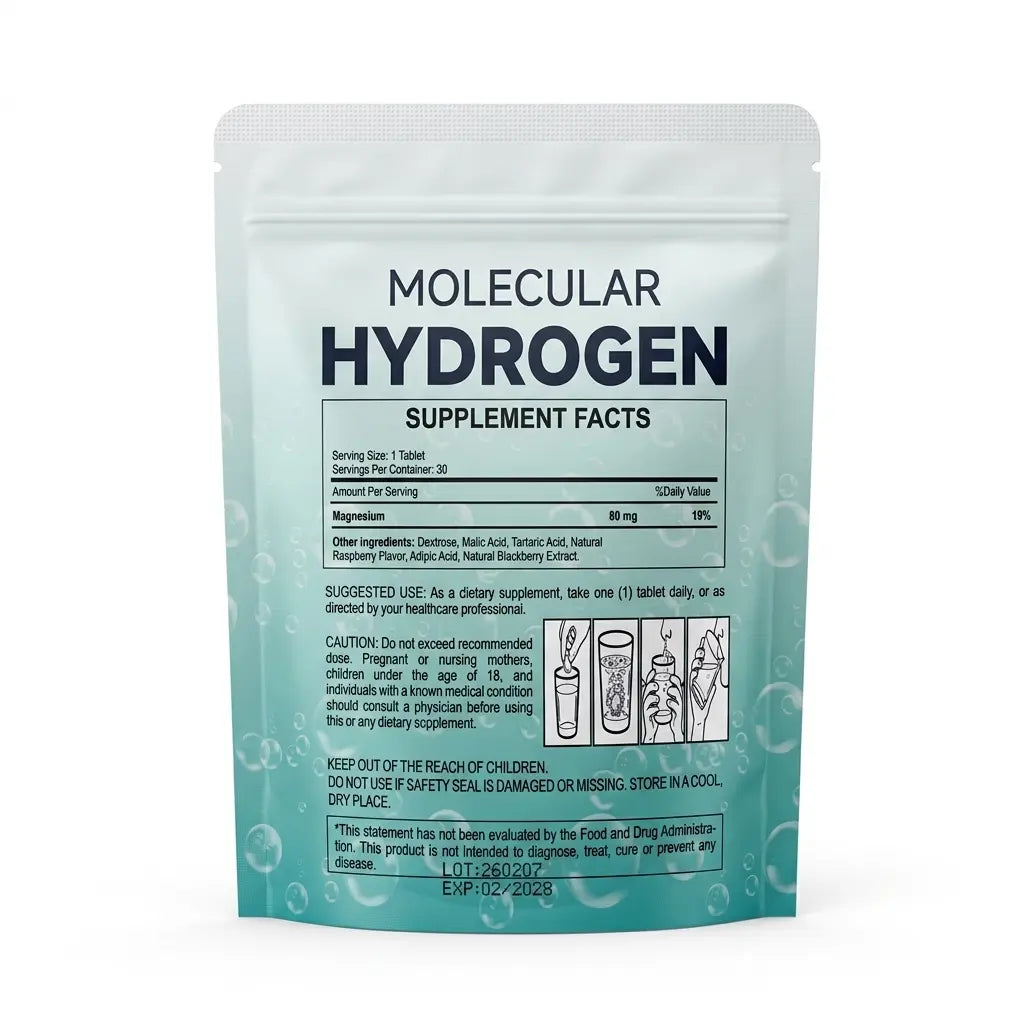
To experience the benefits, simply drop one of our highly concentrated H2 tablets into a glass of open, room-temperature water. Within minutes, the tablet will effervesce, creating millions of microscopic nanobubbles of pure hydrogen gas. For optimal results, drink the water immediately once the tablet has fully dissolved to ensure you receive the maximum concentration of active hydrogen. Our team of experts at the HALE Research Team regularly reviews emerging literature to ensure our products and educational materials reflect the highest standards of scientific integrity and clarity.
Frequently Asked Questions
What is molecular hydrogen?
Molecular hydrogen (H2) is a tasteless, odorless gas consisting of two coupled hydrogen atoms. It is the smallest molecule in existence, allowing it to easily penetrate cellular membranes and support cellular wellness throughout the body.
How does molecular hydrogen support active recovery?
Research suggests that molecular hydrogen acts as a selective antioxidant, helping to neutralize harmful free radicals generated during exercise. By supporting a healthy oxidative balance, H2 may help reduce temporary muscle fatigue and support recovery times after intense physical activity.
Are there any side effects to drinking hydrogen-rich water?
Molecular hydrogen has an outstanding safety profile. It is a naturally occurring gas in the human gut, and decades of scientific research have shown no toxic side effects. Any excess hydrogen that your body does not absorb is simply exhaled naturally.
How often should I use HALE molecular hydrogen tablets?
For general daily wellness, active recovery, and cognitive support, most individuals find that consuming one to two tablets dissolved in water daily provides optimal support. It can be taken in the morning for daily vitality, or immediately following physical exercise to support recovery.
Can I dissolve hydrogen tablets in hot water?
It is highly recommended to use cool or room-temperature water. Hydrogen gas dissolves more efficiently in cooler water; hot water causes the gas to escape into the air much more rapidly, reducing the overall concentration of H2 available for you to drink.
Sources
- https://www.ncbi.nlm.nih.gov/pmc/articles/PMC3257754/
- https://pubmed.ncbi.nlm.nih.gov/22520814/
- https://pubmed.ncbi.nlm.nih.gov/31294621/
Disclaimer: These statements have not been evaluated by the Food and Drug Administration. HALE products are not intended to diagnose, treat, cure, or prevent any disease. Always consult a qualified healthcare provider before starting any new supplement, especially if you have a medical condition or are taking medication.