The Quest for Sustainable Vitality
For many adults between the ages of 30 and 55, the search for consistent energy often leads to a cycle of stimulants and subsequent crashes. Whether it is the mid-afternoon slump at the office or the struggle to recover after a morning workout, the underlying issue is often happening at a level deeper than caffeine can reach: the cellular level. As we balance careers, families, and personal health goals, our bodies face increasing amounts of oxidative stress, which can dampen our natural vitality. This is where molecular hydrogen (H2) enters the conversation as a potential game-changer for daily energy management.
Molecular hydrogen is not a stimulant. It does not provide the jittery rush associated with espresso or energy drinks. Instead, research suggests that H2 may support the body's own energy-producing mechanisms. By addressing oxidative stress and supporting mitochondrial efficiency, hydrogen water offers a science-backed approach to maintaining focus and physical stamina throughout the day. In this guide, we will explore how this tiny molecule may help you reclaim your daily energy without the unwanted side effects of traditional boosters.
The Science of Cellular Energy: Mitochondria and H2
To understand how hydrogen water works, we must first look at the mitochondria—the powerhouses of our cells. These tiny organelles are responsible for producing adenosine triphosphate (ATP), the primary energy currency of the body. However, the process of creating ATP also generates byproducts known as reactive oxygen species (ROS), or free radicals.
The Mitochondrial Paradox
While some ROS are necessary for cellular signaling, an excess can lead to oxidative stress, which damages the mitochondria and reduces their efficiency. When your cellular engines are gummed up by oxidative damage, you may feel lethargic, foggy, or slow to recover. Studies indicate that molecular hydrogen acts as a selective antioxidant. Unlike traditional antioxidants that may neutralize all free radicals indiscriminately, H2 specifically targets the most cytotoxic (cell-damaging) radicals, such as the hydroxyl radical.
Supporting ATP Production
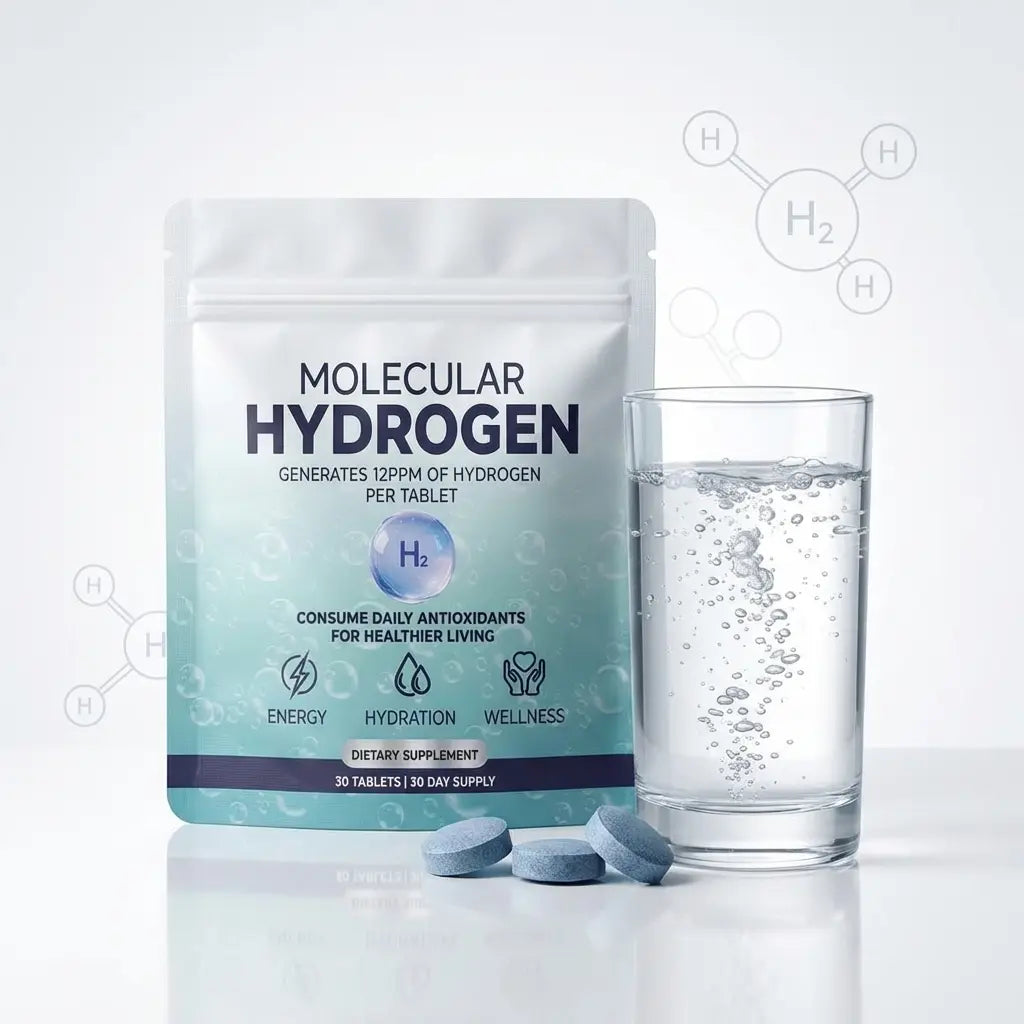
By protecting the mitochondria from excessive oxidative damage, research suggests that molecular hydrogen may help maintain the mitochondrial membrane potential, which is essential for efficient ATP production. This means your cells can produce energy more effectively, potentially leading to a more stable sense of vitality. Using HALE molecular hydrogen tablets is one of the most efficient ways to deliver a high concentration of this gas directly to your system, allowing the molecule to diffuse rapidly across cell membranes and reach the mitochondria where it is needed most.
Beyond the Caffeine Crash: A Different Kind of Energy
Most of us are familiar with the mechanism of caffeine: it works by blocking adenosine receptors in the brain, essentially tricking your body into not feeling tired. While effective in the short term, this does nothing to address the actual energy needs of your cells. Furthermore, the eventual clearance of caffeine often leads to a "crash" that leaves you more exhausted than before.
Sustained Focus and Clarity
Molecular hydrogen takes a fundamentally different approach. Instead of masking fatigue, it may support the biological processes that prevent fatigue from setting in. Because H2 is the smallest molecule in existence, it can cross the blood-brain barrier with ease. Emerging research in the field of neurobiology suggests that H2 may support cognitive function by reducing oxidative stress in the brain, which often manifests as "brain fog."
Metabolic Resilience
In addition to its role in the mitochondria, studies indicate that molecular hydrogen may influence metabolic pathways. By supporting healthy metabolic function, H2 may help the body better utilize nutrients for fuel, contributing to a more consistent energy profile throughout the day. Integrating hydrogen tablets into your morning routine can provide a foundation of cellular support that lasts long after your morning coffee has worn off.
Recovery and Physical Performance
Energy is not just about being awake; it is about the ability to move and recover. For the active adult, physical fatigue and muscle soreness are significant barriers to daily productivity. When we exercise, our oxygen consumption increases, leading to a surge in free radical production and lactic acid buildup.
Reducing Exercise-Induced Fatigue
Clinical trials involving athletes have shown that drinking hydrogen-rich water may reduce the buildup of blood lactate during heavy exercise and decrease muscle fatigue. While you may not be a professional athlete, this same mechanism applies to daily physical stressors—whether that’s a session at the gym or a long day on your feet. By mitigating the inflammatory response to exertion, H2 may help you bounce back faster, ensuring that today’s workout doesn’t drain tomorrow’s energy.
The Role of Hydration
It is also worth noting that molecular hydrogen is consumed via water, which inherently supports hydration. Proper hydration is a cornerstone of energy, as even mild dehydration can lead to significant drops in concentration and physical endurance. When you use H2 tablets, you are not only getting the benefits of the gas but also reinforcing a healthy hydration habit.
How to Incorporate Hydrogen Water Into Your Routine
Consistency is key when it comes to the benefits of molecular hydrogen. Because the body does not store H2 gas, it is best to consume it fresh to ensure you are getting the highest concentration possible. Unlike pre-packaged hydrogen waters in cans or pouches, which can lose their gas content over time, tablets allow you to create a fresh, high-ppm (parts per million) solution anywhere.
Morning: The Jumpstart
Many users find that drinking a glass of hydrogen water first thing in the morning helps clear the overnight cobwebs. It provides a clean, refreshing start that supports cellular hydration and prepares the mitochondria for the day's demands.
Afternoon: The Reset
Instead of reaching for a second or third cup of coffee around 2:00 PM, try a hydrogen-rich reset. This can help address the oxidative stress accumulated throughout a busy morning and provide a cognitive boost to carry you through the end of the workday.
Frequently Asked Questions
How many hydrogen tablets should I take daily?
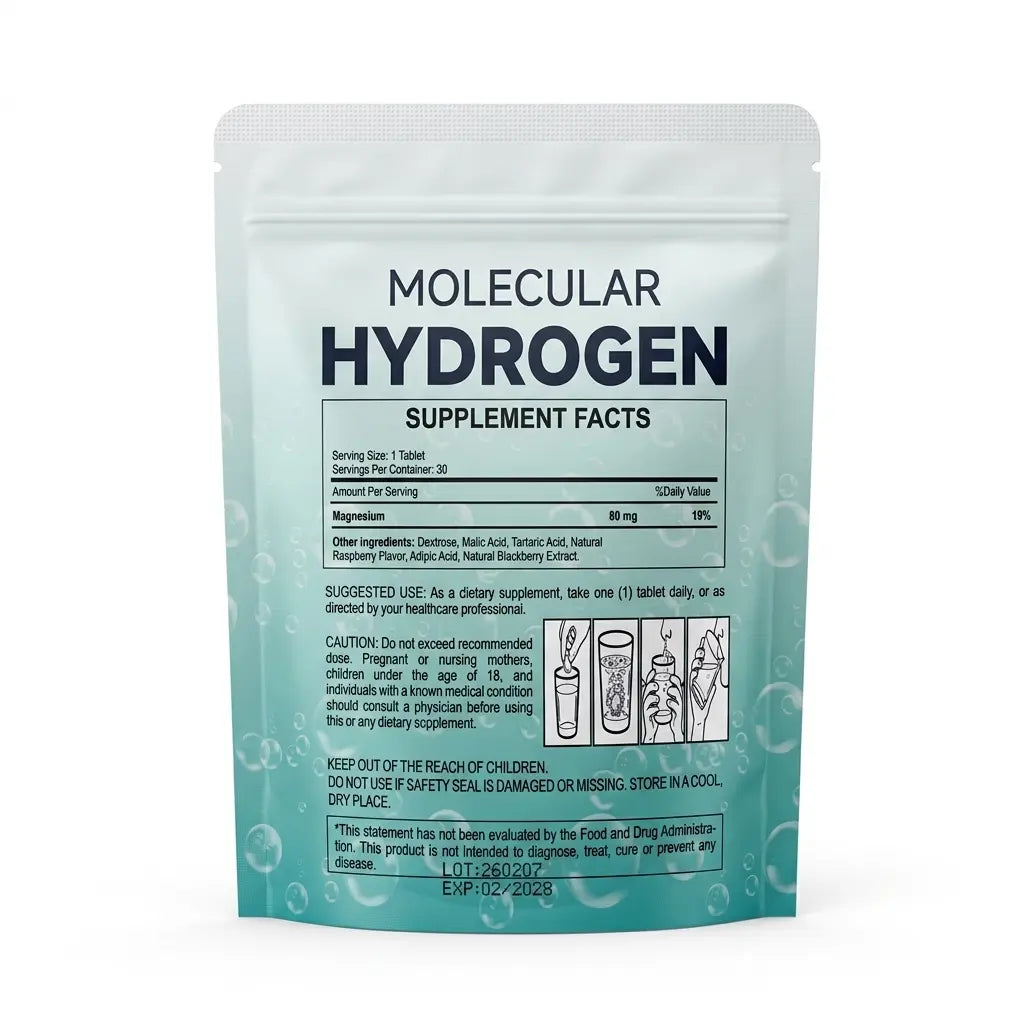
Most research and user experiences suggest that 1 to 2 tablets per day are sufficient to see benefits. Some people prefer one in the morning for daily readiness and another before or after exercise to support recovery. Always listen to your body and consult with a healthcare professional if you have specific health concerns.
Does hydrogen water taste different than regular water?
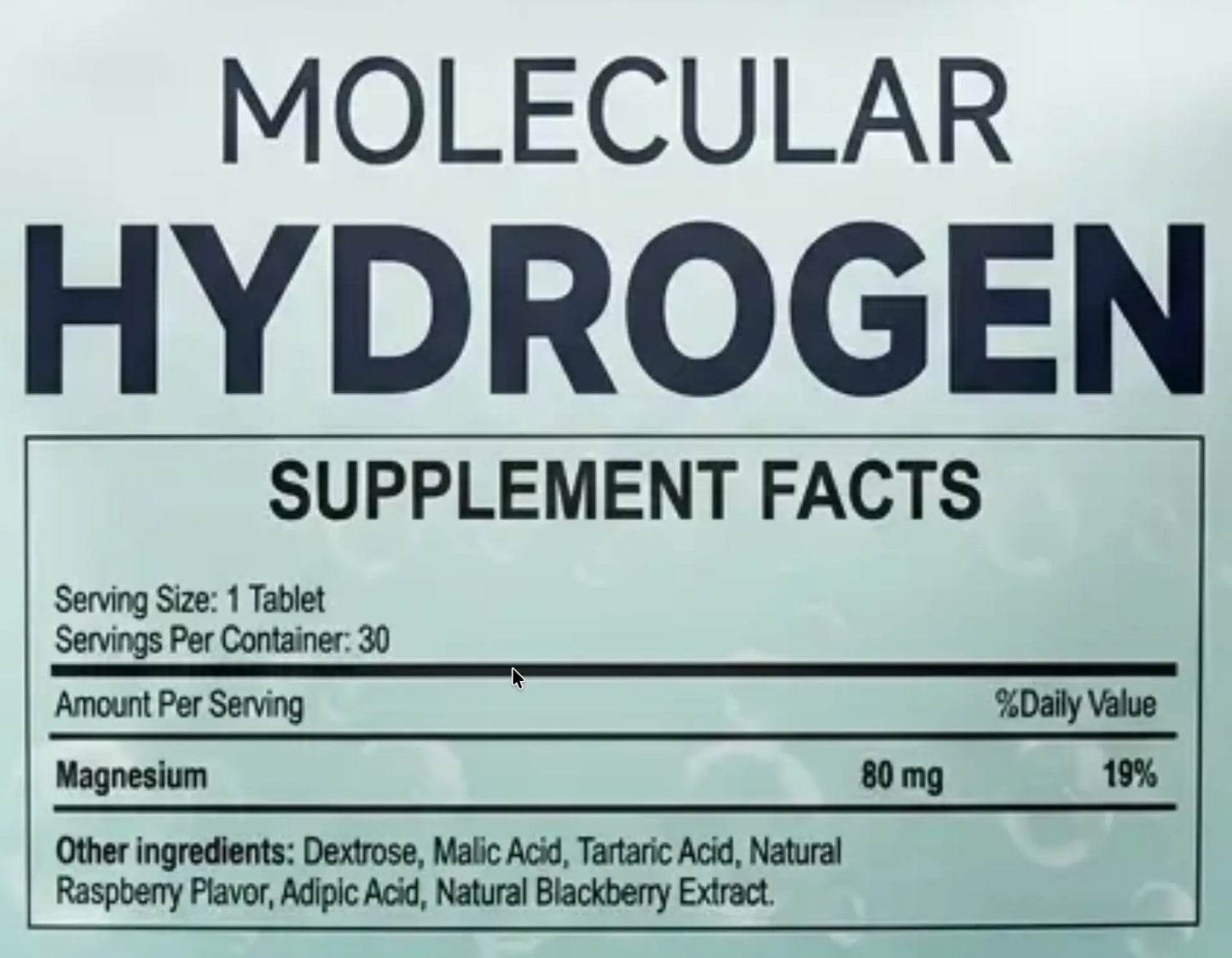
Molecular hydrogen itself is an odorless and tasteless gas. However, the process of dissolving a tablet can sometimes leave a very mild metallic or mineral taste, depending on the magnesium content of the tablet. Most users find it very palatable and refreshing, especially when consumed cold.
Can I drink hydrogen water with my medications?
Molecular hydrogen is generally recognized as safe and has no known toxic effects. However, if you are taking prescription medications, it is always best to consult your physician before adding any new supplement to your routine to ensure there are no potential interactions.
How soon will I feel the effects of hydrogen water?
While some people report feeling more alert within minutes of consumption, the most significant benefits of H2 are often cumulative. Because it works by supporting cellular health and reducing oxidative stress, you may notice more substantial improvements in your overall energy levels and recovery times after 2 to 4 weeks of consistent daily use.
Is it better to drink it on an empty stomach?
While H2 can be consumed at any time, many experts suggest drinking it on an empty stomach to allow for the fastest possible diffusion of the gas into your system. This ensures that the hydrogen reaches your cells quickly without being slowed down by the digestion of food.
Why not just use a hydrogen water machine?
While machines are an option, they often require significant maintenance and may not achieve the same high concentrations of H2 as specialized tablets. Tablets offer a portable, high-dose delivery method that ensures you are getting a therapeutic level of molecular hydrogen every time you drink.
Sources
- https://www.ncbi.nlm.nih.gov/pmc/articles/PMC3257754/
- https://pubmed.ncbi.nlm.nih.gov/32348332/
- https://www.ncbi.nlm.nih.gov/pmc/articles/PMC5731988/
- https://pubmed.ncbi.nlm.nih.gov/22146674/
Disclaimer: These statements have not been evaluated by the Food and Drug Administration. HALE products are not intended to diagnose, treat, cure, or prevent any disease. Always consult a qualified healthcare provider before starting any new supplement, especially if you have a medical condition or are taking medication.