In our fast-paced modern world, achieving truly restorative sleep has become one of the greatest challenges of adult life. Between the blue light emitted by our screens, demanding work schedules, and the constant buzz of daily responsibilities, our natural sleep-wake cycles are frequently disrupted. For those in their 30s, 40s, and 50s, this lack of deep, restorative rest is not just a minor inconvenience; it directly impacts daytime cognitive performance, metabolic health, physical recovery, and the aging process itself.
While traditional sleep aids often rely on heavy sedatives that can leave you feeling groggy the next morning, researchers are increasingly looking at cellular health as the foundation for better rest. One molecule gathering significant attention in the scientific community is molecular hydrogen (H2). As a tiny, highly bioavailable gas, molecular hydrogen may support sleep quality by addressing the root cellular stressors that keep our minds and bodies from fully winding down at night. In this article, we will explore the science behind H2 and how it may help you achieve more refreshing, natural sleep.
The Relationship Between Sleep, Oxidative Stress, and Cellular Health
To understand how molecular hydrogen may support your sleep, it is first necessary to look at what happens inside our cells when we are awake and when we sleep. Throughout the day, our normal metabolic processes—combined with external factors like stress, poor diet, and environmental toxins—generate unstable molecules called reactive oxygen species (ROS), commonly known as free radicals. When these free radicals accumulate, they cause oxidative stress, which can damage cells, proteins, and DNA.
Sleep is the body’s natural biological mechanism for clearing this cellular waste. During deep sleep phases, the brain and body undergo a highly coordinated “housecleaning” process, neutralizing oxidative stress and repairing cellular damage. However, when we are chronically stressed or exposed to persistent environmental demands, our natural antioxidant defenses can become overwhelmed. This persistent oxidative stress can disrupt the delicate brain structures and neurotransmitters responsible for regulating our sleep-wake cycles, creating a frustrating cycle where oxidative stress impairs sleep, and poor sleep further increases oxidative stress.
How Oxidative Stress Disrupts the Circadian Rhythm
Our internal biological clock, or circadian rhythm, is controlled by a master pacemaker in the brain called the suprachiasmatic nucleus (SCN). Studies suggest that the SCN is highly sensitive to the redox state (the balance between antioxidants and oxidants) within our cells. When oxidative stress is elevated, it can interfere with the signaling pathways that tell our body when to produce melatonin, the hormone responsible for signaling sleepiness. By helping to maintain a balanced cellular environment, molecular hydrogen may support the natural rhythm of these master regulators, paving the way for easier sleep onset.
How Molecular Hydrogen May Support Nighttime Relaxation
Molecular hydrogen is unique because of its extremely small molecular size. Unlike larger antioxidant compounds, H2 can easily penetrate cellular membranes and cross the blood-brain barrier. This allows it to exert its beneficial effects directly within the mitochondria and the central nervous system, where it acts as a selective antioxidant—neutralizing only the most harmful free radicals while leaving beneficial signaling molecules untouched. For a deeper dive into this unique mechanism, you can read about how molecular hydrogen may support mental clarity.
By selectively neutralizing harmful free radicals in the brain, molecular hydrogen may help soothe the overactive nervous system. When the brain is less burdened by cellular stress, it can transition more smoothly from the sympathetic nervous system state (the “fight-or-flight” response) into the parasympathetic nervous system state (the “rest-and-digest” response). This shift is absolutely crucial for falling asleep; without a dominant parasympathetic state, your heart rate remains elevated, your muscles stay tense, and your mind continues to race.
Supporting Neurotransmitter Balance
In addition to its antioxidant properties, emerging animal and laboratory research suggests that molecular hydrogen may influence the expression of specific neurotransmitters associated with mood and relaxation. Specifically, some studies indicate that H2 may support the expression of gamma-aminobutyric acid (GABA), the primary inhibitory neurotransmitter in the brain that helps quiet neural activity and promote a sense of calm. While clinical trials in humans are ongoing, these findings point to a promising physiological pathway through which H2 may support the transition into deep relaxation before bedtime.
Mitigating the Physiological Effects of Occasional Sleep Deprivation
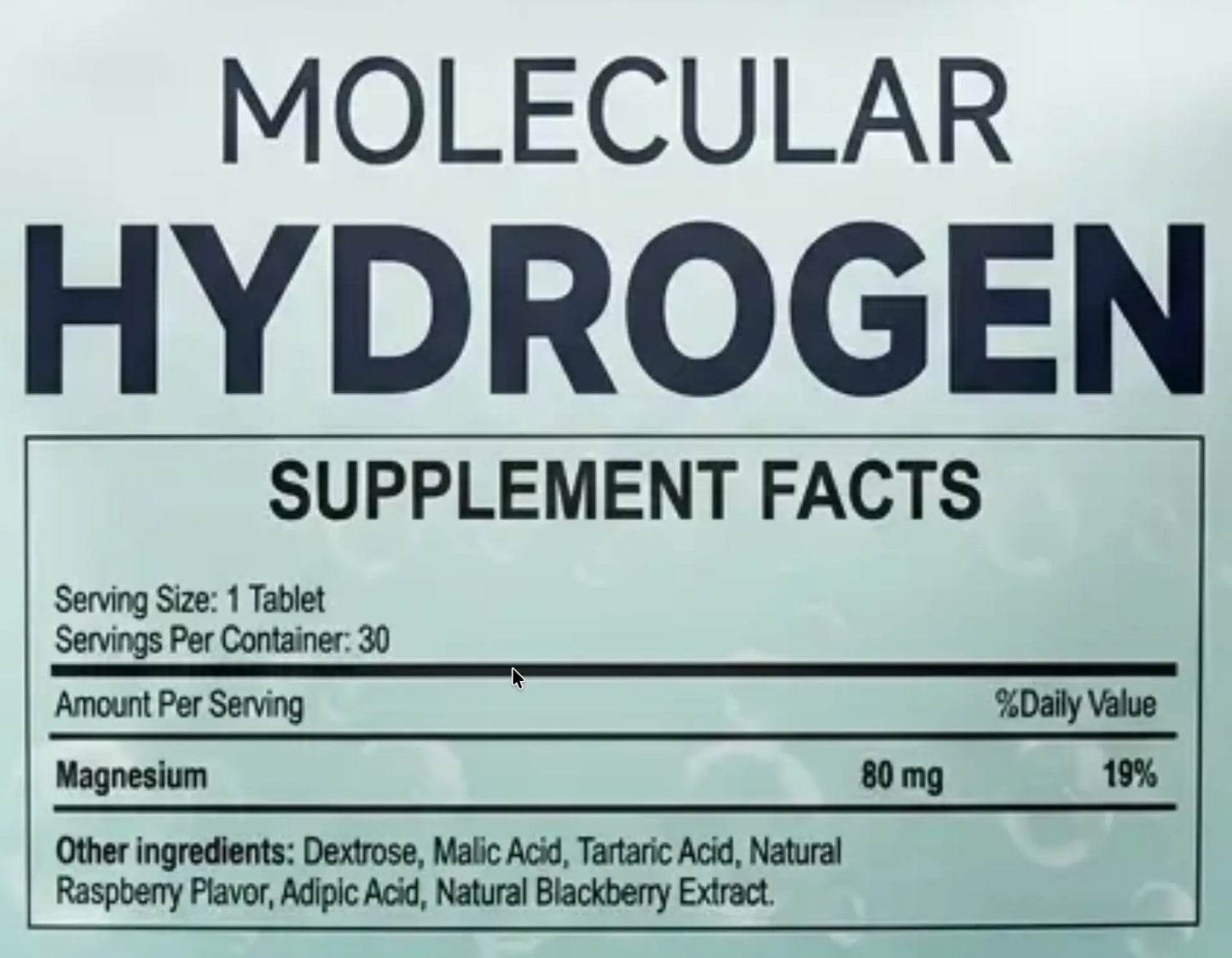
Even with the best intentions, there are nights when high-quality sleep remains elusive. Whether due to travel, family demands, or occasional stress, a poor night of sleep can leave you feeling depleted the next day. This is where the cellular protective qualities of HALE molecular hydrogen tablets can play a supportive role in your daily wellness toolkit.
When we are sleep-deprived, our cells experience a sharp increase in oxidative stress and mild systemic inflammation, which contributes to that familiar feeling of physical fatigue, heavy limbs, and brain fog. Research indicates that molecular hydrogen may help protect cells from the metabolic stress caused by sleep restriction. By supporting mitochondrial function and limiting the inflammatory cascade associated with sleep loss, H2 may help mitigate the daytime toll of a restless night, supporting your cellular energy and resilience until you can get back on a regular sleep schedule. This protective quality is also closely linked to how molecular hydrogen may support longevity and recovery over time.
How to Incorporate H2 into Your Nighttime Wellness Routine
To experience the potential sleep-supportive benefits of molecular hydrogen, consistency and timing are key. Unlike some supplements that require weeks to build up in your system, H2 gas is rapidly absorbed and utilized by your cells, making it an excellent addition to a mindful evening wind-down ritual.
Here is a simple, science-backed way to integrate hydrogen tablets into your nightly routine:
- Time It Right: Aim to drink your hydrogen-rich water approximately 30 to 60 minutes before you plan to go to sleep. This gives the H2 gas ample time to circulate through your system, cross the blood-brain barrier, and begin supporting cellular relaxation as you prepare for bed.
- Prepare the Water Correctly: Drop one tablet into a glass of cool, filtered water (about 8 to 12 ounces). Let the tablet dissolve completely. You will see millions of microscopic hydrogen bubbles forming. Drink the water immediately once the tablet is fully dissolved to ensure you receive the maximum concentration of active H2 gas.
- Create a Low-Stimulus Environment: While your hydrogen water is dissolving, take a break from screens. Dim the lights, practice deep breathing, or read a book. Combining the cellular support of molecular hydrogen with healthy sleep hygiene practices maximizes your chances of a deeply restful night.
At HALE, our approach to science focuses on delivering clean, highly concentrated, and bioavailable wellness solutions. We believe in transparency and rigorous standards, which is why our content is guided by the HALE Research Team to ensure that every scientific claim is backed by peer-reviewed literature and communicated without unnecessary hype.
Frequently Asked Questions
Can molecular hydrogen make me feel drowsy during the day?
No, molecular hydrogen does not act as a direct sedative or muscle relaxant, so it will not cause daytime drowsiness. Instead of forcing your body into sleep, H2 works by supporting cellular balance, reducing oxidative stress, and promoting a state of physiological calm. When taken during the day, it can actually support alertness, mental clarity, and cellular energy production.
When is the best time of day to take hydrogen tablets for sleep?
If your primary goal is to support nighttime sleep quality and relaxation, the best time to consume hydrogen-rich water is 30 to 60 minutes before bedtime. However, because H2 supports overall cellular wellness and mitochondrial health, taking it in the morning is also highly beneficial for daytime energy and focus.
Does molecular hydrogen contain melatonin or other sleep hormones?
No, HALE molecular hydrogen tablets do not contain melatonin, herbs, or any pharmaceutical sleep aids. They consist of a proprietary blend of pure magnesium and organic acids that react with water to generate highly concentrated H2 gas. This makes it a non-habit-forming option that supports your body’s natural physiological processes rather than overriding them with external hormones.
How long does it take to notice a difference in sleep quality?
Because everyone’s baseline level of oxidative stress and cellular health is different, individual experiences will vary. Some people report feeling a sense of physical and mental relaxation within the first few nights of using H2 tablets before bed. For others, the benefits accumulate more gradually over several weeks of consistent daily use as cellular balance is restored.
Can I drink hydrogen water right before bed if I have a sensitive bladder?
If you are concerned about waking up in the middle of the night to use the restroom, you can dissolve your tablet in 8 ounces of water rather than 12, and drink it 60 to 90 minutes before bed. That is still within the recommended 8-12 oz range, and it gives your body plenty of time to process the liquid before you fall asleep.
Is there scientific evidence supporting H2 for sleep and relaxation?
Yes, several preliminary human clinical trials and animal models suggest that molecular hydrogen may support autonomic nervous system balance, promote a healthy response to daily stress, and reduce markers of oxidative stress that interfere with sleep. While larger-scale clinical trials are still ongoing, the existing research points to a connection between molecular hydrogen and the cellular processes involved in restful sleep.
Sources
- Ohsawa et al., Nature Medicine, 2007
- Eight weeks of hydrogen-rich water and sleep quality, 2025
- Hydrogen-rich water and alertness in sleep-deprived adults, 2021
Disclaimer: These statements have not been evaluated by the Food and Drug Administration. HALE products are not intended to diagnose, treat, cure, or prevent any disease. Always consult a qualified healthcare provider before starting any new supplement, especially if you have a medical condition or are taking medication.