For active adults balancing demanding careers, family lives, and fitness goals, the true bottleneck to progress is rarely the workout itself—it is the recovery. As we age, our bodies naturally become less efficient at neutralizing the metabolic byproducts of intense physical exertion. This shift can manifest as prolonged muscle soreness, persistent fatigue, and longer intervals between high-performance training sessions.
While traditional recovery protocols like cold plunges, stretching, and protein supplementation remain popular, researchers are increasingly looking at cellular interventions to optimize the post-workout window. Among these, molecular hydrogen (H2) has emerged as a compelling, science-backed molecule capable of supporting recovery from the inside out. By delivering targeted antioxidant support directly to fatigued tissues, molecular hydrogen tablets offer a convenient, highly bioavailable way to support active recovery and maintain daily vitality.
The Physiology of Active Recovery and Oxidative Stress
To understand how molecular hydrogen works, we must first look at what happens to our muscles during exercise. When we push our physical limits, our cells consume oxygen at an accelerated rate to produce adenosine triphosphate (ATP), the primary energy currency of the body. A natural byproduct of this metabolic surge is the creation of reactive oxygen species (ROS), commonly known as free radicals.
While moderate levels of ROS act as important signaling molecules that prompt the body to adapt and grow stronger, an excess leads to a state called oxidative stress. This cellular stress can damage muscle membranes, contribute to micro-tears, and trigger a cascade of temporary inflammatory responses that we experience as delayed onset muscle soreness (DOMS). To learn more about how this process affects your workouts, you can read our deep dive into molecular hydrogen and exercise performance.
Unlike conventional antioxidants like Vitamin C or E, which can sometimes over-neutralize free radicals and blunt the beneficial adaptations of exercise, molecular hydrogen acts selectively. Research suggests that H2 specifically targets the most damaging, highly reactive free radicals—such as the hydroxyl radical—while leaving beneficial signaling molecules intact. This selective process supports the body's natural recovery mechanisms without interfering with your fitness gains.
How Molecular Hydrogen Supports Muscle Rebound
Integrating molecular hydrogen into your post-workout routine may support several physiological pathways that contribute to faster muscle rebound and reduced physical fatigue.
Mitigating Exercise-Induced Muscle Fatigue
During strenuous exercise, lactic acid and hydrogen ions accumulate in the muscle tissue, leading to a drop in pH and the familiar sensation of muscle burn. Studies indicate that drinking hydrogen-rich water prior to or immediately after exercise may help maintain a more favorable pH balance, supporting muscle endurance and reducing the severity of post-workout soreness. By helping to buffer this metabolic acidosis, molecular hydrogen supports the body's ability to bounce back quickly for the next session.
Supporting Mitochondrial Function and ATP Production
Our mitochondria are the cellular powerhouses responsible for generating energy during both rest and exercise. However, they are also highly vulnerable to oxidative damage. When mitochondria are stressed, energy production drops, leading to systemic physical and mental fatigue. Research suggests that molecular hydrogen may help protect mitochondrial membranes from oxidative damage, thereby supporting efficient ATP production. To explore this pathway further, read about how molecular hydrogen supports energy and recovery at the cellular level.
The Science of High-Concentration Hydrogen Delivery
While hydrogen gas is the smallest molecule in the universe, its size makes it both highly therapeutic and exceptionally difficult to contain. It can easily penetrate cellular membranes, the blood-brain barrier, and even the mitochondria themselves. However, this also means it escapes rapidly from standard containers.
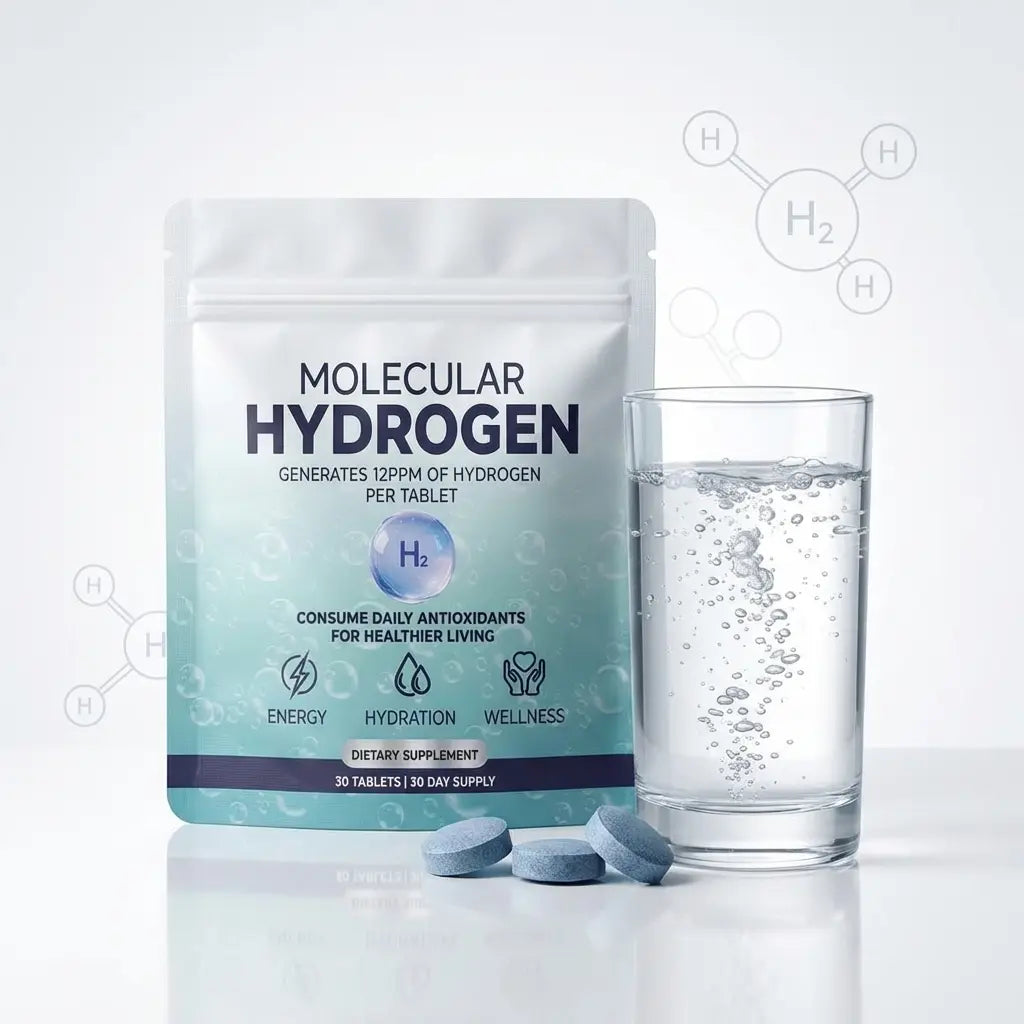
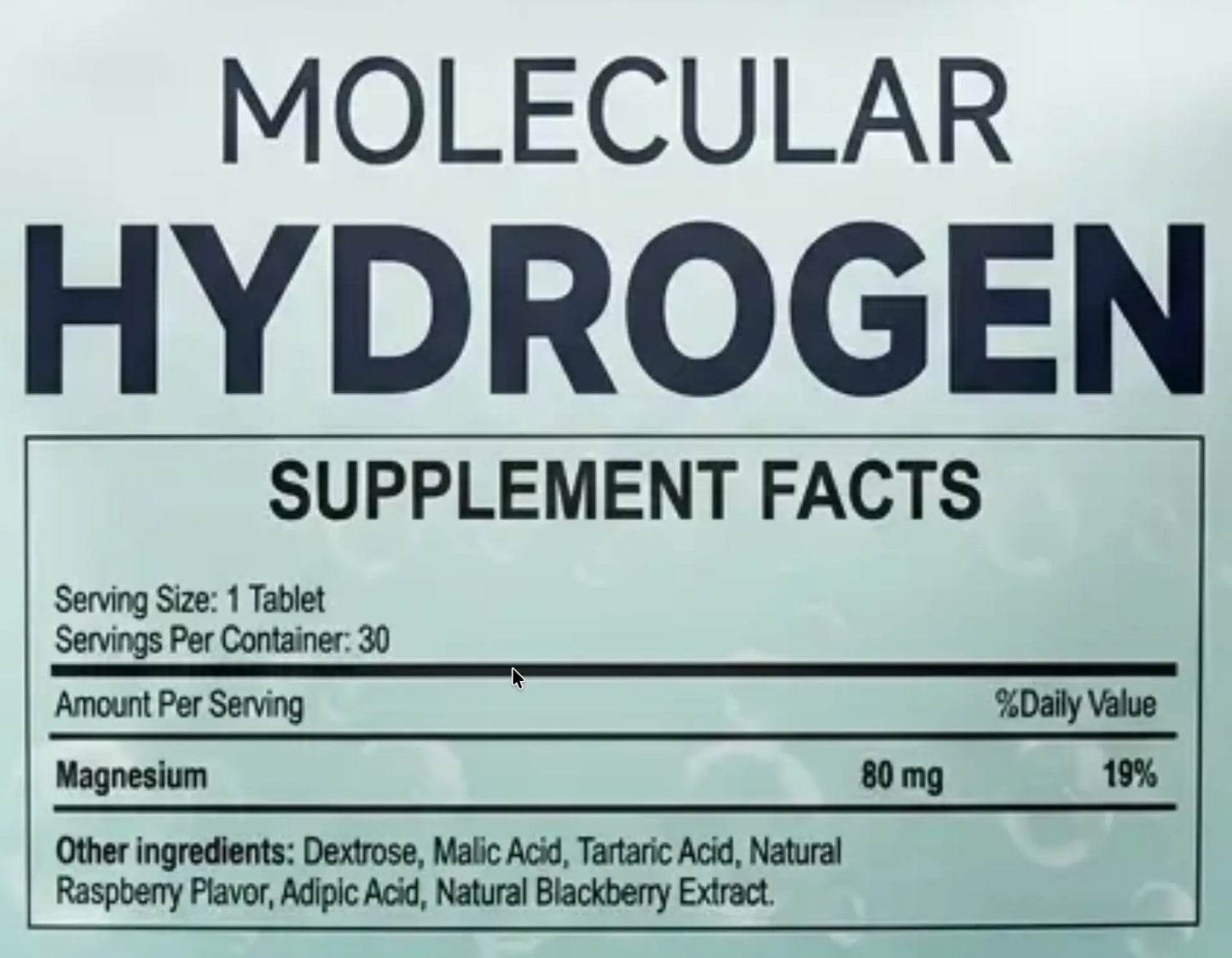
This is where advanced delivery methods become essential. Utilizing high-quality HALE molecular hydrogen tablets allows you to generate freshly dissolved hydrogen gas in water immediately before consumption. When these tablets are dropped into water, they undergo a chemical reaction that produces millions of microscopic H2 bubbles, creating a highly concentrated, bioavailable beverage.
At HALE, our approach to science focuses on delivering clinically relevant concentrations of hydrogen. By consuming hydrogen-rich water right after the tablet dissolves, you ensure that the gas is fully bioavailable, allowing it to rapidly diffuse into your bloodstream and reach fatigued muscle tissues when they need it most.
Incorporating Molecular Hydrogen into Your Post-Workout Routine
Maximizing the benefits of molecular hydrogen for active recovery relies on timing and consistency. Here is a simple, science-backed protocol to integrate hydrogen water into your active lifestyle:
- The Pre-Workout Primer: Drink one glass of hydrogen-rich water 30 minutes before your workout to help prime your antioxidant defenses and support cellular hydration.
- The Post-Workout Rebound: Dissolve one of our hydrogen tablets in 12–16 ounces of cool water immediately after your session. Drink it within 15 minutes to capture the maximum concentration of dissolved gas. This helps address the peak of exercise-induced oxidative stress.
- Daily Maintenance: Consuming hydrogen-rich water consistently, even on rest days, supports ongoing cellular wellness and mitochondrial health, helping you maintain a baseline of vitality.
Our editorial standards and research reviews are guided by the HALE Research Team, ensuring that every protocol we suggest is grounded in published, peer-reviewed scientific literature.
Beyond the Gym: Holistic Recovery and Longevity
Active recovery is not just about muscle repair; it is about systemic balance. For adults in the 30–55 age bracket, physical recovery is deeply intertwined with sleep quality, joint comfort, and cognitive clarity. Chronic, low-grade oxidative stress from daily life—compounded by intense exercise—can affect all of these areas.
By acting as a selective cellular antioxidant, molecular hydrogen may support a healthy inflammatory response throughout the entire body. This systemic support can translate to improved joint comfort, more restful sleep, and sharper mental clarity during the workday. Incorporating H2 tablets into your daily routine is an investment in your overall longevity, helping you remain active, sharp, and resilient for years to come.
Frequently Asked Questions
What is the best time to take molecular hydrogen tablets for recovery?
For optimal active recovery, we recommend drinking hydrogen-rich water within 30 minutes of completing your workout. This timing directly targets the peak of exercise-induced oxidative stress and helps accelerate muscle rebound. Consuming a serving 30 minutes before exercise can also support endurance and buffer lactic acid build-up.
How does molecular hydrogen differ from traditional antioxidant supplements?
Traditional antioxidants (like Vitamins C and E) are large molecules that non-selectively neutralize all free radicals, which can sometimes interfere with the natural muscle-building signals triggered by exercise. Molecular hydrogen is the smallest molecule in existence, allowing it to easily penetrate cellular membranes and selectively target only the most harmful free radicals, leaving beneficial signaling molecules intact.
Is there scientific evidence supporting molecular hydrogen for athletes?
Yes, several pilot studies and clinical trials indicate that hydrogen-rich water may support physical recovery. Research has shown that athletes consuming hydrogen water experienced lower blood lactate levels, reduced muscle fatigue, and supported markers of cellular health after intense exercise compared to those drinking regular water.
Can I take molecular hydrogen tablets daily?
Absolutely. Molecular hydrogen has an excellent safety profile, with no known toxic side effects. Because any excess hydrogen gas is simply exhaled naturally, taking it daily is a safe and effective way to support mitochondrial health, daily energy levels, and systemic recovery.
How do I prepare and consume hydrogen-rich water?
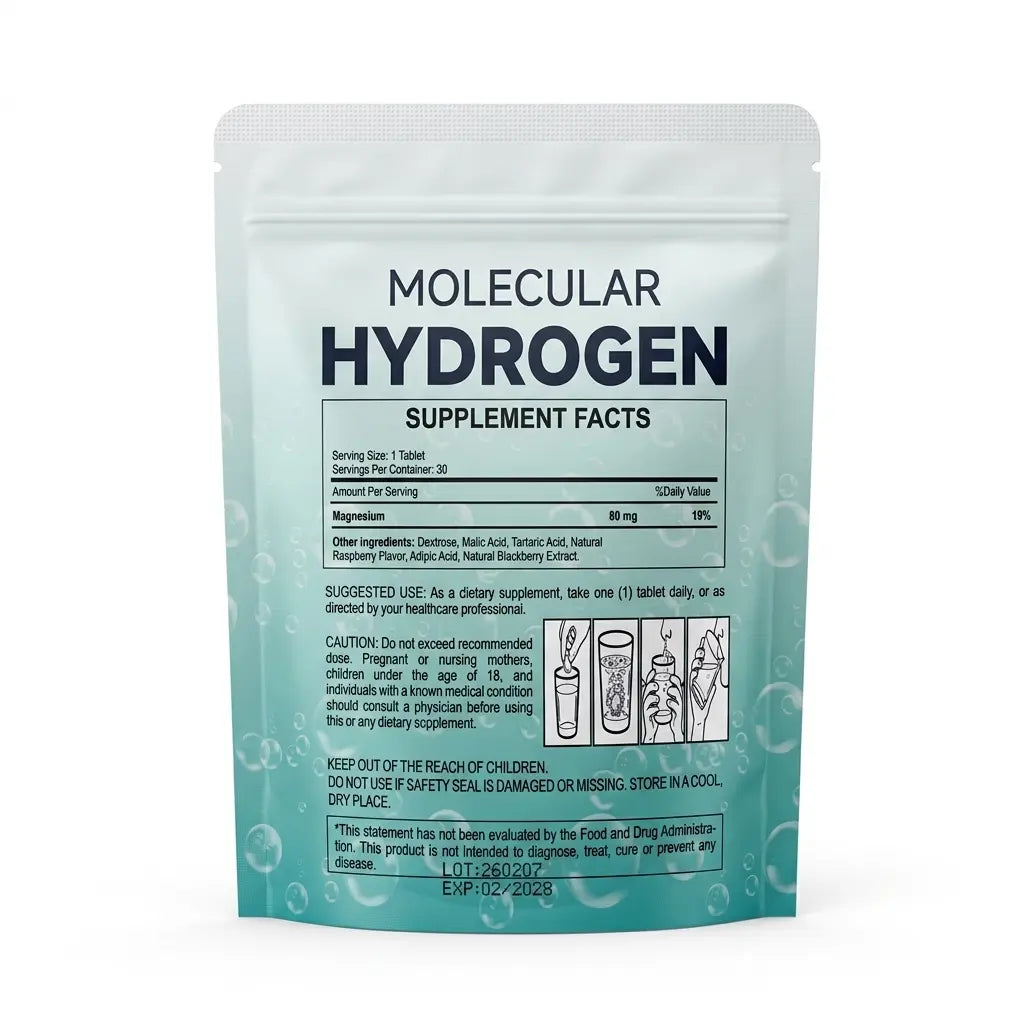
Simply drop one tablet into a glass of open, cool water (about 12–16 oz). Wait for the tablet to completely dissolve and turn the water slightly cloudy with micro-bubbles. Drink the water immediately, ideally within 10 to 15 minutes, to ensure you receive the maximum concentration of dissolved hydrogen gas before it dissipates into the air.
Sources
- https://pubmed.ncbi.nlm.nih.gov/23031079/
- https://pubmed.ncbi.nlm.nih.gov/32662469/
- https://pubmed.ncbi.nlm.nih.gov/28474240/
- https://pubmed.ncbi.nlm.nih.gov/31251888/
Disclaimer: These statements have not been evaluated by the Food and Drug Administration. HALE products are not intended to diagnose, treat, cure, or prevent any disease. Always consult a qualified healthcare provider before starting any new supplement, especially if you have a medical condition or are taking medication.