The Smallest Molecule with the Greatest Potential
In the quest for longevity and peak physical performance, we often look toward complex compounds and exotic superfoods. However, some of the most profound support for our cellular health may come from the simplest element in existence: hydrogen. Specifically, molecular hydrogen (H2)—two hydrogen atoms bonded together—is gaining significant attention in the scientific community for its role in supporting metabolic health, cognitive function, and recovery.
As we age, our bodies face a constant barrage of oxidative stress and cellular fatigue. For many adults, the focus gradually shifts from simply 'staying fit' to keeping energy, clarity and recovery steady over the years. Research suggests that H2 may act as a unique signaling molecule, helping to balance the body’s internal environment without the heavy-handedness of traditional high-dose antioxidants. This article explores the multifaceted role of molecular hydrogen and how it may support your journey toward lasting vitality.
The Science of Selective Antioxidant Support
To understand why molecular hydrogen is unique, we must first look at how it interacts with oxidative stress. Oxidative stress occurs when there is an imbalance between free radicals (reactive oxygen species) and the body's ability to neutralize them. While some free radicals serve as important signaling molecules for repair and adaptation, others, like the hydroxyl radical, are highly destructive to DNA and cellular membranes.
Why Selectivity Matters
Unlike many traditional antioxidants that may neutralize all free radicals—potentially interfering with the body’s natural signaling processes—studies indicate that molecular hydrogen is a "selective" antioxidant. Research published in Nature Medicine suggests that H2 specifically targets the most cytotoxic (cell-damaging) radicals while leaving beneficial signaling radicals intact. This nuanced approach helps maintain cellular homeostasis, making HALE molecular hydrogen tablets a sophisticated tool for those looking to manage oxidative stress without disrupting the body's natural adaptations to exercise and environment.
Supporting Physical Performance and Recovery
For the active adult, recovery is often the bottleneck to progress. Whether you are a weekend warrior or a dedicated athlete, the inflammatory response and muscle fatigue following intense exertion can limit your consistency. Molecular hydrogen has shown promise in supporting the body's transition from exertion back to a state of rest.
Reducing Post-Exercise Soreness
Research involving athletes has suggested that drinking hydrogen-rich water may help reduce the buildup of blood lactate during heavy exercise and decrease muscle fatigue. By supporting the body's natural inflammatory response, H2 may help you bounce back faster from strenuous activities. Integrating hydrogen tablets into your post-workout routine is a straightforward way to prepare hydrogen-rich water without equipment.
Cognitive Clarity and Brain Health
One of the most significant challenges in nutritional science is the blood-brain barrier—a protective layer that prevents many beneficial compounds from reaching the brain. Because molecular hydrogen is the smallest molecule in the universe, it diffuses easily through cell membranes and across the blood-brain barrier.
Supporting Cognitive Function
Preliminary studies indicate that H2 may support cognitive health by mitigating oxidative stress within neural tissues. This is particularly relevant for those interested in long-term brain health and maintaining focus in a high-stress world. By supporting mitochondrial function within brain cells, molecular hydrogen may help maintain the mental energy required for complex tasks and daily cognitive demands.
Mitochondrial Function and Metabolic Balance
The mitochondria are the powerhouses of our cells, responsible for producing ATP (adenosine triphosphate), the energy currency of life. As we age, mitochondrial efficiency often declines, leading to feelings of sluggishness and metabolic shifts. Molecular hydrogen has been studied for its possible influence on pathways linked to mitochondrial health, including signalling proteins such as SIRT1 and the hormone ghrelin. This work is still early.
These pathways are closely linked to metabolism and longevity. By supporting the efficiency of energy production, H2 may help maintain a healthy metabolic rate and support the body's ability to process nutrients effectively. This metabolic support is a cornerstone of the longevity-focused lifestyle, ensuring that your cellular engines are running as cleanly as possible.
Incorporating Hydrogen into Your Daily Routine
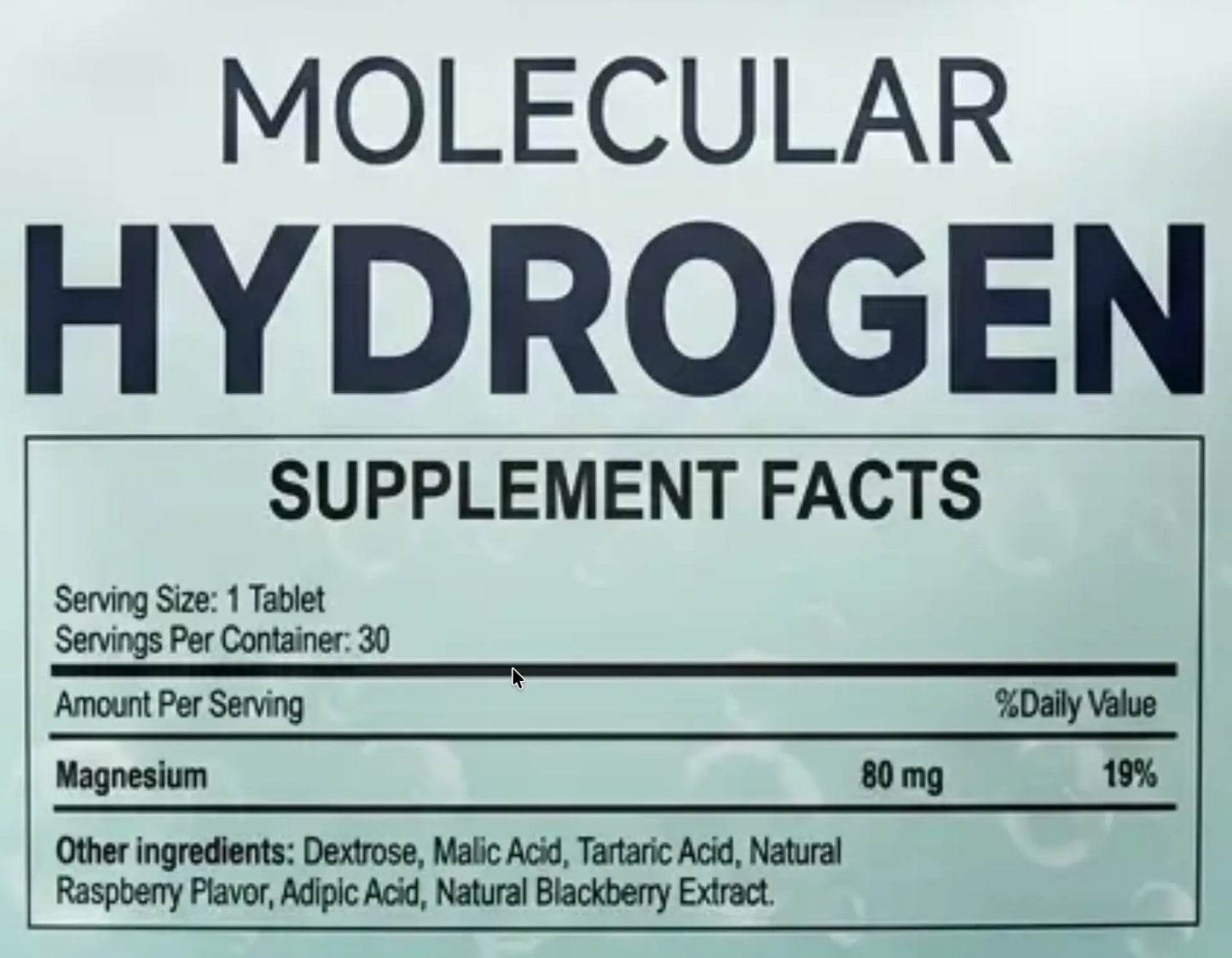
The beauty of molecular hydrogen lies in its safety and ease of use. While H2 can be inhaled or injected in clinical settings, the most practical and accessible method for daily use is through effervescent tablets. These tablets, when dropped into a glass of water, dissolve hydrogen gas into it ready for drinking.
For optimal results, many health-conscious individuals choose to take H2 tablets first thing in the morning on an empty stomach or immediately following an intense workout. This ensures that the H2 can quickly enter the bloodstream and begin its work at the cellular level. Because H2 is a gas that escapes back into the air, it is best to drink the water once the tablet has fully dissolved rather than letting the glass stand.
Frequently Asked Questions
Is molecular hydrogen safe for daily use?
Yes, molecular hydrogen has a very high safety profile. It is a naturally occurring gas in the human gut (produced by intestinal bacteria) and has been used in deep-sea diving gas mixes for decades without toxic effects. Research indicates no known side effects at the concentrations found in hydrogen-rich water.
How does H2 differ from alkaline water?
Alkaline water focuses on pH levels, whereas hydrogen-rich water focuses on the presence of dissolved H2 gas. While some alkaline ionizers produce small amounts of hydrogen, tablets are designed around dissolving H2 into the water at the point of use. It is the dissolved hydrogen, not the pH, that the research is about.
Can I take H2 tablets with other supplements?
Generally, yes. Molecular hydrogen does not typically interact with other supplements. In fact, because it helps manage oxidative stress, it may complement a well-rounded regimen of vitamins and minerals. However, it is always recommended to consult with a healthcare professional before starting any new supplement routine.
How long does it take to feel the effects?
The effects of molecular hydrogen can vary. Some individuals report improved energy and mental clarity within the first few days of use, while the benefits for recovery and metabolic health may be more cumulative, becoming more apparent after several weeks of consistent use.
Does the water need to be cold?
While H2 can be dissolved in room temperature water, cold water tends to hold the gas more effectively for a slightly longer duration. Regardless of temperature, the most important factor is consuming the water promptly after the tablet has dissolved.
Is there a specific time of day that is best?
Many users prefer taking molecular hydrogen in the morning to support energy and focus for the day ahead. Others find it most beneficial immediately following exercise to support the recovery process. Consistency is more important than the specific time of day.
Sources
- Ohsawa et al., Nature Medicine, 2007
- Six-month hydrogen-rich water intake in older adults, 2021
- Molecular hydrogen in middle-aged adults, 2018
- Hydrogen-rich water, muscle performance and lactate, 2022
Disclaimer: These statements have not been evaluated by the Food and Drug Administration. HALE products are not intended to diagnose, treat, cure, or prevent any disease. Always consult a qualified healthcare provider before starting any new supplement, especially if you have a medical condition or are taking medication.