You walk down the kitchen stairs a little more slowly than you used to, waiting for your knees and hips to loosen up before you put the kettle on. By mid-afternoon, you find yourself eyeing the recliner just to catch your breath after gardening or walking the dog. When you start researching simple ways to support your everyday energy and comfort, you quickly run into several confusing ways to take hydrogen water.
From pre-filled aluminum cans in specialty grocery stores to expensive electric countertop machines and effervescent tablets, the options feel overwhelming. Not all formats deliver the same experience or the same level of dissolved gas. Understanding how these delivery methods differ in real-world use can help you choose an option that genuinely supports your daily routine.
How Do the Different Hydrogen Formats Compare in Daily Life?
Molecular hydrogen is the smallest and lightest molecule in existence. Because of its tiny size, keeping it trapped inside water presents a unique physical challenge. The format you choose dictates not only convenience and cost, but also how much active hydrogen gas actually reaches your glass.
The three most common formats available today include:
- Ready-to-Drink Cans and Pouches: These come pre-packaged with hydrogen gas infused at a bottling plant. While convenient for grabbing on the go, hydrogen gas gradually escapes through can linings, bottle caps, and seams over weeks of transit and storage on warehouse shelves.
- Countertop Water Machines: These plug-in appliances use electrolysis to split water molecules, generating hydrogen at your sink. While they produce water on demand, quality units often cost several thousand dollars and require regular maintenance to prevent mineral buildup on the internal plates.
- Drop-In Effervescent Tablets: These compact tablets react directly with plain water in your glass to create fresh hydrogen gas on the spot. Because the reaction happens seconds before you take your first sip, the gas does not have time to seep through packaging during storage.
What Does Clinical Research Say About Delivery Formats?
When scientists examine how molecular hydrogen supports the body, the method of delivery matters. In a broad review evaluating the oral administration of hydrogen-rich water, researchers observed that drinking dissolved hydrogen offers a practical, non-invasive method for systemic absorption across clinical models (Meng et al., 2025).
The central factor highlighted in delivery studies is dissolved concentration. Hydrogen gas dissipates quickly into the surrounding air once exposed. In a randomized controlled trial evaluating vascular health, researchers found that water containing over 7 ppm of dissolved hydrogen significantly supported peripheral endothelial function in human participants (Ishibashi et al., 2020). That study highlights why concentration at the exact moment of consumption plays such a vital role. Pre-packaged waters often struggle to retain meaningful concentrations by the time you unscrew the cap at home.
What Does the Evidence Show for Adults Over 60?
For adults entering retirement, the goal of drinking hydrogen water is rarely about athletic records. Instead, the focus is on waking up with easier mobility, maintaining a clear head through the afternoon, and supporting long-term cellular balance. If you find yourself asking if drinking hydrogen water is worth it for adults over 60, the published data offers promising insights.
In a six-month randomized controlled trial involving adults aged 70 and older, participants drinking hydrogen-rich water showed meaningful improvements in several key biomarkers of aging (Zanini et al., 2021). The researchers noted positive shifts in cellular health and functional mobility over time. This longer timeframe shows that consistency and fresh daily intake matter far more than quick fixes.
Where Are the Clear Limits in the Research?
Being an informed consumer also means understanding what hydrogen water does not do. It is not an artificial stimulant, and it does not act like a sudden jolt of caffeine. In a randomized controlled trial testing athletic performance, pre-exercise hydrogen-rich water did not improve running performance in healthy runners (Valenta et al., 2022).
Hydrogen water does not replace regular hydration, good nutrition, or restful sleep. Rather than forcing your body into an artificial state of stimulation, dissolved hydrogen works quietly at the cellular level to help manage daily oxidative stress. If you frequently wonder why you wake up feeling stiff and tired, setting realistic expectations is the best place to start.
A Fresh, Practical Approach: HALE Hydrogen Tablets
Because freshly generated gas avoids the storage loss seen in canned drinks, effervescent tablets have become a favored format for home routines. HALE Molecular Hydrogen Tablets are formulated around a simple philosophy: Six Ingredients. All From Food.
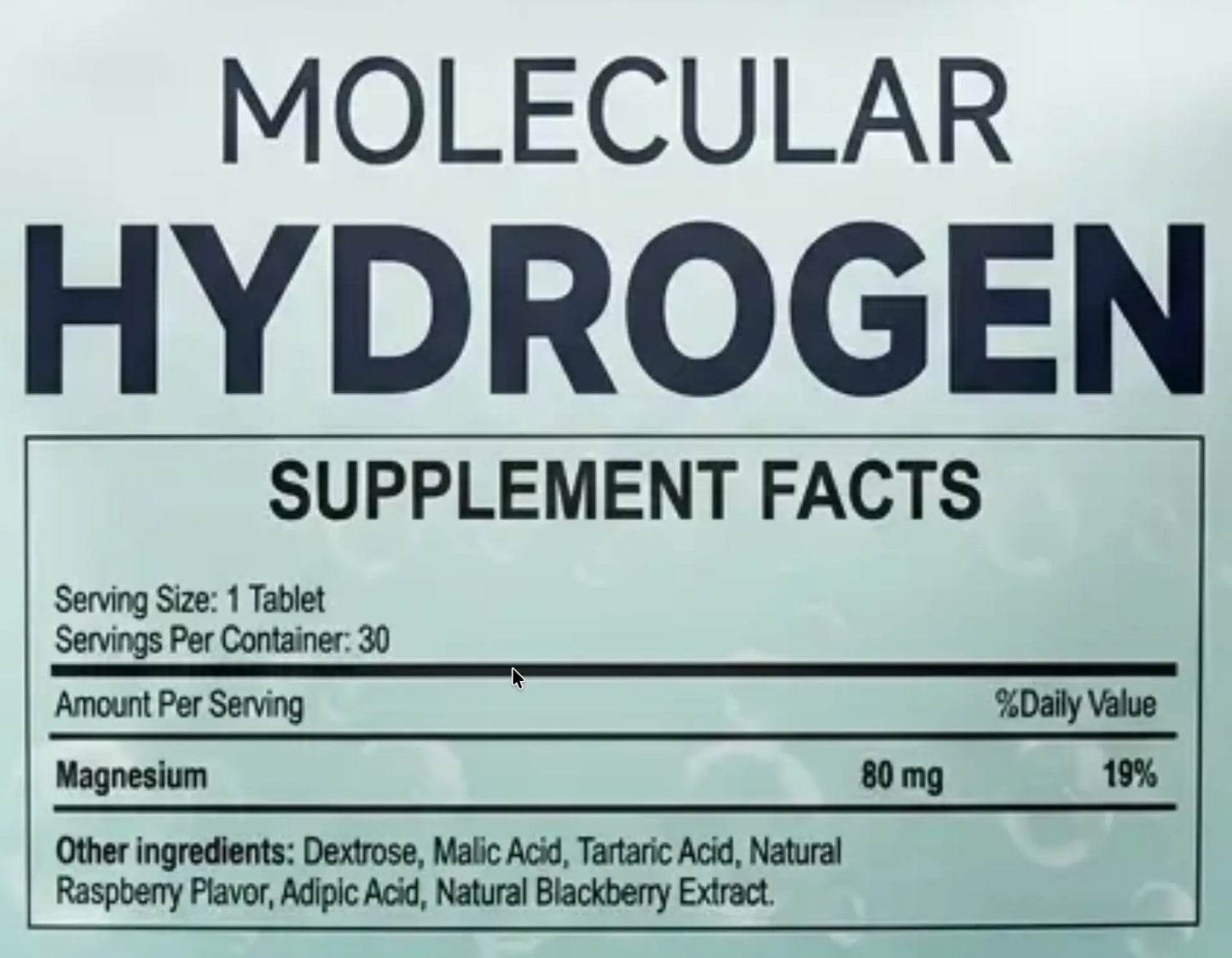
Every tablet combines elemental magnesium (80mg, providing 19% of your daily value, much like you would find in leafy spinach), malic acid from apples, tartaric acid from grapes, non-GMO dextrose as a binder, adipic acid from beets, and natural berry flavor. The pouch states that each tablet generates 12 PPM of hydrogen during dissolution, ensuring a rich concentration right in your drinking glass.
Incorporating HALE into your morning is straightforward. Always dissolve the tablet completely in 8-12 oz of water before drinking. Never swallow the tablet whole or chew it. Wait until fizzing stops before drinking. The tablet takes 3 to 4 minutes to dissolve completely. With one tablet per day, a 30-tablet pouch lasts a full month. Every order includes a 90-day money-back guarantee, allowing you to try it completely risk-free while keeping the pouch if you decide it is not right for you.
Frequently Asked Questions
How do hydrogen tablets differ from ready-to-drink cans?
Hydrogen tablets generate fresh hydrogen gas directly inside your glass right before you drink. Pre-packaged cans or pouches are infused weeks or months earlier at an industrial bottling plant. Because hydrogen is the smallest molecule in the universe, it gradually escapes through container seals during storage, reducing its concentration before you open it.
How long does a hydrogen tablet take to dissolve?
A hydrogen tablet takes 3 to 4 minutes to dissolve completely in 8 to 12 ounces of room-temperature plain water. You should always wait until the effervescent bubbling finishes entirely before drinking your glass. This brief dissolution process ensures the tablet has reacted properly to create fresh molecular hydrogen in the water.
Can I chew or swallow the tablet like a normal pill?
No, you should never chew or swallow a hydrogen tablet directly. The tablet is formulated to react with a full glass of water, releasing hydrogen gas into the liquid. Always drop the tablet into 8 to 12 ounces of plain water and allow it to finish dissolving completely before you begin drinking.
How many tablets should I drink each day?
The standard suggested routine is one tablet per day, dissolved completely in 8 to 12 ounces of plain water. One pouch contains 30 tablets, providing a full 30-day supply. Consistently enjoying your single glass each morning is the simplest way to establish a steady daily routine for your cellular wellness.
Disclaimer: These statements have not been evaluated by the Food and Drug Administration. HALE products are not intended to diagnose, treat, cure, or prevent any disease. Always consult a qualified healthcare provider before starting any new supplement, especially if you have a medical condition or are taking medication.