You wake up, swing your feet over the edge of the bed, and wait a moment for your knees and lower back to catch up. By the time you reach the kitchen, you are already wondering how much coffee it will take to shake off the morning haze. If your mornings feel heavier than they used to, you are not imagining it—and you are certainly not alone.
Why Do Mornings Feel Harder as We Age?
When you were thirty, rolling out of bed and heading straight out the door felt effortless. In your sixties, the first hour of the day tells a very different story. Your joints feel stiff, your head feels a bit cloudy, and your body takes longer to shift into gear.
A major reason for this slow start is overnight cellular stress. While you sleep, your cells work hard to maintain basic functions, producing normal metabolic byproducts called free radicals. In youth, your natural antioxidant systems clear these byproducts quickly. As the decades pass, however, that natural cleanup crew slows down. The result is an imbalance known as oxidative stress, which leaves tissues feeling tight and energy sluggish right when your feet hit the floor.
Many people reach for a second or third mug of coffee to force alertness. But caffeine only masks fatigue by blocking sleep signals in the brain; it does not help your cells handle morning oxidative stress or restore normal balance.
What Does the Science Say About Molecular Hydrogen in the Morning?
In recent years, researchers have looked at whether dissolved molecular hydrogen (H2) gas can help the body maintain its natural balance. Unlike traditional antioxidants like vitamin C or vitamin E, hydrogen is the smallest molecule in the universe. Its size allows it to move easily through cellular membranes.
The foundational discovery came in a landmark laboratory study published in Nature Medicine (Ohsawa et al., 2007). Researchers observed that dissolved molecular hydrogen acts selectively: it neutralizes the most harmful free radicals without wiping out the mild reactive species your body needs for regular cellular signaling. This gentle, targeted approach helps preserve your cells' natural equilibrium.
For older adults specifically, long-term research offers encouraging insights. In a randomized controlled trial published in Experimental Gerontology (Zanini et al., 2021), researchers followed men and women aged 70 and over who drank hydrogen-rich water daily for six months. The participants showed improvements in key biomarkers of aging and physical function compared to the placebo group. You can learn more about these findings in our science guide to healthy aging.
What Molecular Hydrogen Does Not Do: Realistic Expectations
Trustworthy science means looking at the limits as well as the benefits. Molecular hydrogen is not a magic cure, nor is it a stimulant. If you expect a single glass of hydrogen water to give you an instant rush of artificial energy, you will be disappointed.
For instance, a randomized controlled trial evaluated whether drinking hydrogen-rich water right before intense exercise improved running performance in athletes (Valenta et al., 2022). The study found no acute improvement in running times. Hydrogen water does not artificially boost physical output like a pre-workout drink. Instead, its role is quiet and supportive: helping your body manage daily cellular wear and tear so you can wake up ready to move comfortably. For additional insights on physical comfort, see our review on joint comfort and mobility.
How to Build a Smarter Morning Routine
Creating a revitalizing morning routine after 60 does not require an elaborate schedule. Simple, consistent habits provide the strongest foundation for feeling like yourself again:
- Hydrate immediately: Drink 8 to 12 ounces of fresh water right after getting out of bed to replenish fluids lost overnight.
- Add molecular hydrogen: Dissolving a hydrogen tablet into your first morning glass provides cellular antioxidant support when your body needs it most.
- Get natural daylight: Spend five to ten minutes near a window or outdoors on the porch. Natural light sets your circadian clock, signaling your brain to clear morning grogginess.
- Gentle stretching: Spend two minutes rolling your shoulders and gently bending your knees before diving into daily chores.
A Simple Morning Step with HALE Molecular Hydrogen
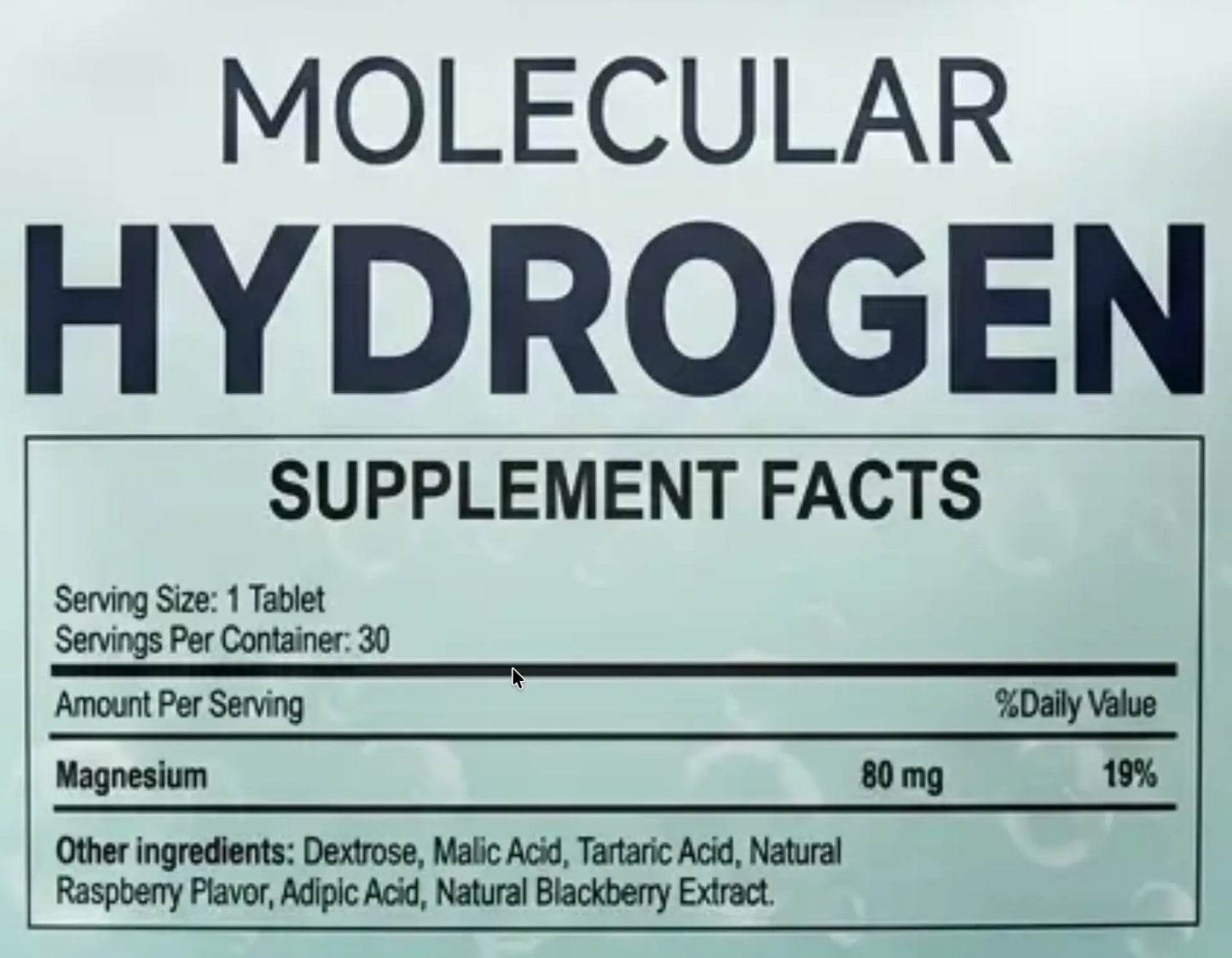
If you want to incorporate hydrogen water into your daily breakfast habit, HALE Molecular Hydrogen Tablets offer a straightforward, mess-free approach. HALE is built on the philosophy of "Six Ingredients. All From Food." It contains magnesium (80mg per tablet, or 19% daily value, derived as found in spinach), malic acid from apples, tartaric acid from grapes, dextrose as a non-GMO binder, adipic acid from beets, and natural berry flavor.
Each pouch contains 30 tablets—a complete 30-day supply at one tablet per day. The pouch states that each tablet generates 12 PPM of hydrogen during the reaction. Dropping one tablet into your morning glass gives you an easy, refreshing drink that works alongside your breakfast.
Always dissolve the tablet completely in 8-12 oz of water before drinking. Never swallow the tablet whole or chew it. Wait until fizzing stops before drinking. The tablet takes 3 to 4 minutes to dissolve completely in plain, room-temperature water.
Trying HALE is completely risk-free. Every order comes with a 90-day money-back guarantee with a full refund, and you keep the pouch even if you decide it is not for you. A single pouch is $44 as a one-time purchase, or $33 when you choose Subscribe & Save (a 25% savings), with free shipping across the 48 contiguous US states.
Frequently Asked Questions
When is the best time in the morning to drink hydrogen water?
The best time is right after waking up, before breakfast or your morning coffee. Drinking hydrogen water on an empty stomach helps replenish hydration lost overnight and delivers cellular support when your body is preparing for the day ahead.
How long does it take for a HALE tablet to dissolve?
A HALE tablet takes 3 to 4 minutes to dissolve completely in 8 to 12 ounces of room-temperature water. You should always wait until the fizzing has finished before drinking so the hydrogen gas is properly infused into the water.
Will drinking hydrogen water give me sudden jittery energy?
No. Molecular hydrogen contains no caffeine, sugar, or stimulants. It does not produce a sudden spike or crash. Instead, it supports your cells' natural energy production quietly, helping you maintain steady vitality and feel like yourself throughout the day.
Can I dissolve the tablet in hot coffee or tea?
No, you should only dissolve HALE tablets in plain, cool or room-temperature water. Hot liquids cause the dissolved hydrogen gas to escape rapidly into the air before you can drink it, significantly reducing the tablet's effectiveness.
Disclaimer: These statements have not been evaluated by the Food and Drug Administration. HALE products are not intended to diagnose, treat, cure, or prevent any disease. Always consult a qualified healthcare provider before starting any new supplement, especially if you have a medical condition or are taking medication.