In today's fast-paced world, daily stress has become an almost unavoidable companion. Between demanding work schedules, family commitments, continuous digital notifications, and environmental pressures, our bodies are constantly adapting to micro-stressors throughout the day. While short bursts of stress are a normal and adaptive human biological response, exposure to daily, unmanaged tension can gradually erode our physical energy, focus, and long-term vitality.
When we experience stress, the body initiates a cascade of physiological responses. While much attention is given to hormones like cortisol and adrenaline, a significant portion of the physiological burden of stress occurs at the microscopic level: within our cells. Emerging biomedical research suggests that molecular hydrogen (H2)—the smallest molecule in the universe—may offer a novel, science-backed approach to supporting the body's natural adaptive response to daily physical and environmental stress.
The Biological Connection Between Daily Stress and Cellular Health
To understand how molecular hydrogen may support your daily resilience, it helps to examine what happens inside your cells when life demands extra output. When your nervous system senses tension, it signals the mitochondria—the microscopic powerhouses responsible for generating cellular energy (ATP)—to increase production. While this reaction provides the immediate energy needed to tackle a busy afternoon, it also creates an unintended byproduct: reactive oxygen species (ROS), commonly known as free radicals.
In balanced conditions, your body’s endogenous antioxidant defense system neutralizes these free radicals easily. However, during periods of heightened daily demand, free radical production can outpace your natural defenses. This imbalance leads to a state known as oxidative stress.
How Oxidative Stress Feeds Into Daily Fatigue
Oxidative stress does not remain isolated within a single tissue; it impacts cellular structures, lipid membranes, and mitochondrial efficiency across the body. Over time, excessive oxidative stress can leave you feeling drained, mentally foggy, and slow to recover from daily physical efforts. Supporting cellular health by maintaining oxidative balance is therefore a foundational element of sustained daily resilience.
This is where researchers have taken a keen interest in molecular hydrogen. Unlike conventional antioxidants, H2 possesses unique physical and biological attributes that make it uniquely suited to navigate cellular membranes and support balance from within.
Selective Anti-Oxidation: The Molecular Hydrogen Advantage
For decades, health enthusiasts relied on high doses of standard antioxidants like Vitamin C and Vitamin E to combat cellular stress. However, large-scale studies revealed a complex truth: sweeping, non-selective elimination of free radicals can actually interfere with essential cellular signaling. Some reactive oxygen species, such as nitric oxide and hydrogen peroxide, act as critical messenger molecules that tell your body how to adapt, rebuild, and strengthen.
Molecular hydrogen operates through a mechanism known as selective anti-oxidation. Research indicates that molecular hydrogen selectively targets and neutralizes only the most damaging radicals, particularly hydroxyl radicals (.OH), while leaving essential signaling ROS intact.
Rapid Cellular Diffusion
Because molecular hydrogen is neutral and extremely tiny, it diffuses rapidly across cell membranes, effortlessly crossing biological barriers—including the blood-brain barrier—that restrict larger compounds. This unparalleled bioavailability allows H2 to penetrate deep into cellular compartments like the mitochondria and nucleus, where stress-induced oxidative damage typically begins.
By neutralizing toxic radicals directly at the source of production, utilizing hydrogen tablets dissolved in water provides a convenient way to deliver high-concentration H2 directly to your body's systems, helping maintain optimal cellular function during demanding days.
Supporting Autonomic Balance and Cognitive Resilience
Your body’s response to daily challenges is largely governed by the autonomic nervous system, which balances the sympathetic ("fight or flight") and parasympathetic ("rest and digest") branches. When daily demands pile up, the sympathetic nervous system can dominate, leading to physical tension, impaired focus, and a feeling of being perpetually overwhelmed.
Preliminary scientific studies suggest that molecular hydrogen may help support autonomic nervous system balance. By mitigating oxidative stress within neural tissues, H2 research points toward potential benefits in supporting mood stability, calm focus, and cognitive endurance during stressful tasks.
When your brain is shielded from excessive cellular stress, maintaining mental clarity becomes significantly easier. In fact, exploring how molecular hydrogen may support mental clarity highlights how optimized cellular environments directly contribute to sharper cognitive function and sustained afternoon focus.
At HALE, our scientific approach prioritizes clear, evidence-based research into how molecular gas therapies interact with human physiology. As part of our editorial process, we continuously review emerging peer-reviewed trials to ensure our insights reflect the latest understanding in cellular biology.
Stress, Cortisol, and Sleep: Breaking the Vicious Cycle
One of the most challenging aspects of daily stress is its ability to disrupt nighttime rest. When daytime demands trigger persistent stress signals, evening cortisol levels may remain elevated, making it difficult for the body to transition into restorative deep sleep. Conversely, poor sleep leaves your cells more vulnerable to oxidative stress the following morning, creating an exhausting cycle.
Molecular hydrogen may play a valuable supporting role in breaking this pattern. By encouraging cellular balance during daytime activity, H2 helps protect tissues against the physiological cumulative strain that often spills over into the evening hours.
Supporting your body's recovery pathways during the day creates a foundation for smoother nighttime winding down. Studies evaluating H2 intake suggest that maintaining low systemic oxidative stress is closely aligned with supporting sleep quality and nighttime restorative processes, allowing you to wake up feeling genuinely recharged.
Activating Nrf2: Supporting Your Endogenous Defenses
Beyond acting as a direct selective scavenger of hydroxyl radicals, molecular hydrogen works through secondary cell-signaling pathways to boost your body's built-in defenses. Chief among these is the Nrf2 (Nuclear Factor Erythroid 2-Related Factor 2) pathway.
Nrf2 is often described as the master regulator of the body's antioxidant response. When activated, Nrf2 signals the cell to produce its own powerful antioxidant enzymes, including:
- Glutathione peroxidase: A primary defender against internal cellular peroxide accumulation.
- Superoxide dismutase (SOD): An enzyme that breaks down potentially harmful superoxide radicals.
- Catalase: An enzyme that converts hydrogen peroxide into harmless water and oxygen.
By upregulation of the Nrf2 pathway, molecular hydrogen does not simply replace your body's defenses—it empowers your cells to protect themselves more effectively. This long-term upregulation helps build biological resilience against both immediate and future daily stressors.
Practical Steps to Integrate Molecular Hydrogen into Your Daily Routine
Building stress resilience requires a holistic lifestyle approach that combines balanced nutrition, movement, mindfulness, and smart supplementation. Incorporating high-concentration molecular hydrogen into your everyday habits is simple, effective, and takes just a few minutes.
1. Start Your Morning with Cellular Hydration
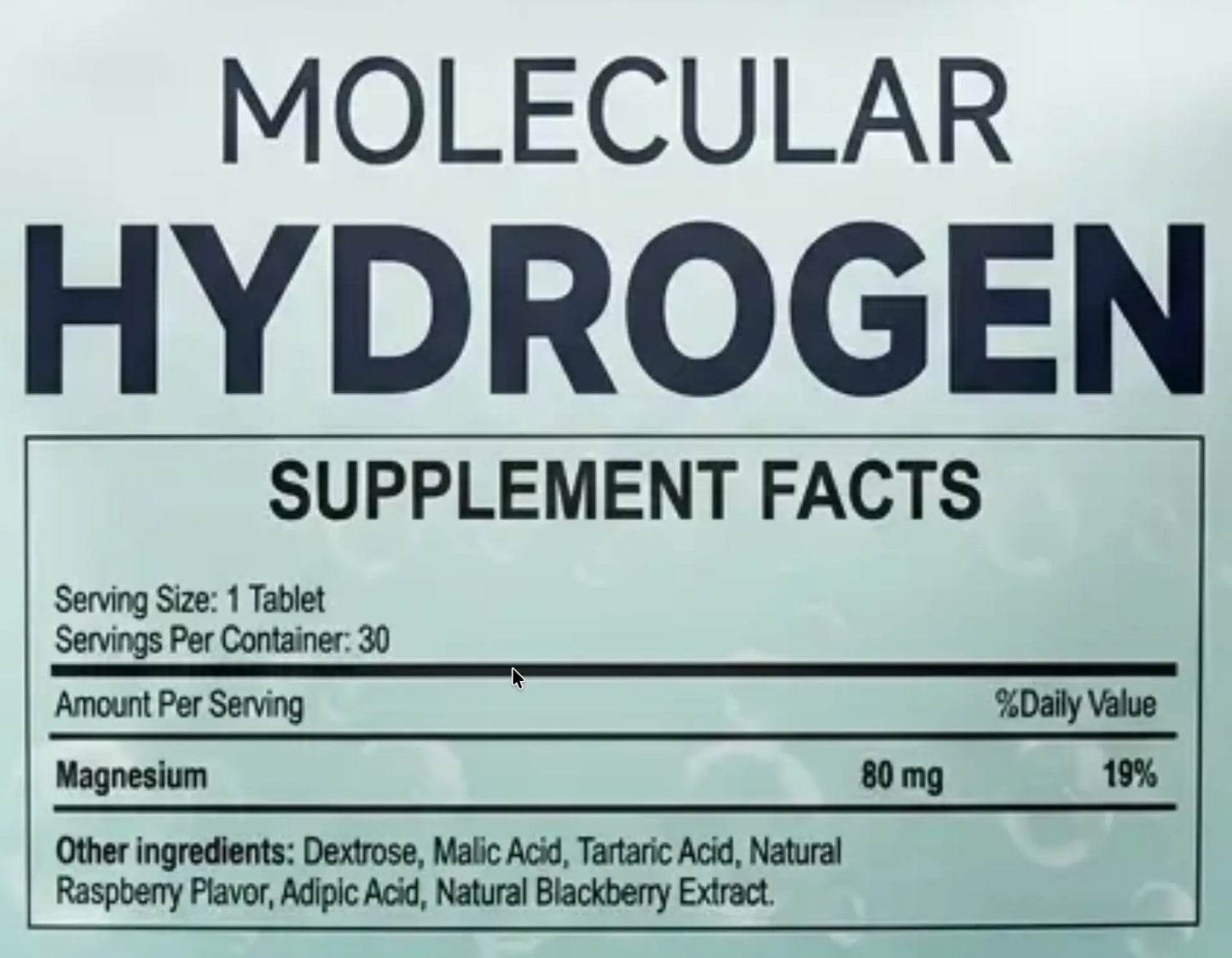
Dropping HALE molecular hydrogen tablets into a glass of room-temperature water first thing in the morning gives your body a clean, refreshing start. Drinking H2-rich water on an empty stomach allows for fast gastric absorption and rapid systemic delivery before your daily obligations begin.
2. Mid-Afternoon Reset
When the 2:00 PM slump hits and stress levels tend to peak, consider reaching for a fresh glass of hydrogen water instead of an extra cup of coffee. While caffeine accelerates central nervous system stimulation—which can sometimes exacerbate feelings of jitteriness—dissolving H2 tablets in water provides cellular support without altering heart rate or disrupting your evening sleep schedule.
3. Pair with Core Wellness Practices
Molecular hydrogen works synergistically alongside other proven stress management strategies. For optimal wellness outcomes, consider combining H2 supplementation with:
- Breathwork & Meditation: 5 to 10 minutes of slow abdominal breathing downregulates the sympathetic nervous system.
- Daily Light Movement: Walking outdoors improves circulation and supports endogenous endorphin release.
- Consistent Sleep Hygiene: Maintaining regular bedtimes amplifies the body's restorative windows.
To learn more about our approach to science and how we formulate high-density hydrogen delivery systems, explore our background in molecular wellness technology.
Frequently Asked Questions
How quickly does molecular hydrogen work in the body?
Once dissolved in water and ingested, molecular hydrogen is rapidly absorbed through the stomach and gut lining, reaching peak systemic concentrations within 15 to 30 minutes. While immediate biological effects like selective radical scavenging occur quickly, cumulative benefits for stress resilience typically build over several weeks of consistent daily use.
Can molecular hydrogen replace my current stress management techniques?
No. Molecular hydrogen is designed to support cellular health and physiological resilience, not replace fundamental lifestyle practices. It works best when used alongside healthy nutrition, adequate sleep, regular physical activity, and stress-reduction techniques like mindfulness or breathwork.
Does molecular hydrogen contain any stimulants or cause jitteriness?
No. Molecular hydrogen is non-stimulatory and completely caffeine-free. It supports energy at the mitochondrial level without activating adrenergic signaling pathways, meaning it will not cause jitters, elevated heart rate, or energy crashes.
Is it safe to consume molecular hydrogen daily?
Yes. Extensive research across hundreds of peer-reviewed studies has demonstrated an exceptional safety profile for molecular hydrogen. When H2 neutralizes a harmful hydroxyl radical, the byproduct of the reaction is simply pure water (H2O), leaving behind zero toxic residues.
When is the best time of day to take molecular hydrogen tablets?
HALE is taken once a day, typically first thing in the morning. One tablet, 8-12 oz of plain water.
Sources
- Ohsawa et al., Nature Medicine, 2007
- Hydrogen-rich water, mood and autonomic function, 2017
- Hydrogen-rich water and inflammatory response in healthy adults, 2020
Disclaimer: These statements have not been evaluated by the Food and Drug Administration. HALE products are not intended to diagnose, treat, cure, or prevent any disease. Always consult a qualified healthcare provider before starting any new supplement, especially if you have a medical condition or are taking medication.