As we navigate our 30s, 40s, and 50s, our skin reflects both our internal health and our external environment. The daily onslaught of ultraviolet (UV) radiation, urban pollution, and natural chronological aging can leave the skin looking tired, dull, and prematurely aged. While topical serums and moisturizers play a vital role in surface-level protection, true skin vitality begins deeper—at the cellular level. This is where molecular hydrogen (H2), a tiny yet powerful gas, is capturing the attention of longevity and wellness enthusiasts.
Emerging research suggests that molecular hydrogen may support skin health by acting as a selective antioxidant and promoting cellular resilience. By addressing oxidative stress from the inside out, this novel molecule offers a promising, science-backed approach to maintaining a radiant, healthy complexion. In this article, we will explore how molecular hydrogen works to support your skin's natural defenses and vitality.
The Cellular Science of Skin Aging and Oxidative Stress
To understand how molecular hydrogen supports the skin, we must first look at the primary driver of premature aging: oxidative stress. Our skin is constantly exposed to reactive oxygen species (ROS), which are unstable molecules generated by UV light, stress, and normal metabolic processes. When ROS outnumber our body's natural antioxidant defenses, they damage essential cellular structures, including lipids, proteins, and DNA.
What is Oxidative Stress in Skin?
Oxidative stress accelerates the breakdown of collagen and impairs the skin's ability to repair itself. Over time, this cellular damage manifests as fine lines, loss of elasticity, and uneven skin tone. Traditional antioxidants like Vitamin C and E are widely used to combat this process, but they face a physical limitation: their molecular size makes it difficult for them to penetrate deep into the cells where the damage occurs.
The Selective Antioxidant Advantage
Molecular hydrogen is the smallest molecule in existence. Because of its microscopic size, it easily diffuses through cellular membranes, entering the mitochondria and nucleus where critical cellular processes take place. Furthermore, research indicates that H2 acts as a selective antioxidant. Unlike broad-spectrum antioxidants that may neutralize beneficial free radicals needed for cellular signaling, molecular hydrogen specifically targets the most harmful free radicals, such as the cytotoxic hydroxyl radical. For a deeper dive into this biological mechanism, you can read more about Molecular Hydrogen and Skin Vitality: Exploring the Science.
Deep Hydration at the Cellular Level
Healthy, glowing skin relies heavily on proper hydration. However, skin hydration is more than just drinking water; it is about how effectively your cells retain that moisture. As we age, the skin's natural barrier can weaken, leading to increased transepidermal water loss (TEWL).
Beyond Surface-Level Moisturizers
While topical creams create a temporary barrier to lock in moisture, molecular hydrogen may support cellular hydration from within. When H2 neutralizes harmful free radicals, the byproduct of this reaction is simple, pure water (H2O) inside the cells. This unique biological mechanism means that drinking hydrogen-rich water actually helps hydrate your body at a fundamental, cellular level.
Supporting the Skin's Natural Barrier
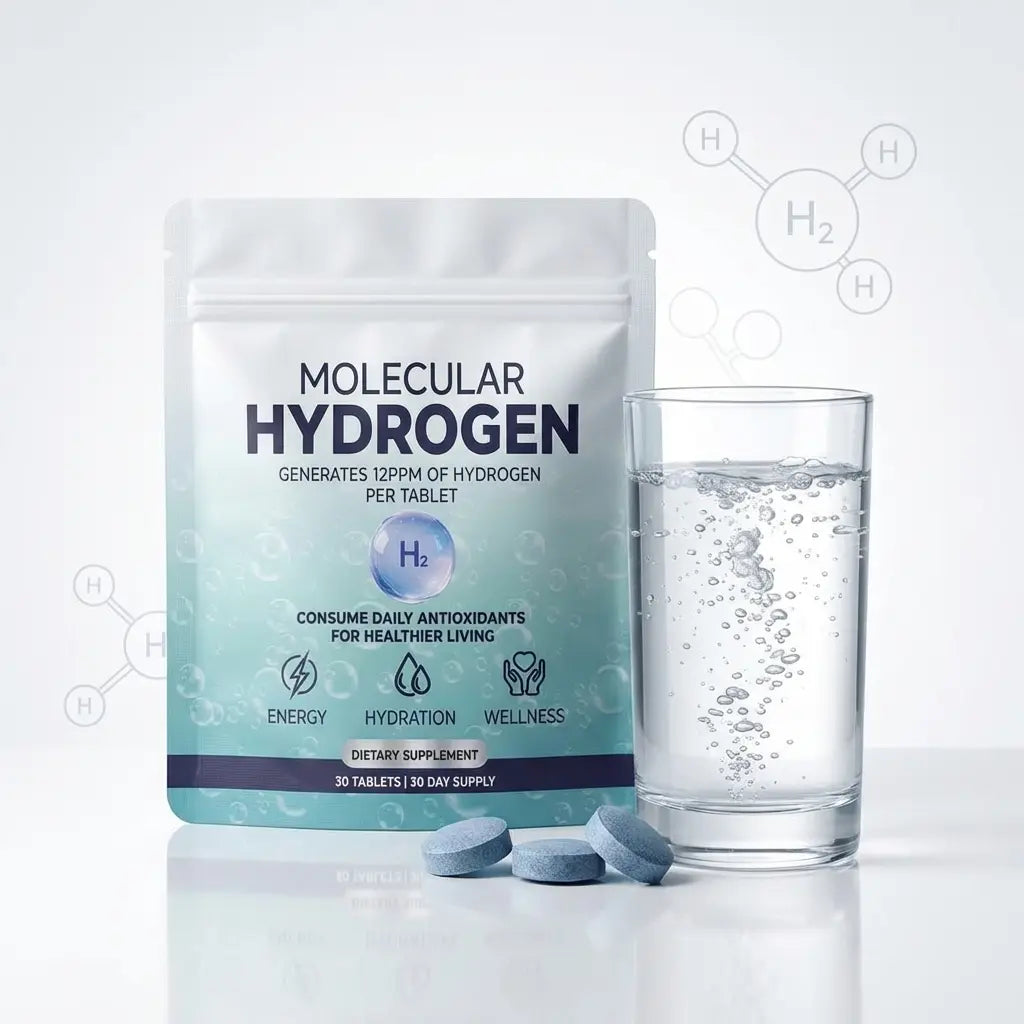
By reducing oxidative stress within the skin cells, molecular hydrogen helps maintain the integrity of the cellular membrane. A strong, healthy cell membrane is better equipped to retain moisture and keep environmental irritants out. Utilizing high-quality hydrogen tablets is an easy, daily method to supply your body with the molecular hydrogen needed to support this internal hydration pathway, helping your skin maintain its natural plumpness and resilience.
Supporting Collagen Integrity and Longevity
Collagen and elastin are the structural proteins that give skin its firmness, bounce, and youthful structure. Starting in our late 20s, collagen production naturally declines, and existing collagen fibers become degraded by environmental factors and chronological aging.
The Role of Collagen and Elastin
When collagen fibers are damaged by oxidative stress, the skin loses its structural support, leading to sagging and wrinkles. Protecting existing collagen from degradation is just as important as supporting new collagen synthesis. This is where the cellular protective properties of molecular hydrogen become highly relevant for healthy aging.
How H2 May Support Cellular Longevity
Studies suggest that molecular hydrogen may help protect fibroblasts—the cells responsible for producing collagen—from oxidative damage. By maintaining a healthy, low-stress environment for these cells, H2 supports their long-term function and vitality. This aligns closely with broader longevity research; indeed, learning How Molecular Hydrogen May Support Cellular Longevity reveals how protecting cellular integrity benefits not just the skin, but every tissue in the body.
Soothing Environmental and UV Stress
No matter how diligent we are with sunscreen, our skin still experiences daily UV exposure and environmental stress from pollution and blue light. This constant exposure triggers low-grade, chronic inflammatory cascades, sometimes referred to in longevity circles as 'inflammaging.'
Mitigating the Impact of Photoaging
Photoaging—the premature aging of the skin caused by repeated exposure to UV radiation—is characterized by deep wrinkles, rough texture, and pigmentary changes. Research indicates that molecular hydrogen may help modulate the inflammatory response triggered by UV exposure. By downregulating pro-inflammatory cytokines and protecting skin cells from UV-induced oxidative damage, H2 may support the skin's natural defense mechanisms against daily environmental stressors.
Promoting Natural Recovery Processes
When the skin is exposed to stressors, its primary goal is recovery. By providing a steady supply of selective antioxidants, molecular hydrogen supports the body's natural cellular recovery processes. This helps the skin bounce back more efficiently from daily environmental damage, preserving a brighter, more even complexion over time.
Practical Ways to Incorporate Molecular Hydrogen Into Your Routine
If you are interested in leveraging the benefits of molecular hydrogen for your skin, you might wonder about the most effective way to introduce it into your daily wellness regimen.
Drinking vs. Topical Application
Molecular hydrogen can be utilized both internally and externally. Drinking hydrogen-rich water delivers H2 systemically, allowing it to support cellular health from the inside out, benefiting the skin as well as internal organs. Some individuals also choose to apply hydrogen-rich water topically as a refreshing facial mist or soak, allowing the gas to diffuse directly into the outer layers of the epidermis.
The Convenience of Dissolvable Tablets
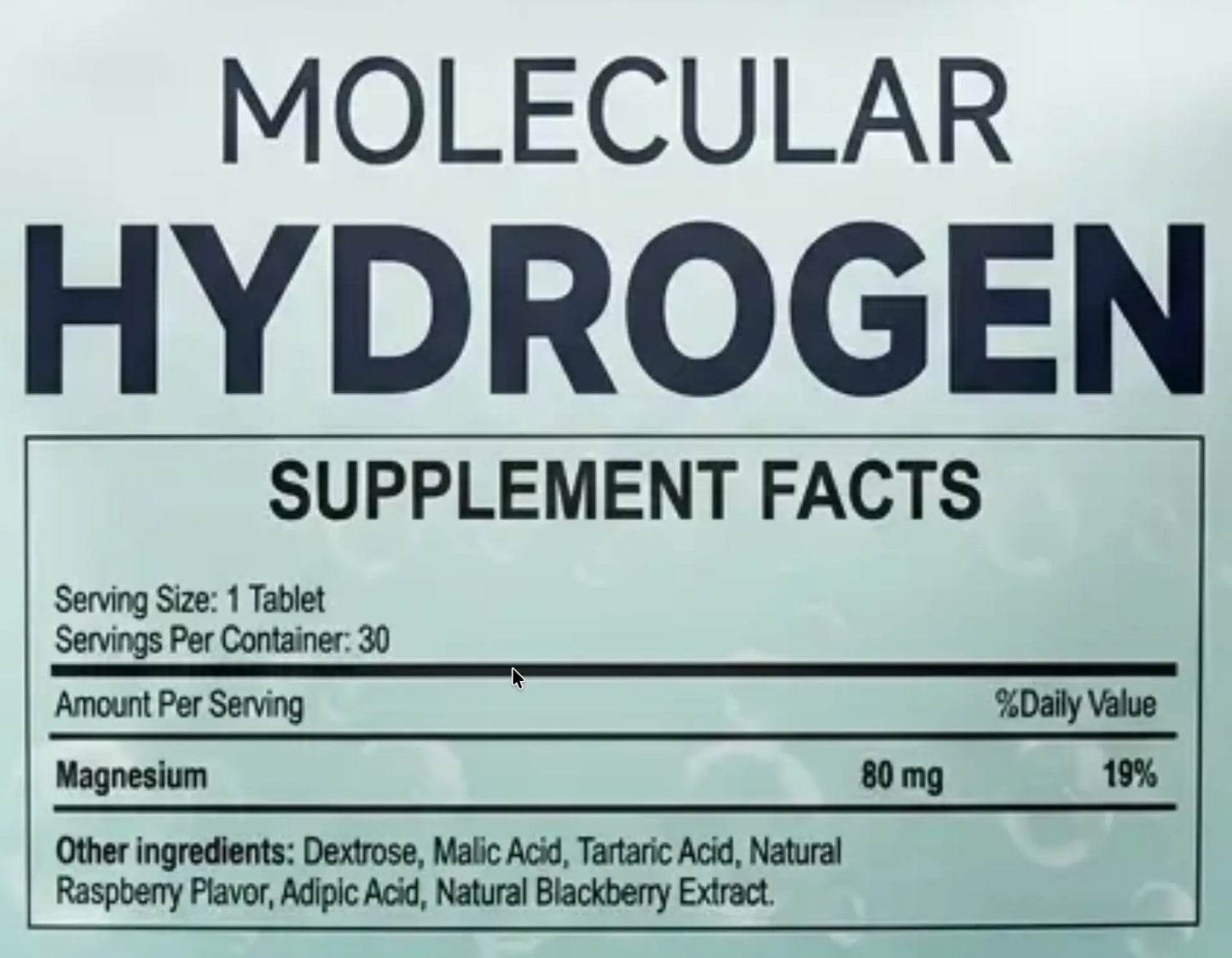
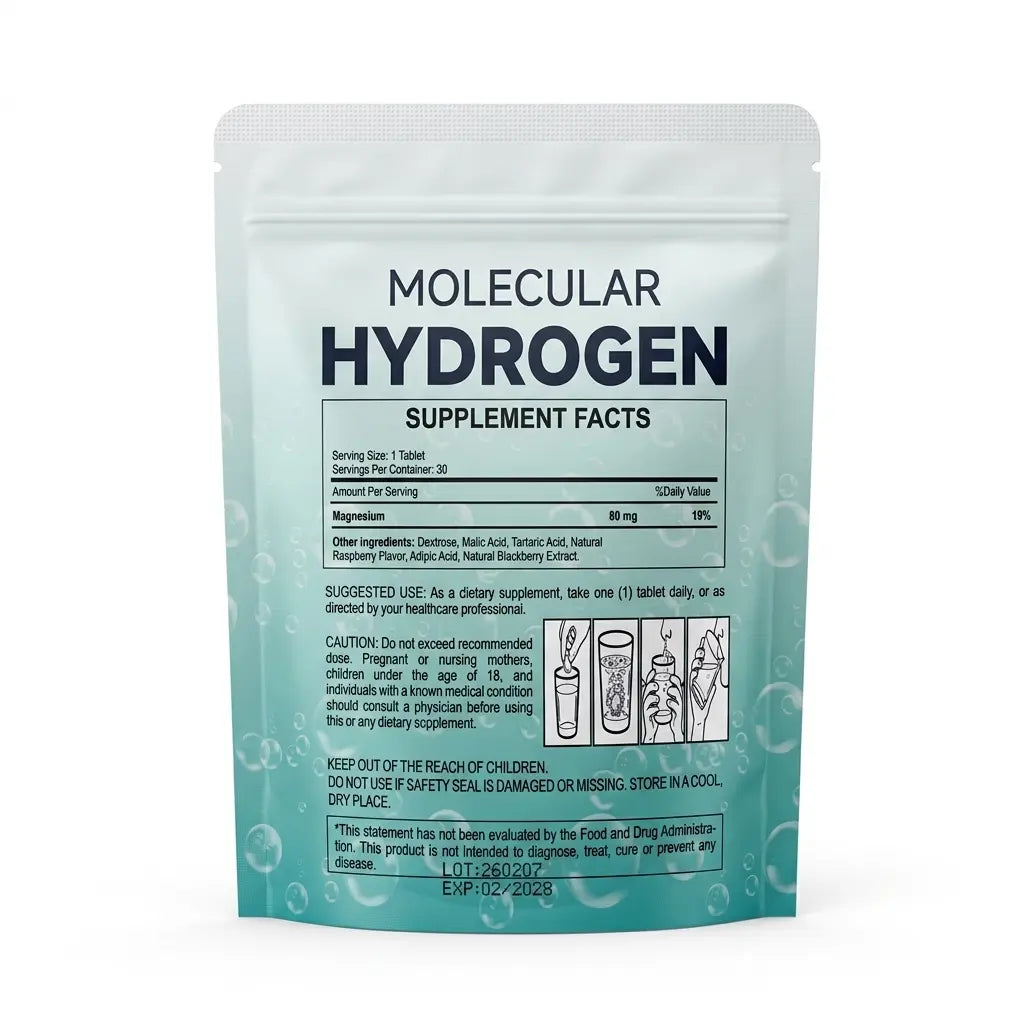
The most efficient and potent way to create hydrogen-rich water is by using dissolvable tablets. Simply dropping HALE molecular hydrogen tablets into a glass of water creates a highly concentrated, bioavailable serving of H2 gas in minutes. At HALE, we are committed to transparency and scientific integrity; you can learn more about HALE and our dedication to quality sourcing. Our content is thoroughly vetted to ensure accuracy, and you can read about our editorial process to see how we translate complex biochemical research into practical wellness guides.
Frequently Asked Questions
How does molecular hydrogen benefit the skin?
Molecular hydrogen acts as a highly penetrative, selective antioxidant. It specifically targets harmful free radicals (ROS) that cause oxidative stress, which is a primary driver of skin aging, collagen breakdown, and dullness. By neutralizing these free radicals, H2 supports cellular hydration, collagen integrity, and the skin's natural recovery processes.
Can I apply hydrogen water topically to my face?
Yes, molecular hydrogen can be applied topically. Because H2 is the smallest molecule, it can easily diffuse through the outer layers of the skin. Many people use freshly prepared hydrogen-rich water as a facial mist, toner, or soak to soothe environmental stress and support skin vitality directly.
How does molecular hydrogen compare to other antioxidants like Vitamin C?
While Vitamin C is an excellent antioxidant, it is a much larger molecule and cannot easily cross cellular membranes or enter the mitochondria. Molecular hydrogen is tiny enough to penetrate deep into the cells instantly. Additionally, H2 is a selective antioxidant, meaning it only neutralizes harmful free radicals without disrupting beneficial cellular signaling molecules.
Does molecular hydrogen help with dry skin?
Yes, molecular hydrogen may support cellular hydration. When H2 neutralizes harmful free radicals inside the cells, it produces water (H2O) as a natural byproduct. This helps hydrate the skin at a fundamental, cellular level, supporting the skin's natural moisture barrier and overall plumpness.
How often should I drink hydrogen water for skin benefits?
For optimal results, consistency is key. Many individuals incorporate one to two tablets of molecular hydrogen into their daily routine. Drinking it consistently helps maintain a steady defense against daily oxidative stress and supports long-term skin and cellular vitality.
Sources
- https://pubmed.ncbi.nlm.nih.gov/22070900/
- https://pubmed.ncbi.nlm.nih.gov/23031079/
- https://pubmed.ncbi.nlm.nih.gov/29452355/
Disclaimer: These statements have not been evaluated by the Food and Drug Administration. HALE products are not intended to diagnose, treat, cure, or prevent any disease. Always consult a qualified healthcare provider before starting any new supplement, especially if you have a medical condition or are taking medication.