The Pursuit of Radiant Skin: Beyond the Surface
For many of us, the quest for vibrant, healthy skin often leads to an array of topical serums, creams, and complex multi-step routines. However, modern science is increasingly pointing toward a more fundamental truth: true skin vitality begins at the cellular level. As we navigate the natural aging process, our skin faces a constant barrage of internal and external stressors—from UV radiation and environmental pollutants to the metabolic byproducts of our own cells. In recent years, molecular hydrogen (H2) has emerged as a fascinating area of research for those interested in longevity and cellular wellness. This tiny, powerful molecule may offer a unique way to support skin health from the inside out, helping to maintain a resilient and radiant appearance by addressing the very root of oxidative stress.
Understanding the Biology of Skin Aging
To appreciate how molecular hydrogen may support skin vitality, we must first understand what happens to our skin over time. Skin aging is a complex biological process influenced by both intrinsic factors (genetics and time) and extrinsic factors (lifestyle and environment). At the heart of this process is oxidative stress. Oxidative stress occurs when there is an imbalance between the production of reactive oxygen species (ROS)—often called free radicals—and the body’s ability to neutralize them with antioxidants.
When ROS accumulate in the skin, they can damage vital structural components like collagen and elastin. Collagen provides the skin with its firmness, while elastin allows it to snap back into place. As these proteins degrade, the skin may begin to show signs of fine lines, loss of elasticity, and a duller complexion. While the body has its own internal antioxidant systems, the sheer volume of environmental stressors in modern life can sometimes overwhelm these natural defenses.
The Role of “Inflammaging”
Researchers have coined the term “inflammaging” to describe the low-grade, chronic inflammation that often accompanies the aging process. In the skin, this can manifest as a breakdown of the skin barrier and a decreased ability to retain moisture. Supporting the body’s natural ability to manage this balance is a cornerstone of molecular hydrogen for healthy aging, as H2 research suggests it may help modulate the pathways involved in cellular stress.
Molecular Hydrogen: A Unique Selective Antioxidant
What sets molecular hydrogen apart from other antioxidants like Vitamin C or Vitamin E is its size and its selectivity. H2 is the smallest molecule in existence, consisting of just two hydrogen atoms. This diminutive size allows it to diffuse rapidly through cell membranes and reach organelles like the mitochondria—the “powerhouses” of the cell—where oxidative stress is often most concentrated.
Furthermore, research indicates that H2 acts as a selective antioxidant. While some free radicals actually serve important signaling functions in the body, others, like the hydroxyl radical, are highly reactive and damaging. Studies suggest that molecular hydrogen specifically targets these harmful radicals while leaving beneficial signaling molecules untouched. By learning more about molecular hydrogen and the science of selective antioxidants, we can see why H2 is becoming a staple for those focused on precise cellular support.
H2 and the Support of Collagen Integrity
One of the most exciting areas of research regarding skin vitality is the potential impact of molecular hydrogen on fibroblasts. Fibroblasts are the specialized cells in the dermis responsible for producing collagen. Preliminary studies have suggested that hydrogen-rich environments may support the viability of fibroblasts even when they are exposed to oxidative stress.
By potentially reducing the oxidative burden on these cells, HALE molecular hydrogen tablets may help maintain an environment conducive to healthy collagen synthesis. When fibroblasts are protected, they are better equipped to maintain the structural matrix of the skin, which is essential for a smooth, firm appearance. While more human clinical trials are needed to confirm long-term effects, the existing data provides a promising look at how H2 supports the fundamental building blocks of skin health.
Environmental Protection: UV and Pollution
Our skin is our first line of defense against the outside world. Ultraviolet (UV) radiation from the sun is perhaps the most significant external factor in skin aging, leading to what is known as photoaging. UV rays generate high levels of ROS in the skin, which can lead to DNA damage and the breakdown of the extracellular matrix. Similarly, urban pollution and particulate matter can trigger oxidative reactions on the skin’s surface.
Research into molecular hydrogen suggests it may support the skin’s natural resilience against these environmental stressors. Because H2 can be consumed systemically, it provides a layer of support that works from the blood vessels up to the skin’s surface. Integrating hydrogen tablets into a daily wellness routine may offer a convenient way to bolster the body’s internal defenses against the daily “weathering” our skin endures.
Practical Application: Internal Support for External Radiance
While topical treatments have their place, the systemic approach of drinking hydrogen-rich water offers a unique advantage: it reaches every cell in the body, including the deep layers of the skin that creams often cannot penetrate. At HALE, our approach to science is rooted in providing H2 in a form that is both bioavailable and easy to use. By dissolving a tablet in water, you create a potent solution of dissolved hydrogen gas ready for immediate absorption.
The HALE Research Team emphasizes that consistency is key when using molecular hydrogen for skin vitality. Much like exercise or a healthy diet, the benefits of H2 are likely cumulative, supporting cellular homeostasis over time. For those looking to optimize their routine, using H2 tablets in the morning can be an excellent way to prime the body for the day's oxidative challenges.
The Synergy of Hydration and H2
It is impossible to discuss skin vitality without mentioning hydration. Dehydrated skin often appears flaky, tight, and more prone to fine lines. Molecular hydrogen provides a “double win” in this regard. By adding H2 to your water, you are not only ensuring you meet your daily hydration needs but also enhancing that water with a molecule that supports cellular health. This synergy helps maintain the skin’s moisture barrier and supports the natural detoxification processes that keep the complexion looking clear and refreshed.
Conclusion: A New Chapter in Skin Wellness
Molecular hydrogen represents a shift in how we think about beauty and aging. Rather than simply masking signs of wear, H2 offers a science-backed method to support the body’s internal environment. By neutralizing selective oxidative stress and supporting the health of collagen-producing cells, molecular hydrogen may be a vital tool for anyone looking to maintain their skin’s natural vitality for years to come. As research continues to evolve, the role of H2 in longevity and aesthetics only becomes more compelling, proving that the smallest molecule might just make the biggest difference.
Frequently Asked Questions
How does molecular hydrogen specifically help with skin appearance?
Research suggests that molecular hydrogen acts as a selective antioxidant, neutralizing harmful free radicals that contribute to collagen breakdown and skin aging. By reducing oxidative stress at the cellular level, it may support a more resilient and radiant complexion.
Can I use H2 tablets if I already have a skincare routine?
Yes, molecular hydrogen is an excellent complement to any topical skincare routine. While creams and serums work on the surface, H2 works systemically from the inside out to support cellular wellness throughout the body, including the skin.
How long does it take to see results for skin vitality?
Skin cells typically take about 28 to 40 days to renew. While some people report feeling more hydrated and vibrant within a few weeks, consistent use over several months is generally recommended to support long-term skin health and cellular resilience.
Is molecular hydrogen safe for all skin types?
Since molecular hydrogen is consumed as a gas dissolved in water, it is generally considered safe for individuals with various skin types. It does not have the same irritation potential as some active topical ingredients like retinols or acids.
How many H2 tablets should I take for skin support?
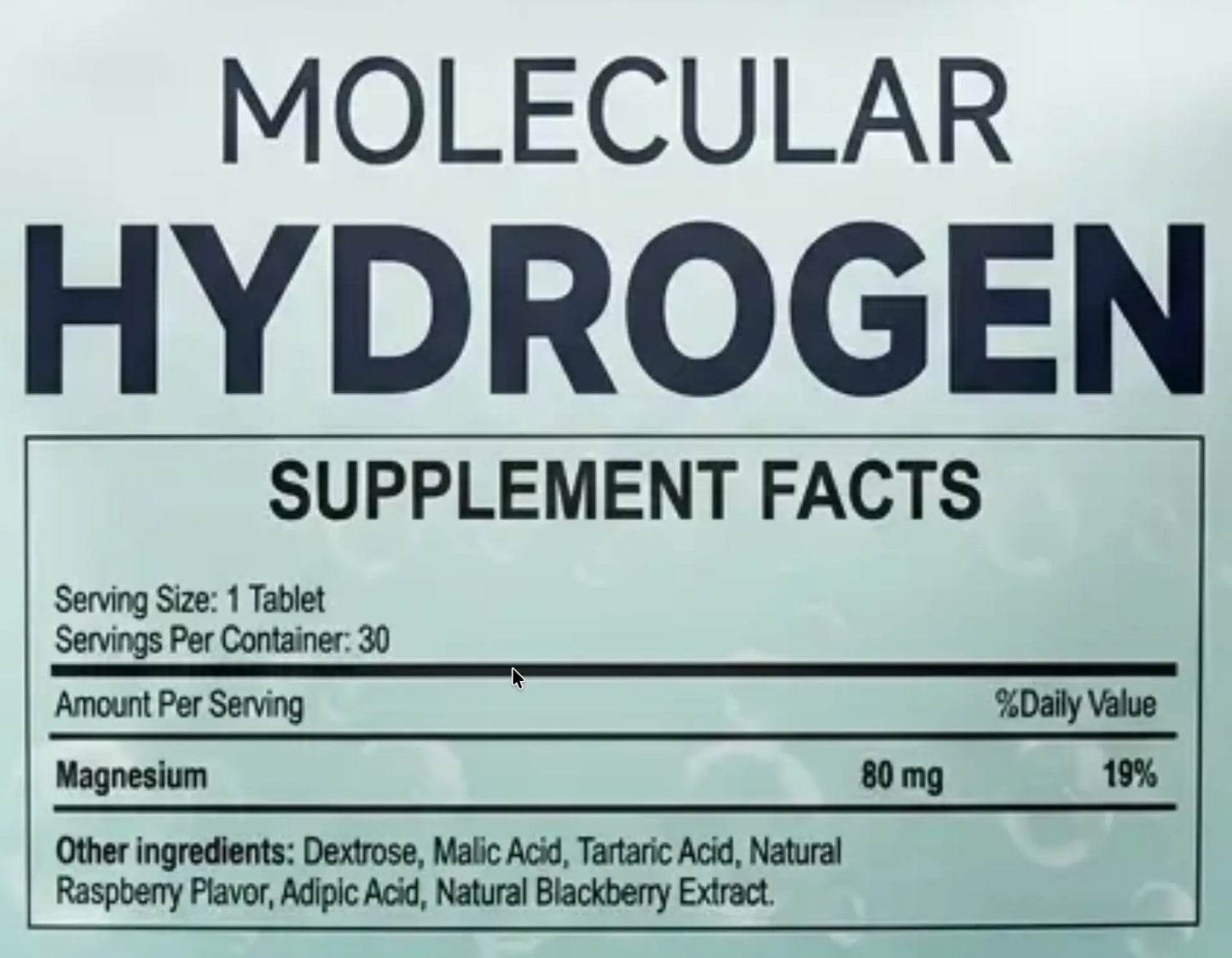
HALE is taken as one tablet per day. Consistency is more important than quantity; making H2 a regular part of your hydration habits ensures a steady supply of this antioxidant to your cells.
Does drinking hydrogen water help with hydration more than regular water?
While the water itself provides the hydration, the addition of molecular hydrogen may support the health of the skin barrier and cellular membranes, potentially helping the body utilize that hydration more effectively and maintain better moisture balance in the skin.
Sources
- Ohsawa et al., Nature Medicine, 2007
- Six-month hydrogen-rich water intake in older adults, 2021
- Molecular hydrogen in middle-aged adults, 2018
- Hydrogen water, endurance and psychometric fatigue, 2019
Disclaimer: These statements have not been evaluated by the Food and Drug Administration. HALE products are not intended to diagnose, treat, cure, or prevent any disease. Always consult a qualified healthcare provider before starting any new supplement, especially if you have a medical condition or are taking medication.