Imagine your body’s cells as a bustling metropolis. In this microscopic city, the power plants responsible for keeping the lights on, the water running, and the transit systems moving are your mitochondria. These tiny, double-membraned organelles produce up to 90% of the energy your body needs to function. Yet, as we navigate the demands of modern life—stress, environmental toxins, intense exercise, and the natural process of aging—these cellular powerhouses can become less efficient, leading to a noticeable slump in physical and mental vitality.
In the pursuit of maintaining youthful energy and cellular resilience, researchers have turned their attention to a unique, highly bioavailable molecule: molecular hydrogen (H2). Unlike traditional antioxidants that struggle to reach the inner workings of our cells, molecular hydrogen possesses the unique ability to diffuse easily across cellular barriers. Emerging science suggests that drinking hydrogen-rich water made with molecular hydrogen tablets may support mitochondrial function, helping to protect our biological engines from the inside out.
The Powerhouses Under Siege: Why Mitochondrial Health Matters
To understand how molecular hydrogen may support your cellular energy, it is helpful to first look at how mitochondria function and why they are so vulnerable to damage. Mitochondria convert the food we eat and the oxygen we breathe into adenosine triphosphate (ATP), the primary energy currency of the body. Every heartbeat, muscle contraction, and cognitive thought relies on a constant, uninterrupted supply of ATP.
The Threat of Excess Free Radicals
The process of generating ATP is incredibly complex, and like any manufacturing plant, it produces byproducts. In this case, the byproducts are reactive oxygen species (ROS), commonly known as free radicals. Under normal conditions, our bodies maintain a delicate balance, neutralizing these free radicals with endogenous (self-produced) antioxidants.
However, when free radical production outpaces our natural defenses, a state of oxidative stress occurs. Because mitochondria are the primary site of ATP synthesis, they are also the first to be damaged by excess oxidative stress. Over time, this damage can impair the mitochondrial membrane, disrupt energy production, and contribute to the sluggishness and cognitive fatigue often associated with aging.
Enter Molecular Hydrogen: A Unique Cellular Ally
While the wellness market is saturated with antioxidant supplements, many fail to deliver on their promises. This is largely due to a simple physical barrier: size. Large molecular antioxidants, such as vitamin C or E, struggle to penetrate the lipid membranes of cells and are often blocked from entering the mitochondria where they are needed most.
The Advantage of Selective Antioxidant Support
Molecular hydrogen is the smallest molecule in existence, consisting of just two hydrogen atoms. This microscopic size allows it to effortlessly diffuse through cell membranes, cross the blood-brain barrier, and enter the mitochondria directly. Furthermore, research indicates that H2 acts as a selective antioxidant. Rather than neutralizing all free radicals—some of which serve as vital signaling molecules for cellular adaptation—it specifically targets the most damaging and highly reactive free radicals, such as the hydroxyl radical.
By selectively neutralizing harmful ROS while leaving beneficial signaling molecules untouched, molecular hydrogen helps maintain a healthy cellular environment. For a deeper dive into this mechanism, you can read about how molecular hydrogen supports your cellular wellness.
Unmatched Bioavailability
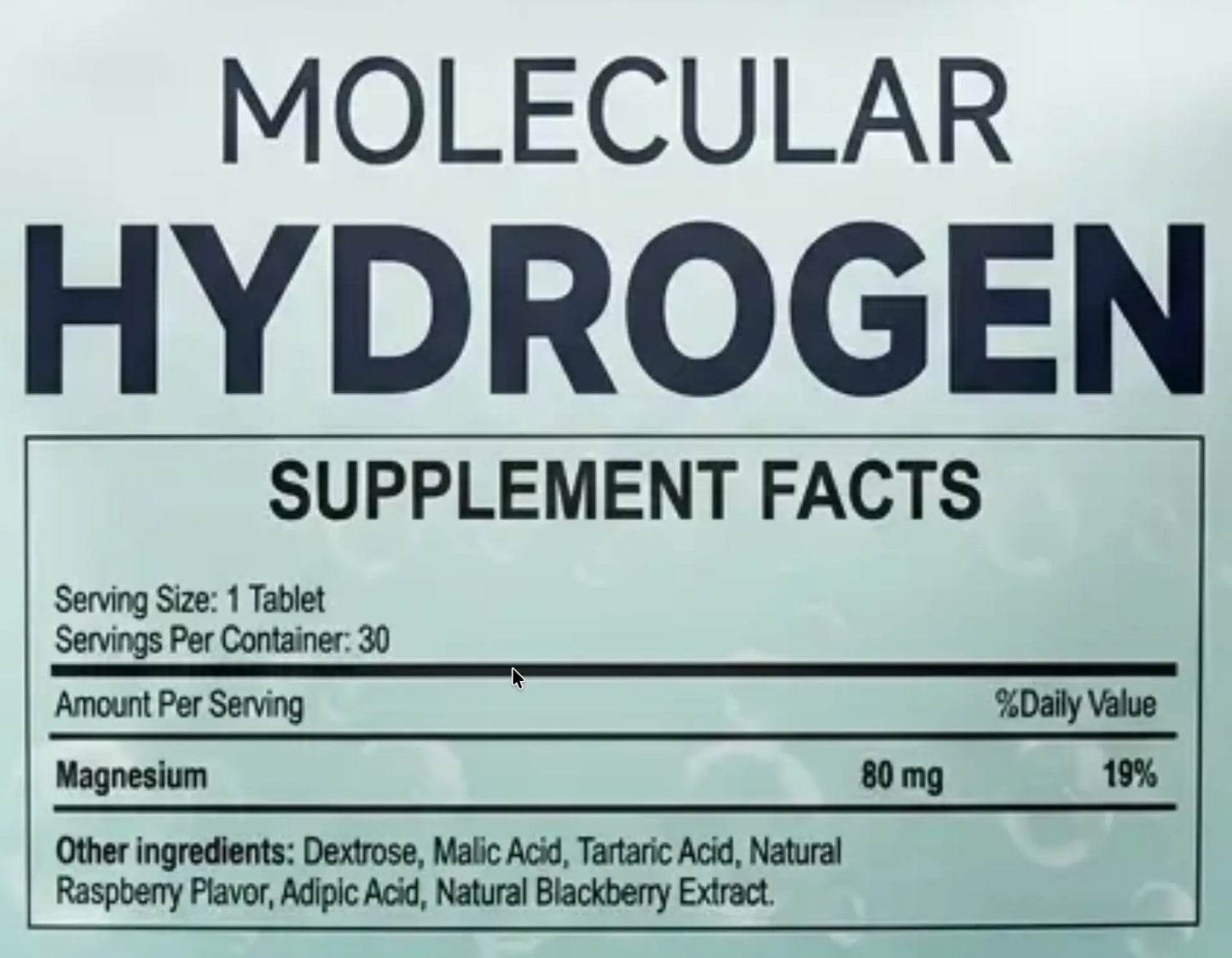
Because molecular hydrogen is a gas, the most practical and efficient way to introduce it to your body is by dissolving it in water. When you drop high-quality HALE molecular hydrogen tablets into a glass of water, they react to create millions of micro-bubbles of pure hydrogen gas, providing a highly bioavailable dose of cellular support that is ready to absorb immediately upon drinking.
How H2 Supports Mitochondrial Function and ATP Production
Scientific interest in molecular hydrogen has surged over the last decade, with hundreds of peer-reviewed studies exploring its therapeutic potential. When it comes to the mitochondria, research suggests H2 may offer support through several distinct physiological pathways.
Protecting the Mitochondrial Membrane Potential
The mitochondrial membrane acts as a tiny battery, maintaining an electrical charge (potential) that drives ATP synthesis. If this membrane is damaged by oxidative stress, the "battery" loses its charge, and ATP production drops. Studies suggest that molecular hydrogen may help protect the structural integrity of the mitochondrial membrane, thereby supporting efficient energy conversion and helping you maintain natural, jitter-free energy throughout the day.
Supporting Endogenous Antioxidant Pathways
In addition to directly neutralizing selective free radicals, molecular hydrogen has been shown to activate the Nrf2 pathway. This pathway acts as the body’s master switch for antioxidant defense, signaling the cells to increase their production of protective enzymes like superoxide dismutase (SOD), catalase, and glutathione. By boosting your body’s native defense systems, H2 provides long-term, systemic support for your mitochondria.
Practical Benefits for Energy, Recovery, and Longevity
Because mitochondria are found in virtually every tissue in the body, supporting their health can have wide-ranging benefits for your daily life, particularly as you navigate your 30s, 40s, and 50s.
Sustained Physical and Mental Vitality
When your mitochondria are operating at peak efficiency, your cells produce ATP more reliably. This translates to sustained physical stamina and sharper cognitive focus. Many individuals who incorporate hydrogen-rich water into their daily routine report feeling a clean sense of alertness without the crashes or jitters associated with caffeine or synthetic stimulants. To explore how this cellular energy translates to long-term well-being, read more about molecular hydrogen for longevity and metabolic health.
Enhancing Recovery and Reducing Muscle Fatigue
During strenuous exercise, your mitochondria must work overtime to meet the energy demands of your muscles. This intense metabolic activity leads to a rapid buildup of oxidative stress, which contributes to muscle soreness and prolonged recovery times. By supporting mitochondrial resilience and reducing exercise-induced oxidative stress, molecular hydrogen can help you bounce back faster from demanding workouts, helping you stay consistent with your fitness goals.
How to Optimize Your Hydrogen Routine
To experience the full potential of molecular hydrogen, consistency and quality are key. Not all hydrogen products are created equal, and the concentration of dissolved gas plays a critical role in its effectiveness.
The Importance of Concentration
For molecular hydrogen to effectively diffuse into your cells and reach the mitochondria, the water must contain a therapeutic concentration of dissolved H2 gas. Utilizing premium hydrogen tablets ensures that you are getting a highly concentrated, freshly dissolved dose of hydrogen with every serving, maximizing the biological availability of the molecule.
Our Commitment to Quality
At HALE, we believe that wellness should be grounded in rigorous science and absolute transparency. Our team is dedicated to sourcing the highest quality ingredients and utilizing manufacturing processes that deliver consistent, reliable results. You can learn more about our approach to science and meet the experts behind our formulations by visiting the HALE Research Team page.
Frequently Asked Questions
What are mitochondria and why do they need support?
Mitochondria are specialized structures inside almost all human cells that generate adenosine triphosphate (ATP), the primary energy source for cellular functions. Because they are the primary site of energy production, they are highly susceptible to oxidative stress and free radical damage, which can lead to decreased cellular efficiency and fatigue over time.
How does molecular hydrogen reach the mitochondria?
Molecular hydrogen is the smallest known molecule in the universe. Its extremely small size and neutral charge allow it to pass effortlessly through cellular membranes, the blood-brain barrier, and the protective outer membranes of the mitochondria, delivering targeted antioxidant support directly where energy is produced.
Can I get molecular hydrogen from drinking regular water?
While regular water (H2O) contains hydrogen atoms, they are chemically bound to oxygen and cannot be utilized by the body as free gas. Molecular hydrogen tablets dissolve in water to create free, active hydrogen gas (H2) that is dissolved in the liquid, making it bioavailable for your cells to absorb.
How long does it take to experience the benefits of hydrogen-rich water?
Many individuals notice subtle improvements in mental clarity, alertness, and physical recovery within a few days of consistent daily use. However, the long-term benefits of supporting mitochondrial health and reducing systemic oxidative stress build gradually over weeks and months of routine consumption.
Are molecular hydrogen tablets safe for daily use?
Yes. Dozens of clinical trials and scientific studies have demonstrated that molecular hydrogen has an excellent safety profile. It is non-toxic, and any excess hydrogen gas that your body does not utilize is simply exhaled naturally. It is ideal for daily cellular and mitochondrial support.
Sources
- Ohsawa et al., Nature Medicine, 2007
- Molecular hydrogen in middle-aged adults, 2018
- Six-month hydrogen-rich water intake in older adults, 2021
Disclaimer: These statements have not been evaluated by the Food and Drug Administration. HALE products are not intended to diagnose, treat, cure, or prevent any disease. Always consult a qualified healthcare provider before starting any new supplement, especially if you have a medical condition or are taking medication.