The Smallest Molecule with a Significant Impact
In the world of health and longevity, we often look for the next complex compound or superfood to optimize our vitality. However, some of the most profound support for our bodies may come from the simplest element in the universe: hydrogen. Specifically, molecular hydrogen (H2)—two hydrogen atoms bonded together—is gaining significant attention in peer-reviewed literature for its unique ability to support cellular wellness from the inside out.
For adults between 30 and 55, the focus often shifts from simple fitness to long-term resilience. Whether you are looking to maintain mental clarity during a demanding workday or recover more effectively after a weekend trail run, understanding the role of H2 can be a game-changer. Research suggests that this gas acts as a selective antioxidant and a signal modulator, helping the body maintain balance in an increasingly stressful world. In this guide, we will explore the mechanisms, benefits, and practical applications of this remarkable molecule.
What is Molecular Hydrogen?
Molecular hydrogen is the smallest molecule in existence. This physical property is its greatest advantage. Because it is so small and neutrally charged, it can effortlessly diffuse through cell membranes and reach sub-cellular compartments like the mitochondria and the nucleus. Unlike larger antioxidants that may struggle to penetrate certain tissues, H2 can even cross the blood-brain barrier, offering potential support for cognitive resilience.
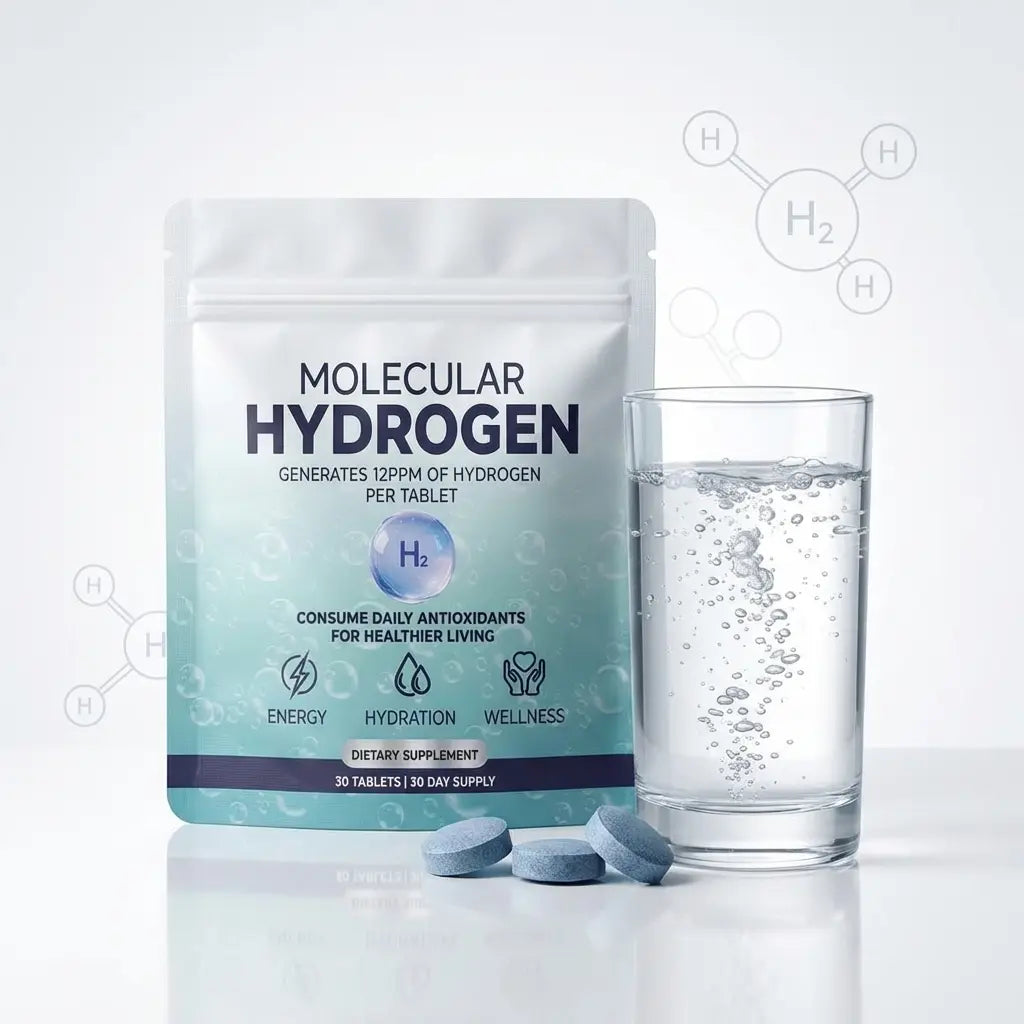
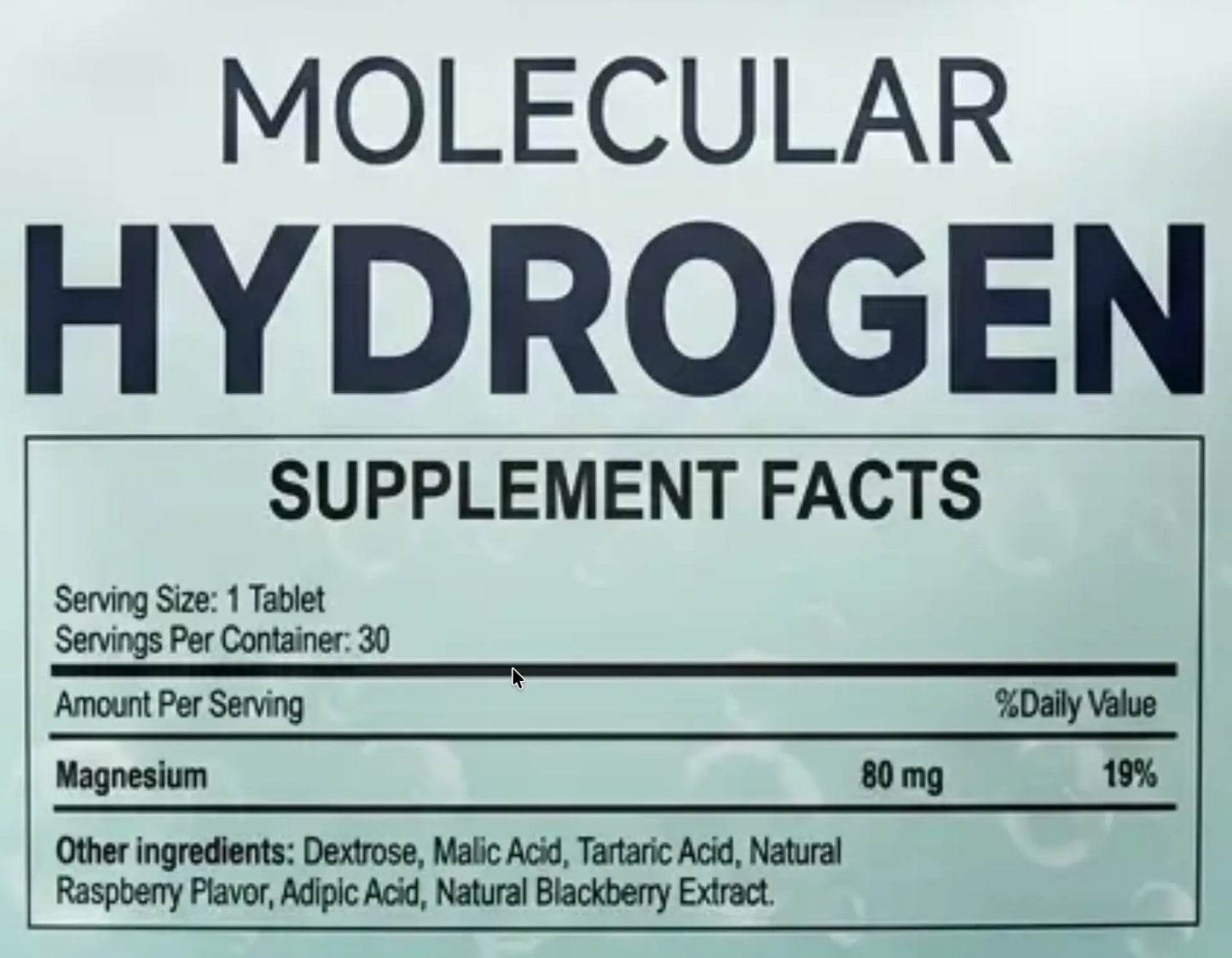
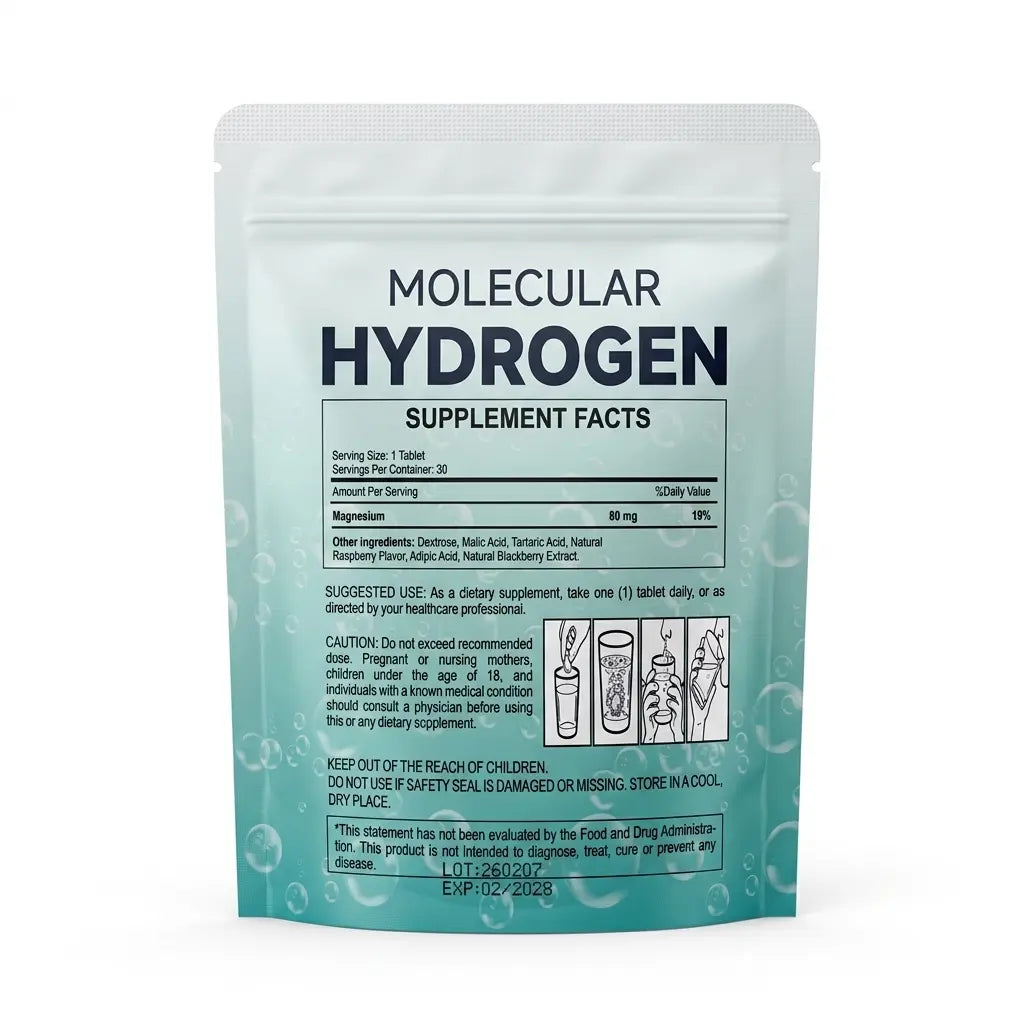
While hydrogen is the most abundant element in the universe, we don't naturally get much of it in its gaseous H2 form. In recent years, scientists have developed ways to infuse this gas into water, creating a convenient delivery system. By using HALE molecular hydrogen tablets, you can create a high-concentration hydrogen-rich drink that allows these tiny molecules to enter your system quickly and efficiently.
The Science of Selective Antioxidant Capacity
One of the most fascinating aspects of H2 is its selective nature. Our bodies produce various reactive oxygen species (ROS), some of which are actually beneficial for signaling and immune function. Traditional antioxidants can sometimes be "too effective," neutralizing both harmful and helpful radicals. Studies indicate that molecular hydrogen behaves differently; it appears to selectively target the most cytotoxic (cell-damaging) radicals, such as the hydroxyl radical, while leaving beneficial signaling molecules intact. For a deeper dive into this process, you can read our article on molecular hydrogen and selective oxidative stress explained.
Supporting Longevity and Mitochondrial Health
As we age, the efficiency of our mitochondria—the power plants of our cells—tends to decline. This decline is often linked to increased oxidative stress and a reduction in cellular energy production (ATP). Research suggests that molecular hydrogen may support mitochondrial function by helping to maintain the membrane potential and reducing the burden of oxidative damage within the mitochondria themselves.
By supporting the very foundation of cellular energy, H2 may play a role in promoting healthy aging. Studies have explored how molecular hydrogen may support metabolic health and help the body maintain its natural defense systems as we navigate the stressors of middle age. This focus on the cellular level is a cornerstone of how molecular hydrogen may support longevity and recovery.
Mitochondrial Signaling and Nrf2
Beyond its role as an antioxidant, H2 is thought to act as a signaling molecule. It may help activate the Nrf2 pathway, which is the body's internal "master switch" for antioxidant production. Instead of just providing external antioxidants, H2 may encourage the body to produce its own protective enzymes, such as glutathione and superoxide dismutase. This "upregulation" is a key reason why many researchers are excited about the long-term wellness potential of regular H2 consumption.
Molecular Hydrogen for Physical Recovery
For those who stay active, recovery is often the bottleneck to progress. Intense exercise naturally increases the production of reactive oxygen species and can lead to temporary inflammation and muscle fatigue. Research indicates that drinking hydrogen-rich water before or after exercise may support a more balanced inflammatory response and reduce the perception of muscle soreness.
Studies involving athletes have shown that H2 may help manage lactic acid buildup, allowing for better endurance and faster return to training. Utilizing hydrogen tablets provides a portable way to ensure you are getting a therapeutic dose of H2 exactly when your body needs it most—whether that's at the gym or after a long hike. By mitigating excessive oxidative stress during the recovery window, you allow your body to adapt to the stimulus of exercise more efficiently.
Cognitive Clarity and Brain Health
The brain is one of the most metabolically active organs in the body, making it highly susceptible to oxidative stress. Because molecular hydrogen can cross the blood-brain barrier, it has been the subject of numerous studies regarding cognitive health and mental focus. Research suggests that H2 may support neuroprotective pathways, helping to maintain clarity and focus even during stressful periods.
Many users report a sense of "calm alertness" when using H2. This isn't the jittery energy associated with caffeine, but rather a feeling of cellular readiness. By supporting the brain's internal environment, H2 may help you maintain the cognitive resilience needed for a demanding career and a busy personal life.
The HALE Approach to Science and Quality
At HALE, we believe that wellness should be rooted in rigorous data and transparent standards. Our philosophy centers on providing high-concentration H2 delivery systems that reflect the dosages used in clinical research. We understand that for a molecule as small as hydrogen, the concentration (measured in parts per million or ppm) is critical for efficacy. You can learn more about our approach to science and why we prioritize high-performance formulations.
To ensure our community receives the most accurate and up-to-date information, every article we publish undergoes a thorough review process. Our HALE Research Team is dedicated to translating complex molecular biology into actionable insights for our readers, ensuring that our content remains both trustworthy and accessible.
How to Use H2 Tablets for Best Results
Incorporating H2 tablets into your daily routine is straightforward, but there are a few tips to maximize the benefits:
- Use Cold Water: Hydrogen gas dissolves better and stays in solution longer in colder water.
- Drink Immediately: Once the tablet has finished reacting and the water is cloudy with millions of tiny bubbles, drink it right away to ensure you get the full dose of gas before it escapes into the air.
- Timing Matters: Many people find benefits from taking H2 first thing in the morning on an empty stomach, or about 30 minutes before a workout.
- Consistency is Key: Like most wellness protocols, the benefits of molecular hydrogen are often cumulative. Consistent daily use helps support your body's natural antioxidant defenses over time.
Frequently Asked Questions
Is molecular hydrogen safe?
Yes, molecular hydrogen has been studied extensively and has a high safety profile. Hydrogen gas has been used in deep-sea diving since the 1940s at much higher concentrations than what is found in hydrogen water, with no known toxic effects. It is a natural byproduct of fiber fermentation in our gut.
How does it differ from regular water?
While water (H2O) contains hydrogen atoms, those atoms are chemically bonded to oxygen. In hydrogen water, extra molecular hydrogen gas (H2) is dissolved into the water. These free-floating H2 molecules are what provide the unique biological benefits described in recent research.
Can I take H2 with other supplements?
Research suggests that H2 does not typically interfere with other supplements. In fact, because it may support cellular function and blood flow, it may even complement your existing wellness routine. However, as with any new supplement, it is always best to consult with your healthcare provider.
How many tablets should I take per day?
Most clinical studies use a dosage that equates to 1-2 tablets daily. Depending on your activity level and wellness goals, some individuals find that a second dose in the afternoon helps maintain their energy and focus throughout the day.
Does it taste like anything?
Molecular hydrogen gas is colorless, odorless, and tasteless. When you dissolve a tablet, the water may have a slightly different mouthfeel due to the bubbles, but the flavor remains neutral, making it easy to incorporate into your hydration habits.
Is there a specific time of day that works best?
While H2 can be taken at any time, many people prefer taking it during times of increased oxidative stress—such as upon waking, before or after exercise, or during travel. The most important factor is finding a time that allows you to be consistent.
Sources
- https://pubmed.ncbi.nlm.nih.gov/23610159/
- https://pubmed.ncbi.nlm.nih.gov/31661102/
- https://pubmed.ncbi.nlm.nih.gov/21288636/
- https://www.nature.com/articles/nm1577
Disclaimer: These statements have not been evaluated by the Food and Drug Administration. HALE products are not intended to diagnose, treat, cure, or prevent any disease. Always consult a qualified healthcare provider before starting any new supplement, especially if you have a medical condition or are taking medication.