The Evolution of Antioxidant Science
In the wellness world, the term "antioxidant" has long been synonymous with health. For decades, we were told that free radicals were the enemy and that we should consume as many antioxidants as possible to neutralize them. However, as our understanding of cellular biology has deepened, we have learned that the story is more nuanced. Not all oxidation is harmful; in fact, some oxidative processes are essential for life, acting as critical signaling molecules that tell our cells how to adapt, repair, and grow. This realization has led researchers to look for a more sophisticated solution: the selective antioxidant.
Molecular hydrogen (H2) has emerged as a primary focus in this field. Unlike traditional antioxidants that may indiscriminately neutralize all reactive oxygen species (ROS), research suggests that H2 acts as a "smart" molecule. It appears to target only the most cytotoxic (cell-damaging) radicals while leaving the beneficial ones intact. For those focused on longevity, recovery, and cognitive resilience, understanding this distinction is vital to optimizing a wellness protocol. By incorporating HALE molecular hydrogen tablets into a daily routine, individuals may support their body’s natural ability to maintain oxidative balance.
Understanding Oxidative Stress: The Good, The Bad, and The Ugly
To understand why selectivity matters, we must first look at oxidative stress. This biological state occurs when there is an imbalance between the production of reactive oxygen species and the body’s ability to detoxify their harmful effects through antioxidants. However, it is a mistake to view all ROS as "bad."
The Role of Beneficial ROS
Certain reactive oxygen species, such as hydrogen peroxide (H2O2) and nitric oxide (NO), serve as essential signaling molecules. They are involved in vasodilation (blood flow), immune response, and the activation of various metabolic pathways. If an antioxidant were to neutralize these molecules completely, it could potentially interfere with the body’s natural defense and adaptation mechanisms. This is sometimes seen in studies where high doses of traditional isolated antioxidants actually blunted the beneficial adaptations to exercise.
The Danger of Hydroxyl Radicals
On the other end of the spectrum are the truly damaging radicals, most notably the hydroxyl radical (•OH) and peroxynitrite (ONOO-). These are highly reactive and have no known physiological benefit. They can cause significant damage to DNA, proteins, and lipids within the cell membrane. Because the body does not have a dedicated endogenous enzyme to neutralize hydroxyl radicals, we rely on external support to manage them. This is where the selective nature of H2 becomes a game-changer for cellular health.
The Selective Advantage: How Molecular Hydrogen Works
The landmark study published in Nature Medicine in 2007 by Ohsawa et al. changed the landscape of hydrogen research. The study demonstrated that molecular hydrogen could selectively reduce the hydroxyl radical while having no effect on other ROS that have physiological roles. This selectivity is what sets H2 apart from almost every other antioxidant supplement on the market.
The Chemistry of Neutralization
When molecular hydrogen (H2) encounters a hydroxyl radical (•OH), a simple and elegant chemical reaction occurs. The H2 molecule reacts with two hydroxyl radicals to produce two molecules of H2O—pure water. This means that the byproduct of the antioxidant activity is completely non-toxic and hydrating to the cell. There are no "spent" antioxidant molecules left behind that the body needs to then recycle or detoxify, which can be an issue with larger, more complex antioxidant compounds.
Unmatched Cellular Access
Beyond its selectivity, H2 has a physical advantage: size. As the smallest molecule in the universe, hydrogen can diffuse rapidly through cell membranes and enter sub-cellular compartments like the mitochondria and the nucleus. Most antioxidants are bulky and struggle to reach these critical areas, but H2 moves through the body with ease, providing support exactly where oxidative damage is most likely to occur. To learn more about the delivery of this molecule, you can explore our guide on understanding hydrogen-rich water science and benefits.
The Nrf2 Pathway: Boosting the Body’s Own Defenses
Molecular hydrogen does more than just scavenge radicals directly. Studies indicate that it may also act as a signal modulator, specifically activating the Nrf2 pathway. Nrf2 is often called the "master regulator" of the body’s antioxidant response. When activated, it triggers the production of our own internal antioxidants, such as glutathione, superoxide dismutase (SOD), and catalase.
By stimulating this pathway, H2 doesn't just provide a temporary fix; it may help "train" the cells to be more resilient against future stressors. This indirect antioxidant effect is a cornerstone of our approach to science at HALE. We believe in providing tools that work in harmony with the body’s innate biological systems rather than overriding them.
Practical Application for Longevity and Performance
For the modern adult juggling career, family, and fitness, maintaining this oxidative balance is essential for daily performance. Whether it is recovering from a strenuous workout or maintaining mental clarity during a long day of meetings, the selective support of H2 can be a powerful ally.
Optimizing Recovery and Energy
Exercise naturally increases the production of ROS. While some of this is necessary for muscle growth and adaptation, excessive oxidative stress can lead to prolonged soreness and fatigue. Using hydrogen tablets post-workout may help manage the "bad" radicals while allowing the "good" signaling molecules to facilitate the recovery process. Many users find that this leads to a more refreshed feeling the following day. For a deeper dive into this specific application, see our article on the role of molecular hydrogen in longevity and wellness.
The Convenience of HALE Tablets
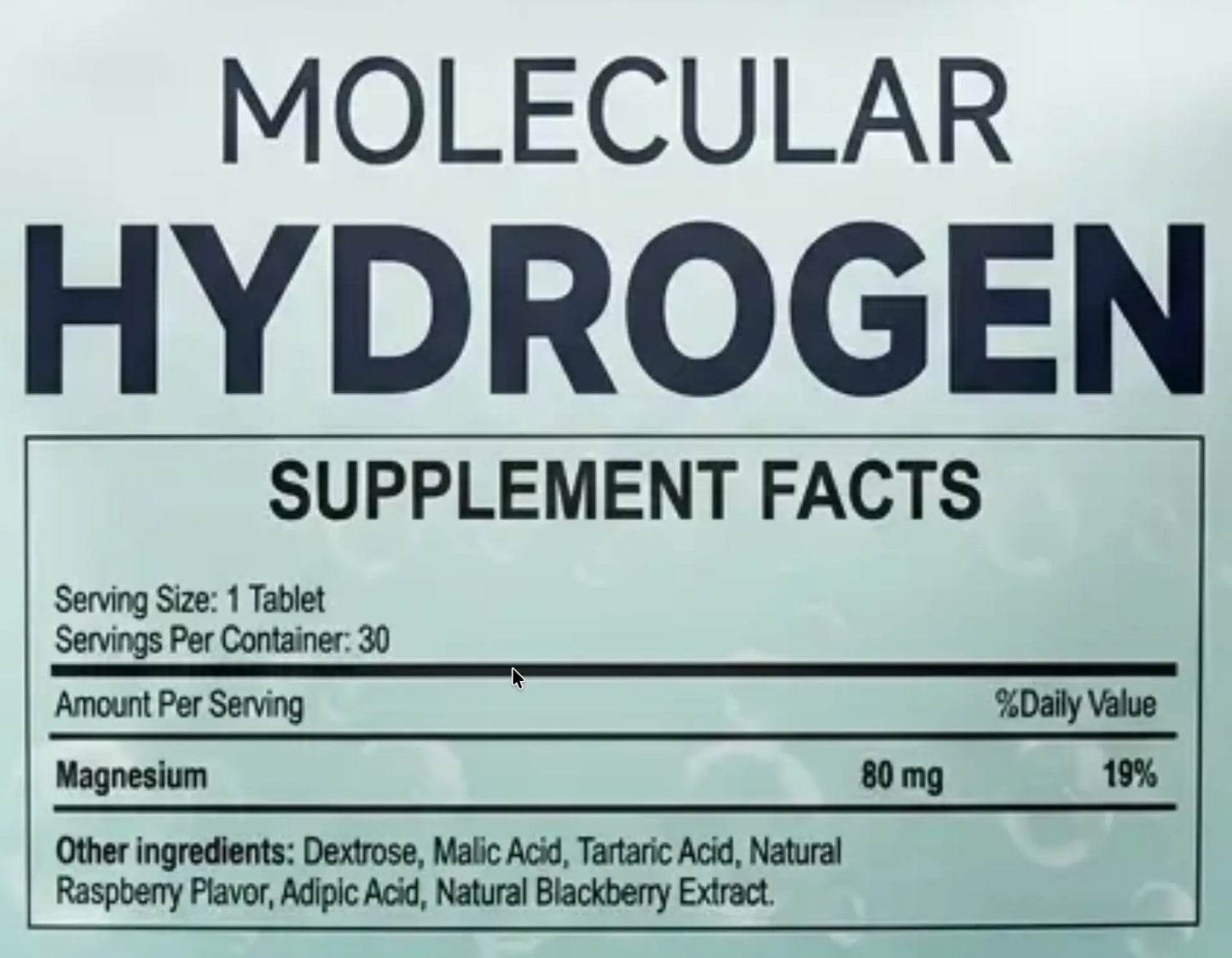
HALE molecular hydrogen tablets are designed to be dropped into a glass of water, where they release H2 gas into it. The point is timing: unlike pre-packaged hydrogen waters, which lose gas through their packaging over weeks on a shelf, a tablet puts the hydrogen in the glass at the moment you drink it.
The Future of Molecular Hydrogen Research
While over 1,000 peer-reviewed studies have explored the potential of molecular hydrogen, we are still in the early stages of understanding its full impact. Current research is looking into its role in metabolic health, cognitive function, and even its potential to support a healthy inflammatory response. What remains clear is that H2 offers a unique, low-risk, and scientifically fascinating approach to cellular wellness.
By focusing on selective oxidation, we move away from the outdated "more is better" antioxidant philosophy and toward a more precise, biological approach. It is about balance, not total suppression. By supporting the body's natural state of equilibrium, we can better navigate the stressors of modern life and pursue our goals with sustained vitality.
Frequently Asked Questions
What does "selective" mean in the context of antioxidants?
Selective means that the molecule specifically targets and neutralizes only the most harmful free radicals (like hydroxyl radicals) while leaving beneficial signaling molecules (like hydrogen peroxide) alone. This prevents the interference with necessary biological processes that some non-selective antioxidants might cause.
Is molecular hydrogen safe to consume daily?
Yes, molecular hydrogen has been shown to have an excellent safety profile. It has been used in deep-sea diving gas mixes for decades and is naturally produced by our gut bacteria during the fermentation of fiber. There is no known toxicity level for H2 gas.
How long does the hydrogen stay in the water once the tablet dissolves?
Molecular hydrogen is a gas, so it will eventually escape into the air. For maximum benefit, it is recommended to drink the water within 15-20 minutes of the tablet fully dissolving. Keeping the water in a sealed container can extend this window slightly, but fresh is always best.
Can I take H2 tablets with other supplements?
Research suggests that molecular hydrogen does not have negative interactions with other supplements. In many cases, it may actually complement a regimen of vitamins and minerals by providing the selective oxidative support that traditional supplements lack.
What is the best time of day to take molecular hydrogen?
HALE is one tablet a day, so this is a question of when, not how many. Many people take theirs first thing in the morning for mental clarity; others move it to just after a workout, or to periods of high stress or travel. Pick the moment that you will actually keep to.
Does it taste like anything?
HALE tablets have a natural berry flavour — raspberry and blackberry — over a faint mineral note from the magnesium. Because the primary active ingredient is magnesium reacting to create H2 gas, the water may have a slightly different "mouthfeel," but it remains very easy to drink.
Sources
- Ohsawa et al., Nature Medicine, 2007
- Hydrogen-rich water and inflammatory response in healthy adults, 2020
- Systematic review: hydrogen and exercise-induced oxidative stress, 2024
- Oral administration of hydrogen-rich water: a 2025 review
Disclaimer: These statements have not been evaluated by the Food and Drug Administration. HALE products are not intended to diagnose, treat, cure, or prevent any disease. Always consult a qualified healthcare provider before starting any new supplement, especially if you have a medical condition or are taking medication.