We have all experienced it: that feeling of drinking glass after glass of water, yet still feeling fatigued, sluggish, or strangely dry. This common paradox highlights a fundamental biological truth: hydration is not just about how much liquid you swallow. It is about whether that water actually reaches the inside of your cells.
True hydration occurs at the cellular level. If your cellular membranes are compromised by oxidative stress or if your body's natural fluid-regulation systems are out of balance, water cannot efficiently cross into your cells where it is needed most. Recently, wellness enthusiasts and researchers alike have turned their attention to a unique, ultra-small molecule that may offer a novel solution: molecular hydrogen (H2). In this article, we will explore the science behind how molecular hydrogen may support cellular hydration, protect membrane integrity, and optimize your daily physical performance.
Understanding Cellular Hydration: Why It Matters
The Difference Between Wetting Your Throat and Hydrating Your Cells
When you drink water, it travels through your digestive tract, is absorbed into your bloodstream, and enters the extracellular fluid (the fluid surrounding your cells). However, for your organs, muscles, and brain to function optimally, that water must cross the lipid bilayer of your cell membranes to enter the intracellular space. This process is vital because intracellular water accounts for roughly two-thirds of your body's total water content. It is the medium in which all metabolic reactions, energy production, and cellular repair take place.
Aquaporins: The Cell's Water Gates
Water does not simply seep through cell membranes at random. Instead, it relies on specialized microscopic channels called aquaporins. Discovered in the early 1990s, aquaporins are membrane proteins that selectively conduct water molecules in and out of the cell while preventing the passage of charged ions and other solutes. If these aquaporins or the surrounding lipid membranes are damaged by oxidative stress, the cell's ability to regulate its water volume decreases. This can lead to intracellular dehydration, even if you are drinking plenty of fluids throughout the day.
How Molecular Hydrogen Supports Fluid Balance
Neutralizing Oxidative Stress to Protect Membrane Integrity
One of the primary ways molecular hydrogen may support cellular hydration is by acting as a selective antioxidant. Environmental toxins, intense exercise, poor diet, and natural aging all generate reactive oxygen species (ROS), also known as free radicals. When ROS levels become excessive, they attack the lipids that make up your cell membranes—a destructive process known as lipid peroxidation.
When cell membranes undergo lipid peroxidation, they lose their fluid structure, become rigid, and can develop micro-leaks. This structural damage impairs aquaporin function and disrupts the delicate osmotic balance required to keep water inside the cells. Because molecular hydrogen is the smallest molecule in existence, it can effortlessly diffuse through cell membranes and enter the mitochondria to neutralize harmful hydroxyl radicals. By reducing oxidative stress, H2 may help preserve membrane elasticity and support the natural, healthy flow of water into your cells. To dive deeper into the fundamental mechanisms of H2, read our comprehensive guide on how molecular hydrogen supports your cellular wellness.
The Role of H2 in Supporting Mitochondrial Function
Mitochondria, the energy-producing powerhouses of your cells, require a highly regulated fluid environment to generate adenosine triphosphate (ATP). Interestingly, the process of ATP production itself generates metabolic water as a byproduct. When mitochondria are under heavy oxidative stress, their energy output drops, and metabolic water production decreases. Research suggests that by mitigating mitochondrial oxidative damage, molecular hydrogen may support efficient mitochondrial function, thereby promoting overall cellular vitality and optimal internal fluid dynamics.
The Science Behind H2 and Cellular Water Transport
What the Research Suggests
While direct clinical trials measuring intracellular water volume via bioelectrical impedance analysis are ongoing, preliminary animal and cell culture studies show promising results regarding H2 and tissue hydration. For example, studies investigating physical exertion have shown that drinking hydrogen-rich water may help maintain blood alkalinity and reduce lactic acid accumulation during intense exercise. Maintaining an optimal pH balance is critical for cellular osmotic pressure; when lactic acid and metabolic waste accumulate rapidly, cells can swell or lose water pathologically. By supporting metabolic waste clearance, H2 may indirectly promote optimal fluid distribution between intracellular and extracellular compartments.
Why Concentration Matters
Not all hydrogen water is created equal. To experience the potential cellular benefits of H2, the water must contain a therapeutic concentration of dissolved hydrogen gas. Many standard hydrogen water generators or pre-packaged cans offer low concentrations that quickly dissipate into the air. Utilizing high-quality hydrogen tablets that dissolve directly in water allows you to achieve a supersaturated concentration of H2, ensuring that a meaningful dose of this active gas reaches your tissues. To understand the physics and biology of why dosage is so critical, explore our detailed breakdown on the importance of high-concentration molecular hydrogen.
Practical Ways to Optimize Your Hydration Routine
Combining Electrolytes with H2
To maximize your hydration, consider a synergistic approach. Electrolytes—such as sodium, potassium, and magnesium—are the ionic keys that drive water into cells via osmotic pressure. Drinking hydrogen-rich water alongside a clean electrolyte source can provide a double benefit: electrolytes establish the osmotic gradient, while molecular hydrogen supports the structural integrity of the cell membranes and aquaporins that facilitate the actual water transport. This combination is particularly beneficial first thing in the morning, before workouts, or during periods of travel and stress.
Incorporating HALE Molecular Hydrogen Tablets
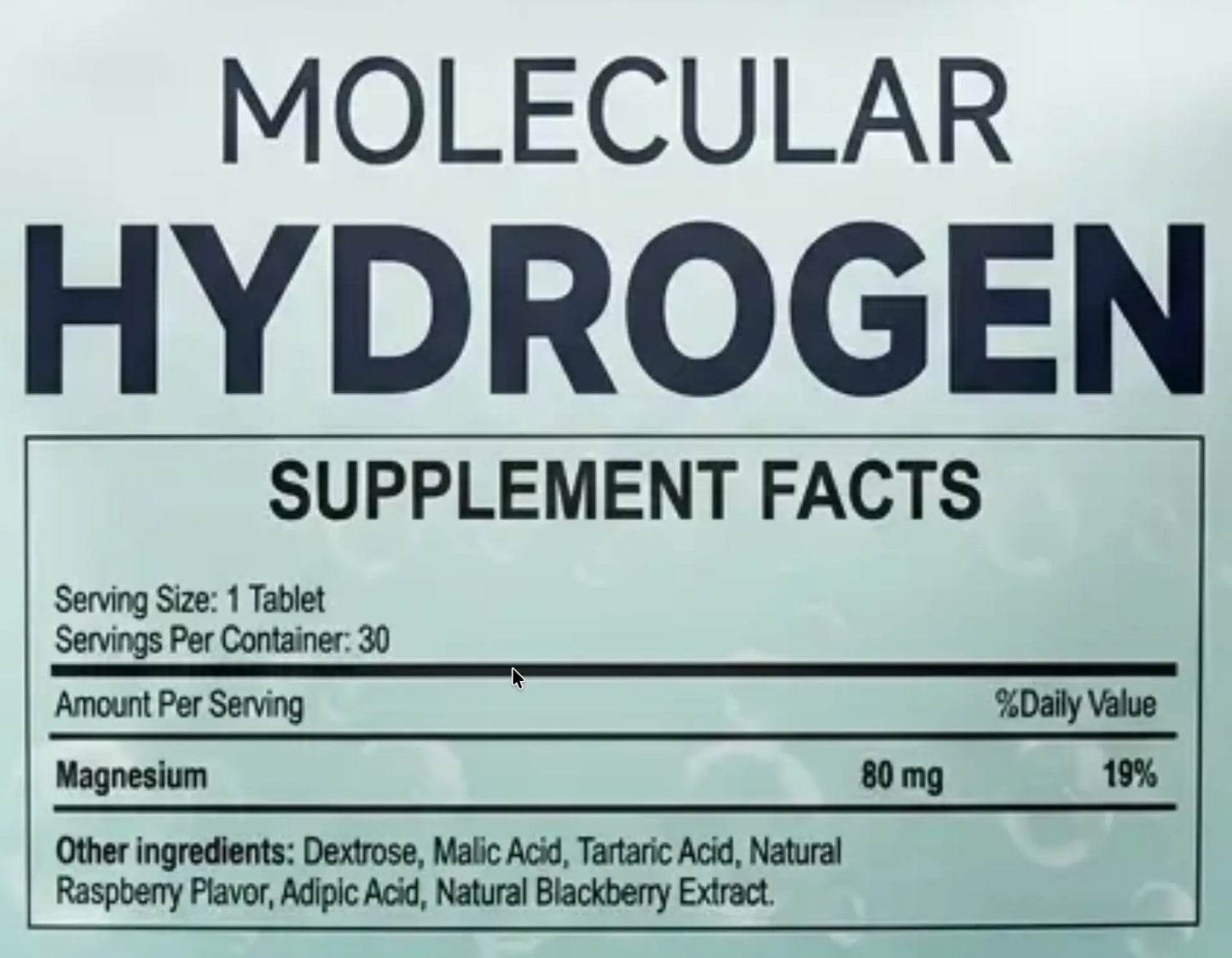
Adding H2 to your daily routine does not have to be complicated. With HALE molecular hydrogen tablets, you simply drop one tablet into a glass of open, cold water, wait for it to fully dissolve into a cloudy, hydrogen-rich micro-bubble suspension, and drink it immediately. This delivery method ensures you get a fresh, highly concentrated dose of H2 right when your body needs it most.
At HALE, we believe in transparency, purity, and clinical relevance. You can learn more about our philosophy, sourcing, and commitment to clean wellness by visiting our page about HALE.
The HALE Research Standard
In a wellness landscape often filled with exaggerated health claims, we choose to anchor our products and content strictly in peer-reviewed science. We continuously monitor emerging clinical trials, academic publications, and biochemistry research to ensure our community receives accurate, up-to-date information. Our content undergoes a rigorous review process by health professionals to maintain the highest standards of accuracy and compliance. You can learn more about our editorial standards and meet the experts behind our content by visiting the HALE Research Team page.
Frequently Asked Questions
Does molecular hydrogen hydrate better than regular water?
Molecular hydrogen does not replace water; rather, it may optimize how your body utilizes the water you drink. By acting as a selective antioxidant, H2 helps protect cellular membranes and aquaporins from oxidative damage. This structural support may make it easier for water molecules to cross into the intracellular space, supporting more efficient hydration at a cellular level compared to plain water alone.
Can I take hydrogen tablets with electrolytes?
Yes, combining molecular hydrogen with electrolytes is an excellent strategy for comprehensive hydration. Electrolytes help regulate osmotic pressure and fluid balance, while H2 supports the cellular machinery that allows water transport to occur smoothly. For best results, dissolve your H2 tablets in water first, and then add your electrolyte powder or drops.
How long does molecular hydrogen stay in the body?
Molecular hydrogen is a highly volatile gas. Once consumed, it rapidly diffuses through your tissues, exerts its selective antioxidant effects, and any excess is exhaled through your lungs within approximately 1 to 2 hours. HALE is taken once a day, which is what a 30-tablet pouch is built around.
Is there a specific time of day to drink hydrogen water for hydration?
While you can drink hydrogen-rich water at any time, many people find it most beneficial first thing in the morning to counteract overnight dehydration, or 30 minutes before exercise to support muscle endurance and recovery. Drinking it immediately after a workout can also help neutralize the acute burst of free radicals generated by intense physical exertion.
Are there any side effects to drinking hydrogen-rich water?
Dozens of clinical studies have shown that molecular hydrogen has an exceptional safety profile with no known toxic side effects. Because H2 is naturally produced by our gut bacteria during the fermentation of dietary fibers, our bodies are already highly accustomed to its presence. It is non-toxic even at high concentrations.
Sources
- Ohsawa et al., Nature Medicine, 2007
- Hydrogen-rich water and fecal propionic acid, 2023
- Hydration bioanalyses of hydrogen-rich water, 2026
- Molecular hydrogen in middle-aged adults, 2018
Disclaimer: These statements have not been evaluated by the Food and Drug Administration. HALE products are not intended to diagnose, treat, cure, or prevent any disease. Always consult a qualified healthcare provider before starting any new supplement, especially if you have a medical condition or are taking medication.