In our fast-paced world, maintaining consistent energy throughout the day can feel like an uphill battle. Many of us reach for a second or third cup of coffee, energy drinks, or sugary snacks to power through the afternoon slump. However, these quick fixes often lead to a familiar cycle of jittery highs followed by sudden crashes, leaving us more fatigued than before. What if the key to sustained vitality isn’t about forcing your body to run faster, but rather supporting it at the most fundamental level—your cells?
Enter molecular hydrogen (H2). As the smallest molecule in the universe, molecular hydrogen has emerged as a fascinating subject in wellness and longevity research. Unlike stimulants that artificially force energy release, molecular hydrogen works by supporting your body's natural cellular machinery. In this article, we will explore the science behind how molecular hydrogen may support daily energy, optimize cellular health, and help you maintain steady vitality without the unwanted crashes.
The Cellular Engine: How Mitochondria Produce Energy
To understand how molecular hydrogen supports daily energy, we must first look inside our cells. Virtually every action we perform—from taking a breath to running a marathon—requires energy. This energy is produced by microscopic powerhouses within our cells known as mitochondria.
ATP: The Currency of Vitality
Mitochondria generate adenosine triphosphate (ATP), the primary energy currency of the body. During the process of creating ATP, mitochondria naturally produce byproducts called reactive oxygen species (ROS), commonly known as free radicals. Under normal circumstances, our bodies can manage these byproducts. However, factors like stress, poor diet, lack of sleep, and aging can cause an overproduction of ROS, leading to oxidative stress.
When oxidative stress becomes excessive, it can damage the mitochondria themselves, reducing their efficiency and leading to feelings of sluggishness and fatigue. Research suggests that supporting mitochondrial health is crucial for maintaining consistent, daily vitality. For a deeper dive into this cellular process, you can read about how molecular hydrogen may support mitochondrial health to understand how protecting these cellular engines keeps your body running smoothly.
Molecular Hydrogen as a Selective Antioxidant
Antioxidants are widely known for their ability to neutralize free radicals, but molecular hydrogen offers a unique advantage that sets it apart from traditional antioxidants like Vitamin C or E.
Neutralizing the Roadblocks to Energy
Many traditional antioxidants are large molecules that struggle to penetrate cellular membranes, and they can sometimes neutralize beneficial free radicals that our bodies use for signaling. Molecular hydrogen, however, is exceptionally small. This microscopic size allows it to easily diffuse through cell membranes and enter the mitochondria directly, where oxidative stress is generated.
Furthermore, studies indicate that molecular hydrogen acts as a selective antioxidant. It specifically targets and neutralizes the most harmful free radicals, such as the hydroxyl radical, while leaving beneficial signaling molecules untouched. By reducing oxidative stress precisely where energy is produced, H2 may support the efficiency of ATP production, helping your cells generate energy more effectively.
Activating the Body's Natural Defenses
Beyond directly neutralizing hydroxyl radicals, molecular hydrogen has been shown to support the Nrf2 pathway. Nrf2 is a transcription factor that regulates the expression of antioxidant proteins that protect against oxidative damage triggered by injury and inflammation. By upregulating this pathway, molecular hydrogen doesn't just act as a passive shield; it may actively encourage your cells to produce their own endogenous antioxidants, such as superoxide dismutase (SOD) and glutathione. This dual action—direct neutralization and genetic upregulation—provides a robust foundation for maintaining optimal cellular energy production and resilience against daily stressors.
Supporting Physical Stamina and Reducing Fatigue
Whether you are an active athlete or someone balancing a demanding work schedule, physical stamina is a vital component of daily energy. When we exert ourselves, our muscles produce lactic acid and experience temporary oxidative stress, which contributes to physical fatigue and soreness.
Sustaining Energy Throughout the Day
Emerging research suggests that molecular hydrogen may support physical performance and recovery. By helping to mitigate the oxidative stress associated with physical exertion, H2 may help reduce muscle fatigue and support overall stamina. A randomised controlled trial in the Journal of Strength and Conditioning Research found that drinking hydrogen-rich water positively affected muscle performance and the blood lactate response to intense exercise.
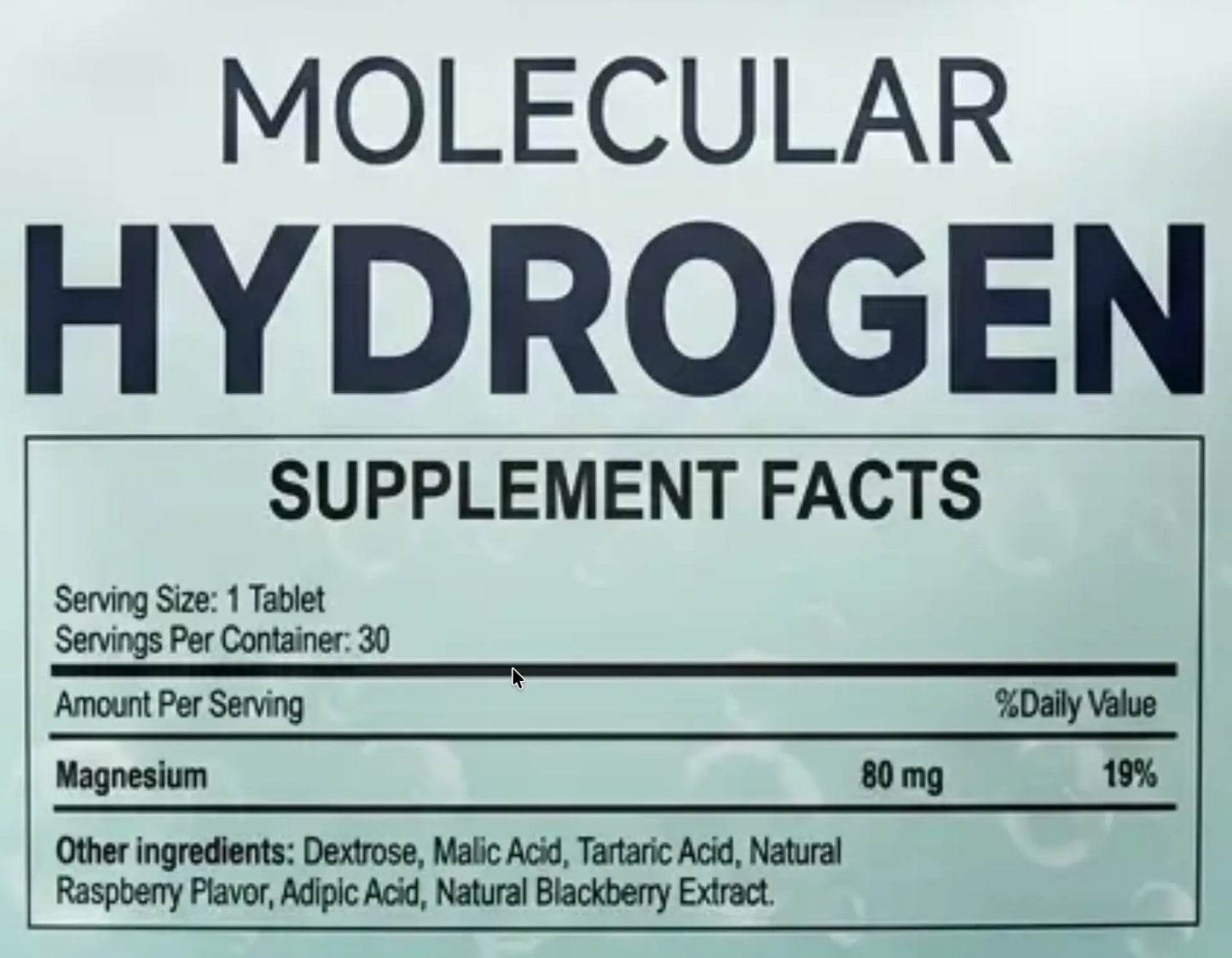
To experience these benefits during your busy days, integrating high-quality HALE molecular hydrogen tablets into your hydration routine offers a convenient way to deliver active H2 directly to your cells, helping you stay active and resilient against daily physical fatigue.
Mental Clarity and Cognitive Energy
Energy is not solely a physical sensation; mental fatigue and "brain fog" can be just as disruptive to our daily productivity. The brain is an incredibly energy-demanding organ, consuming about 20% of the body's total energy despite accounting for only 2% of its weight. Because of this high metabolic activity, the brain is particularly vulnerable to oxidative stress.
Clearing the Brain Fog
When oxidative stress impacts brain cells, it can lead to mental fatigue, difficulty concentrating, and decreased cognitive resilience. Because molecular hydrogen can easily cross the blood-brain barrier, it can deliver targeted antioxidant support directly to brain tissue. Research suggests that by reducing oxidative stress in the brain, molecular hydrogen may support mental clarity, focus, and cognitive endurance.
By protecting brain cells from oxidative damage, H2 helps maintain the cellular energy required for sharp focus and sustained attention throughout the workday. Learn more about the relationship between cellular wellness and cognitive performance in our guide on how molecular hydrogen supports energy, focus, and recovery.
How to Integrate Molecular Hydrogen Into Your Daily Routine
If you are looking to support your daily energy levels naturally, molecular hydrogen is remarkably easy to incorporate into your existing wellness regimen. Unlike complex protocols, H2 can be enjoyed as a refreshing drink at any time of day.
Choosing the Right Delivery Method
While there are various ways to consume hydrogen, dissolving high-concentration tablets in water is widely considered one of the most effective and practical methods. When you drop a tablet into water, it reacts to produce millions of microscopic nanobubbles of pure hydrogen gas, creating a highly concentrated, bioavailable beverage.
At HALE, our approach to science focuses on delivering high-concentration products that you can trust. Our dedicated HALE Research Team rigorously reviews scientific literature to ensure our educational content and product standards meet the highest benchmarks of accuracy and efficacy. For those seeking a simple, stimulant-free way to boost cellular vitality, dropping our hydrogen tablets into your morning glass of water is an excellent habit to build a foundation of clean, natural energy.
Frequently Asked Questions
Does molecular hydrogen contain caffeine or other stimulants?
No, molecular hydrogen is entirely stimulant-free. It does not artificially accelerate your heart rate or impact your nervous system like caffeine. Instead, it supports energy at a cellular level by helping your mitochondria produce ATP more efficiently and reducing oxidative stress.
When is the best time of day to take hydrogen tablets?
Many people prefer to drink hydrogen-rich water first thing in the morning to support morning vitality and set a baseline for the day. Others enjoy it in the early afternoon to combat the typical post-lunch energy dip, or right before a workout to support stamina and recovery.
How fast can I expect to feel the benefits of molecular hydrogen?
While some individuals report feeling a sense of mental clarity and subtle alertness within 15 to 30 minutes of drinking hydrogen-rich water, the most profound benefits of molecular hydrogen are cumulative. Consistent daily use over several weeks helps support long-term mitochondrial health and systemic antioxidant defenses.
Is there scientific research backing molecular hydrogen for energy?
Yes, there are hundreds of peer-reviewed studies demonstrating the cellular benefits of molecular hydrogen. Research has shown its potential to reduce oxidative stress, support mitochondrial function, decrease muscle fatigue, and promote overall metabolic health.
Can I take molecular hydrogen with other supplements?
Yes, molecular hydrogen is highly compatible with other dietary supplements. Because it acts as a selective antioxidant and cellular optimizer, it can complement your existing routine of vitamins, minerals, or adaptogens without causing negative interactions.
Sources
- Ohsawa et al., Nature Medicine, 2007
- Hydrogen water, endurance and psychometric fatigue, 2019
- Hydrogen-rich water, muscle performance and lactate response (RCT), 2022
- Systematic review: hydrogen and fatigue in healthy adults, 2023
Disclaimer: These statements have not been evaluated by the Food and Drug Administration. HALE products are not intended to diagnose, treat, cure, or prevent any disease. Always consult a qualified healthcare provider before starting any new supplement, especially if you have a medical condition or are taking medication.