The Evolution of Antioxidant Science
For decades, the health and wellness community has operated under a simple directive: free radicals are bad, and antioxidants are good. We have been encouraged to consume high doses of Vitamin C, Vitamin E, and various polyphenols to 'neutralize' oxidative stress. However, as our understanding of cellular biology has deepened, we have discovered that the relationship between oxidation and health is far more nuanced than a simple search-and-destroy mission.
The body actually requires certain reactive oxygen species (ROS) to function. These molecules act as vital signaling messengers, helping our cells communicate, adapt to exercise, and mount immune responses. The problem arises when we use 'blunt-force' antioxidants that neutralize everything in their path, potentially interfering with these essential processes. This is where molecular hydrogen (H2) represents a paradigm shift. Research suggests that H2 acts as a selective antioxidant, a unique property that allows it to target the most cytotoxic (cell-damaging) radicals while leaving beneficial signaling molecules untouched.
The Paradox of Oxidative Stress
To understand why selectivity matters, we must first look at the different types of radicals produced in our mitochondria. Oxidative stress is essentially an imbalance between the production of reactive oxygen species and the body's ability to detoxify them. However, not all ROS are created equal.
The 'Good' Radicals
Molecules like hydrogen peroxide (H2O2) and nitric oxide (NO) are technically oxidants, but they serve critical roles. Nitric oxide helps regulate blood flow and vascular health, while hydrogen peroxide is involved in insulin signaling and immune defense. If an antioxidant is too powerful or non-selective, it may inadvertently suppress these beneficial pathways, which is why some studies have shown that high-dose antioxidant supplementation can actually hinder athletic performance or metabolic adaptation.
The 'Bad' Radicals
On the other end of the spectrum are the truly harmful radicals, most notably the hydroxyl radical (•OH) and peroxynitrite (ONOO−). These are highly unstable and reactive. They don't serve as signaling molecules; instead, they indiscriminately attack DNA, proteins, and lipids, leading to cellular dysfunction. The hydroxyl radical, in particular, is considered the most cytotoxic of all ROS, and the body lacks a specific endogenous enzyme (like superoxide dismutase or catalase) to neutralize it directly.
What Makes Molecular Hydrogen 'Selective'?
The landmark study published in Nature Medicine in 2007 by Dr. Shigeo Ohta and his team changed the way researchers viewed hydrogen. They demonstrated that molecular hydrogen could selectively reduce the hydroxyl radical and peroxynitrite in cell cultures, without affecting the signaling ROS that the body needs. This discovery was revolutionary because it suggested a way to mitigate oxidative damage without the 'collateral damage' associated with traditional antioxidants.
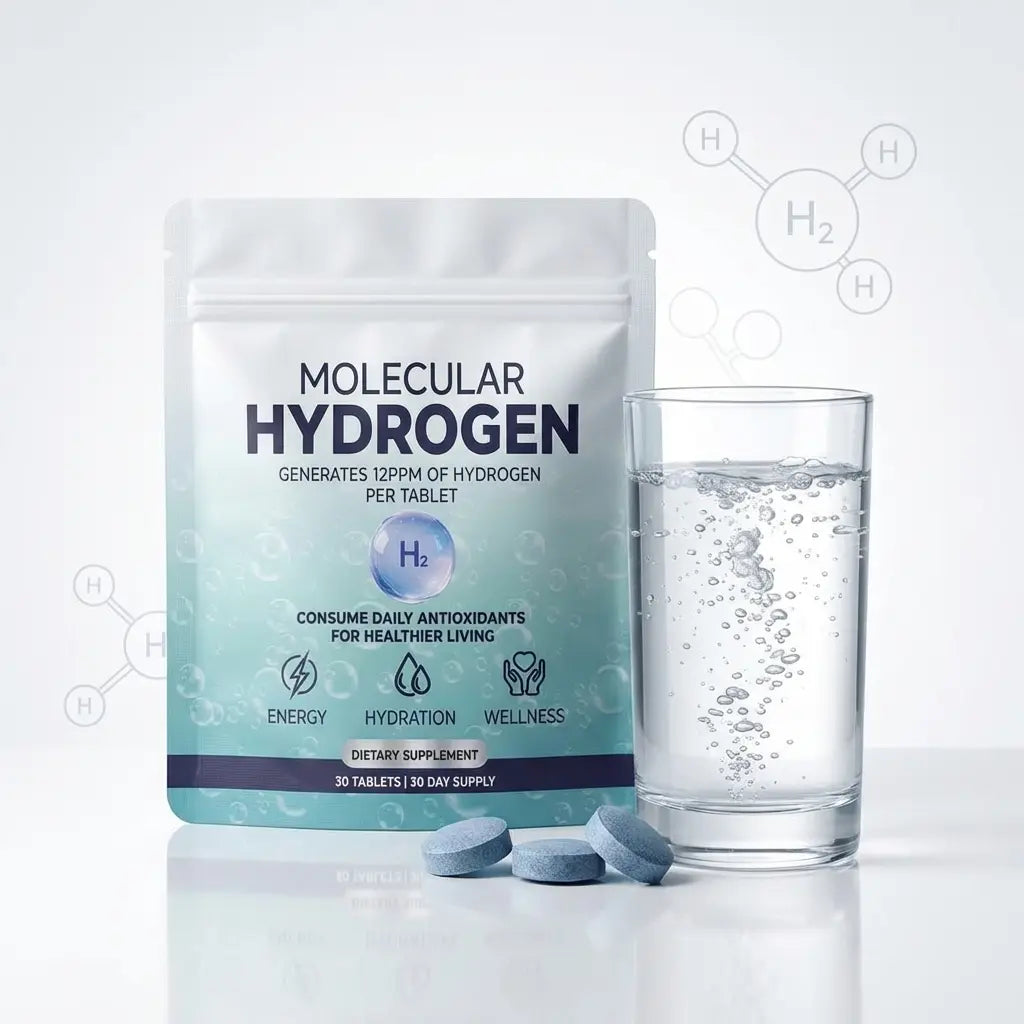
Because H2 is the smallest molecule in existence, it possesses unique physical properties that allow it to reach areas other antioxidants cannot. It can easily diffuse through cell membranes, enter the mitochondria (the primary site of radical production), and even cross the blood-brain barrier. When you use HALE molecular hydrogen tablets, you are delivering this tiny, agile molecule directly to your system, where it can begin its selective work.
For a deeper dive into how this process works at a cellular level, you may find our article on Molecular Hydrogen and Selective Oxidative Stress Explained particularly useful.
The Size Advantage: Bioavailability and Diffusion
One of the primary challenges with traditional antioxidants like Vitamin C or CoQ10 is their size and solubility. These are relatively large, bulky molecules. To reach the interior of a cell, they often require specific transport proteins or must wait for the cell to 'absorb' them. This limits their speed and their ability to reach the deep recesses of the mitochondria where oxidative stress is most intense.
Molecular hydrogen, consisting of just two hydrogen atoms, is significantly smaller. Its neutral charge and tiny size mean it doesn't need a transporter. It moves via simple diffusion, passing through the lipid bilayer of cells as if they weren't even there. This high bioavailability ensures that the H2 can reach the nucleus of the cell to support DNA integrity and the mitochondria to support energy production.
When considering different delivery methods, the concentration of the gas is paramount. This is why high-concentration molecular hydrogen matters; the higher the parts per million (ppm) of H2 in your water, the more effectively the gas can diffuse into your tissues before being exhaled.
Beyond Neutralization: Activating the Nrf2 Pathway
While the direct neutralization of the hydroxyl radical is impressive, recent research suggests that molecular hydrogen does more than just 'mop up' damage. It may also act as a signal modulator. One of its most significant potential roles is the activation of the Nrf2 pathway.
Nrf2 is often called the 'master regulator' of the body's antioxidant response. When Nrf2 is activated, it enters the cell nucleus and triggers the production of our body's own protective enzymes, such as:
- Glutathione: The body's primary internal antioxidant.
- Superoxide Dismutase (SOD): Which breaks down potentially harmful superoxide radicals.
- Catalase: Which converts hydrogen peroxide into water and oxygen.
By potentially supporting the Nrf2 pathway, H2 doesn't just provide an external source of antioxidant support; it may help the body 'upregulate' its own natural defense systems. This creates a long-lasting effect that persists even after the hydrogen gas has left the body.
Practical Applications for Longevity and Recovery
For adults aged 30 to 55, the focus often shifts from simple fitness to long-term vitality and cognitive resilience. Oxidative stress is a primary driver of the aging process, often referred to as 'inflammaging.' By managing the most harmful radicals, molecular hydrogen may support several key areas of wellness:
Cognitive Clarity
The brain is highly susceptible to oxidative stress because of its high oxygen consumption and lipid content. Because H2 crosses the blood-brain barrier, studies suggest it may support mental clarity and cognitive focus by protecting neurons from oxidative damage.
Physical Recovery
Exercise naturally increases the production of free radicals. While some of this is necessary for muscle growth, excessive oxidative stress can lead to prolonged soreness and fatigue. Using hydrogen tablets post-workout may support the body's natural recovery processes, helping you get back to your routine faster.
Metabolic Health
Research indicates that H2 may support metabolic function by influencing lipid metabolism and glucose sensitivity, likely through its effects on mitochondrial efficiency. At HALE, our editorial process ensures that we only highlight benefits backed by such emerging peer-reviewed data.
The HALE Approach to Science
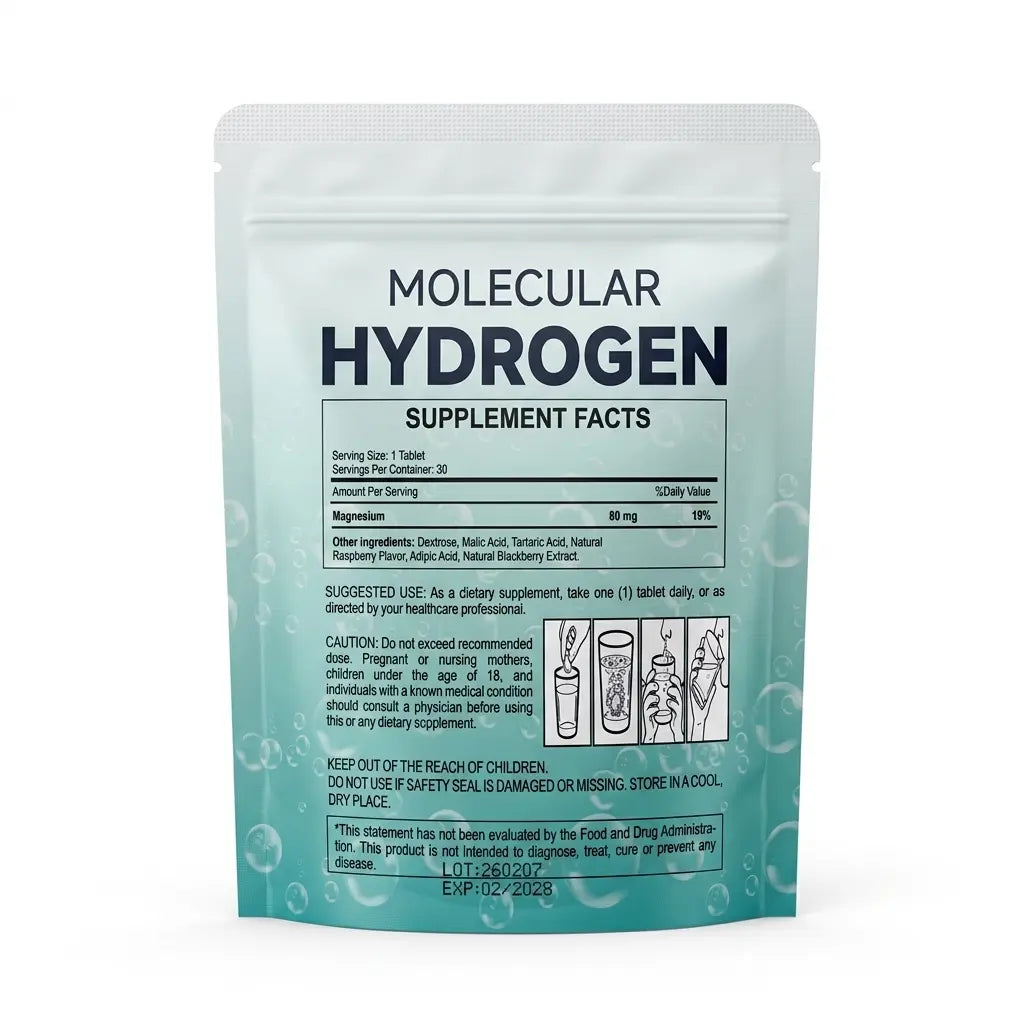
At HALE, we believe that wellness should be grounded in rigorous evidence rather than hype. Our mission is to provide the highest concentration of H2 possible in a convenient, portable format. By dropping one of our H2 tablets into a glass of water, you create a high-ppm solution that is ready to drink in minutes, providing a science-backed tool for your daily wellness toolkit.
Frequently Asked Questions
Is molecular hydrogen safe for daily use?
Yes, molecular hydrogen has been studied extensively and is generally recognized as safe (GRAS) by the FDA. It has been used in deep-sea diving gas mixes since the 1940s at much higher concentrations than those found in hydrogen water, with no known toxic effects. Since H2 is a natural gas produced by intestinal bacteria, the body is already familiar with its presence.
How does H2 differ from alkaline water?
Alkaline water refers to the pH level of the water, whereas hydrogen water refers to the concentration of dissolved molecular hydrogen gas. While some alkaline ionizers produce small amounts of H2, the concentration is often much lower than what is achieved with dedicated hydrogen tablets. It is the H2 gas, not the pH, that provides the selective antioxidant benefits discussed in research.
When is the best time to take molecular hydrogen?
While H2 can be taken at any time, many users find it most beneficial in the morning to support daily energy and focus, or immediately following exercise to support recovery. Because the gas dissipates over time, it is best to drink the water within 15-20 minutes of the tablet dissolving.
Can I get enough hydrogen from my diet?
While certain fiber-rich foods can encourage your gut bacteria to produce hydrogen gas, the levels produced are often inconsistent and may not reach the therapeutic concentrations seen in clinical studies. Supplementing with hydrogen-rich water provides a controlled, high-concentration dose that ensures systemic distribution.
Does molecular hydrogen interfere with other supplements?
There is currently no evidence to suggest that H2 interferes with other vitamins or supplements. In fact, because it may support cellular function and mitochondrial health, it may complement a well-rounded nutritional regimen.
How many tablets should I take per day?
Most research suggests that 1-2 servings of high-concentration hydrogen water per day are sufficient to support cellular wellness. However, individual needs may vary based on activity levels and personal wellness goals.
Sources
- https://pubmed.ncbi.nlm.nih.gov/17486089/
- https://www.ncbi.nlm.nih.gov/pmc/articles/PMC4610055/
- https://pubmed.ncbi.nlm.nih.gov/29463130/
- https://www.scirp.org/journal/paperinformation.aspx?paperid=43934
Disclaimer: These statements have not been evaluated by the Food and Drug Administration. HALE products are not intended to diagnose, treat, cure, or prevent any disease. Always consult a qualified healthcare provider before starting any new supplement, especially if you have a medical condition or are taking medication.