The Rise of Molecular Hydrogen: Choosing the Right Path
In the rapidly evolving landscape of longevity and wellness, molecular hydrogen (H2) has emerged as a cornerstone molecule for those seeking to optimize cellular health, support cognitive function, and accelerate post-exercise recovery. As the smallest molecule in the universe, hydrogen possesses a unique ability to rapidly diffuse across cellular membranes and penetrate the blood-brain barrier. However, because molecular hydrogen is a gas, delivering it to your cells in a practical, effective, and consistent manner presents a unique biochemical challenge.
Today, wellness-conscious adults are faced with a variety of delivery methods, ranging from pre-packaged canned waters and expensive home filtration machines to portable inhalation units and effervescent tablets. If you are looking to integrate this powerful molecule into your daily routine, understanding how these methods compare is essential. In this guide, we will break down the science of hydrogen delivery, comparing the efficiency, concentration, convenience, and cost of each method so you can make an informed choice for your daily vitality.
The Delivery Challenge: Why Concentration Matters
To understand why different hydrogen delivery methods yield vastly different results, we must first look at the physics of gas dissolution. Molecular hydrogen is highly volatile. Because of its microscopic molecular size, it escapes from open containers rapidly and can even pass through the molecular structures of plastic, glass, and some metals over time. Therefore, the primary goal of any high-quality hydrogen product is to deliver a therapeutic concentration of the gas directly to your cells before it dissipates into the air.
Scientific literature suggests that the physiological benefits of hydrogen are dose-dependent. In clinical research, concentration is typically measured in parts per million (ppm) or milligrams per liter (mg/L). While early studies observed positive cellular support at lower levels, modern research increasingly points to the superior benefits of higher concentrations. To explore this concept in depth, you can read more about why high-concentration molecular hydrogen matters for achieving noticeable, systemic results.
Comparing Hydrogen Tablets vs. Pre-Bottled Hydrogen Water
One of the most common ways people first encounter hydrogen is through pre-packaged, ready-to-drink hydrogen water sold in cans or aluminum pouches. While convenient at first glance, this method has significant limitations when compared to fresh generation.
The Shelf-Life and Diffusion Dilemma
Because hydrogen gas is incredibly small, it easily penetrates the seals of standard bottles and cans. From the moment a pre-packaged hydrogen beverage is manufactured, packaged, shipped, and stored on a retail shelf, the hydrogen content begins to decline. Even in specialized aluminum packaging, the concentration of hydrogen can drop significantly by the time it reaches the consumer, often leaving only trace amounts of the active gas behind.
Concentration and Freshness
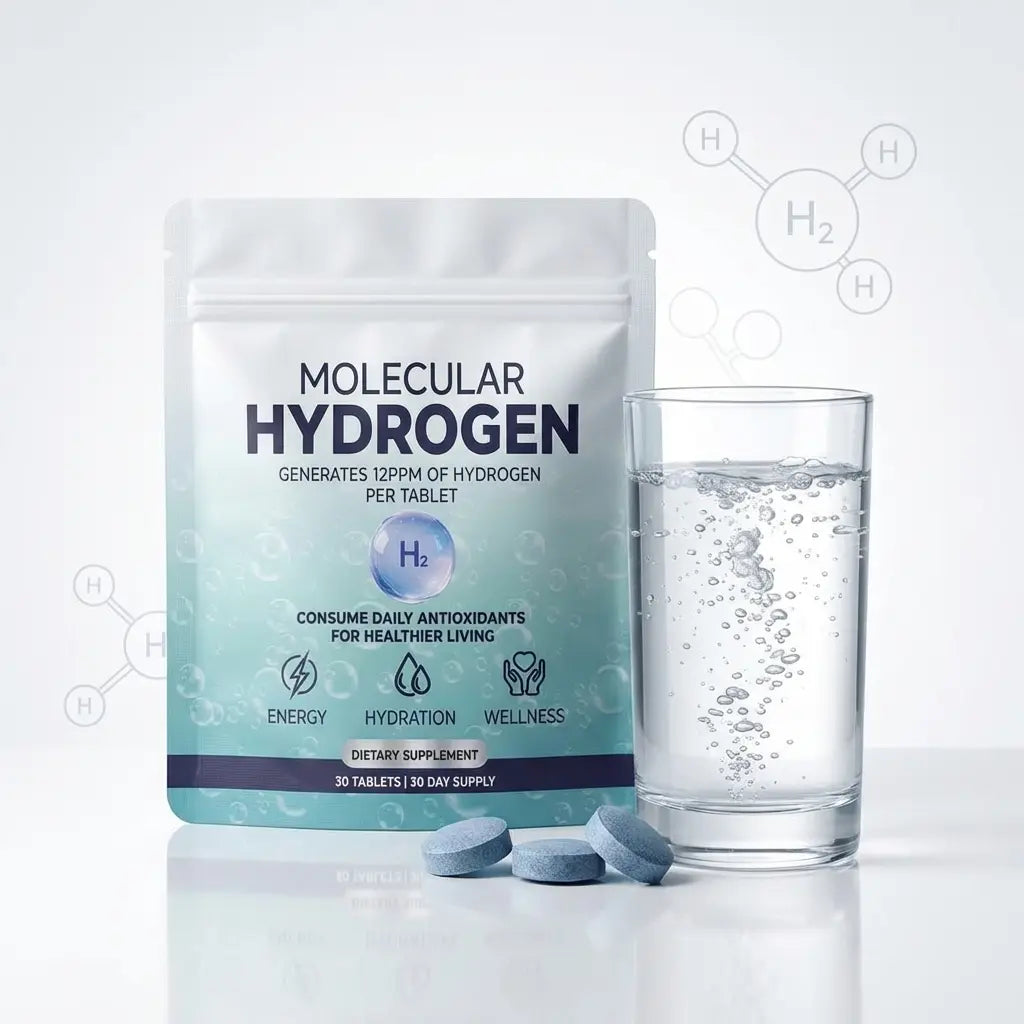
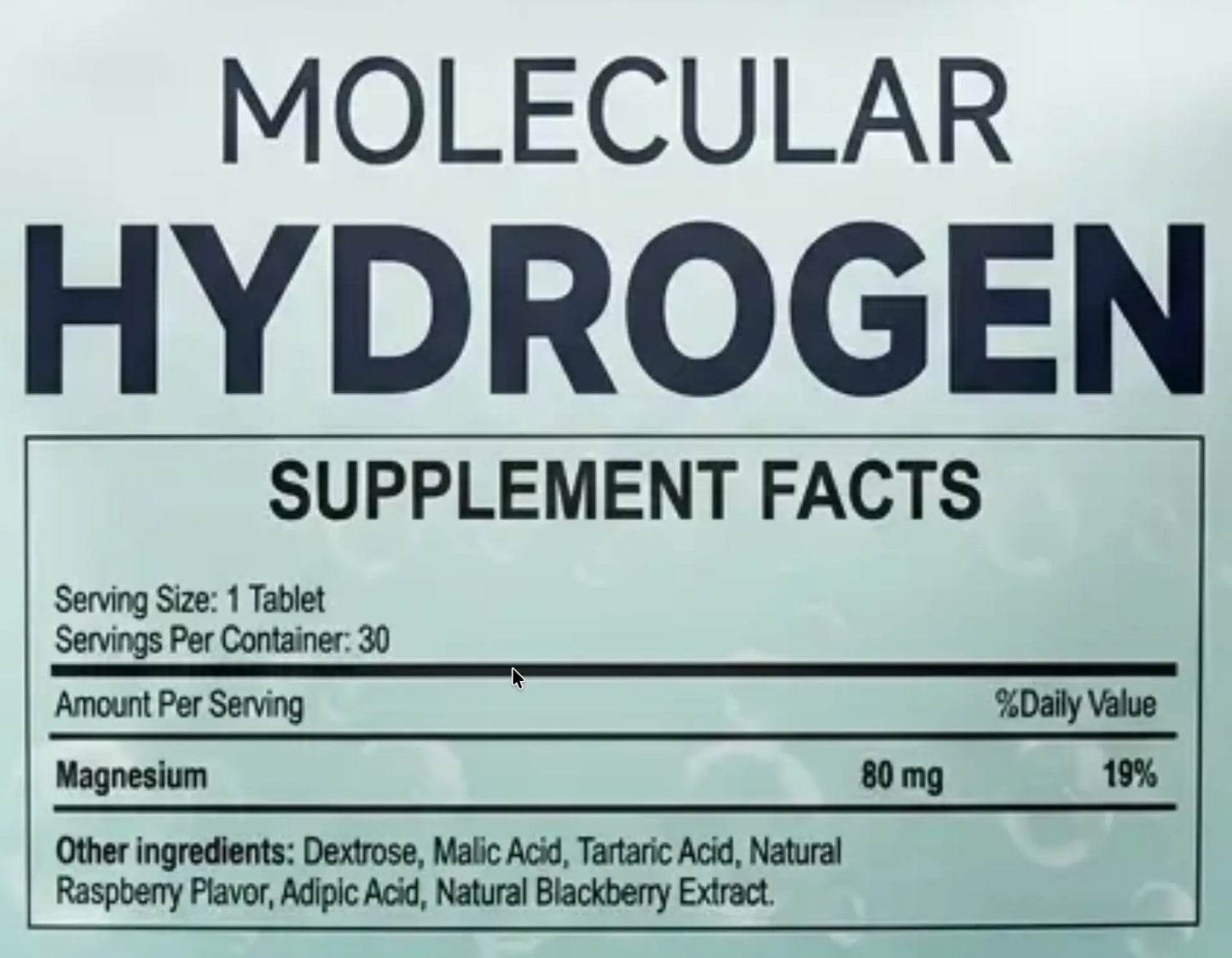
In contrast, effervescent H2 tablets are designed to generate the gas on demand. When you drop a tablet into water, a chemical reaction occurs between elemental magnesium and water, producing millions of microscopic, highly concentrated bubbles of pure hydrogen gas. Because you drink the water immediately after the tablet dissolves, you receive the maximum possible concentration before any gas has the chance to escape. For a deeper dive into these differences, check out our article on molecular hydrogen vs. hydrogen water.
Comparing Hydrogen Tablets vs. Hydrogen Inhalers
Hydrogen inhalation therapy is another popular method, particularly in clinical settings and high-end wellness clinics. Inhalation units use electrolysis to split water into hydrogen and oxygen gases, which are then inhaled through a nasal cannula.
Portability and Daily Convenience
While inhalation is highly effective for delivering large volumes of gas directly to the respiratory system, it lacks the convenience required for an active lifestyle. High-quality, medical-grade inhalation machines are bulky, require a power outlet, and often cost thousands of dollars. Sitting attached to a machine for 30 to 60 minutes a day is simply not feasible for most busy adults. Conversely, portable hydrogen tablets can be carried in a pocket or gym bag, allowing you to create fresh, therapeutic-grade hydrogen water anywhere, whether you are at the office, traveling, or at the gym.
Systemic vs. Targeted Absorption
Inhalation primarily delivers hydrogen through the lungs into the bloodstream. While this is excellent for systemic circulation, drinking hydrogen-rich water created by tablets offers unique benefits for the digestive system and metabolic health. When you drink hydrogen water, the gas interacts directly with the gut microbiota and stimulates the secretion of ghrelin, a hormone that research suggests may support neuroprotective pathways and metabolic balance. Thus, for daily metabolic and cognitive support, drinking dissolved hydrogen gas remains a highly favored method.
Comparing Hydrogen Tablets vs. Water Ionizers and Electrolysis Machines
For many years, home water ionizers and alkaline water machines were the standard home solution for generating hydrogen. These devices plug into your kitchen plumbing and use electrolysis plates to generate hydrogen gas in real-time.
Maintenance, Mineral Buildup, and Cost
While home ionizers provide a continuous stream of water, they require a substantial upfront investment, often ranging from $1,500 to over $5,000. Additionally, these machines require meticulous maintenance. Over time, calcium and other minerals from your tap water build up on the electrolysis plates, which drastically reduces their ability to generate hydrogen gas. Without frequent descaling, a machine that once produced moderate levels of hydrogen may eventually produce almost none, despite the water still tasting clean.
Consistent and Precise Dosing
Effervescent tablets bypass the maintenance and mineral buildup issues entirely. Each tablet contains a precise dose of elemental magnesium, ensuring a consistent, repeatable concentration of hydrogen every single time, regardless of your local water mineral content. This predictability is why researchers frequently utilize tablets in clinical trials to ensure standardized dosing for study participants.
Why Effervescent Tablets Offer the Optimal Wellness Experience
When evaluating all available methods, effervescent tablets consistently emerge as the most practical, powerful, and scientifically sound choice for daily wellness. By utilizing a simple reaction of pharmaceutical-grade magnesium and water, tablets are able to achieve supersaturated concentrations of hydrogen—often reaching 4 to 8 ppm in a standard glass of water, which is far higher than the 1.0 to 1.6 ppm typically found in pre-packaged waters or home ionizers.
At HALE, about HALE and our dedication to efficacy, we focus on delivering the highest possible quality and concentration. Our team relies on a rigorous scientific review process to ensure every product we offer meets the highest standards of safety and performance. You can learn more about our editorial standards and meet the HALE Research Team to see how we translate complex molecular science into practical daily wellness tools.
By choosing HALE molecular hydrogen tablets, you are opting for a delivery system that maximizes bioavailability, ensures freshness, fits seamlessly into a busy schedule, and provides a precise, therapeutic dose to support your cellular health and daily vitality.
Frequently Asked Questions
Can I swallow molecular hydrogen tablets directly?
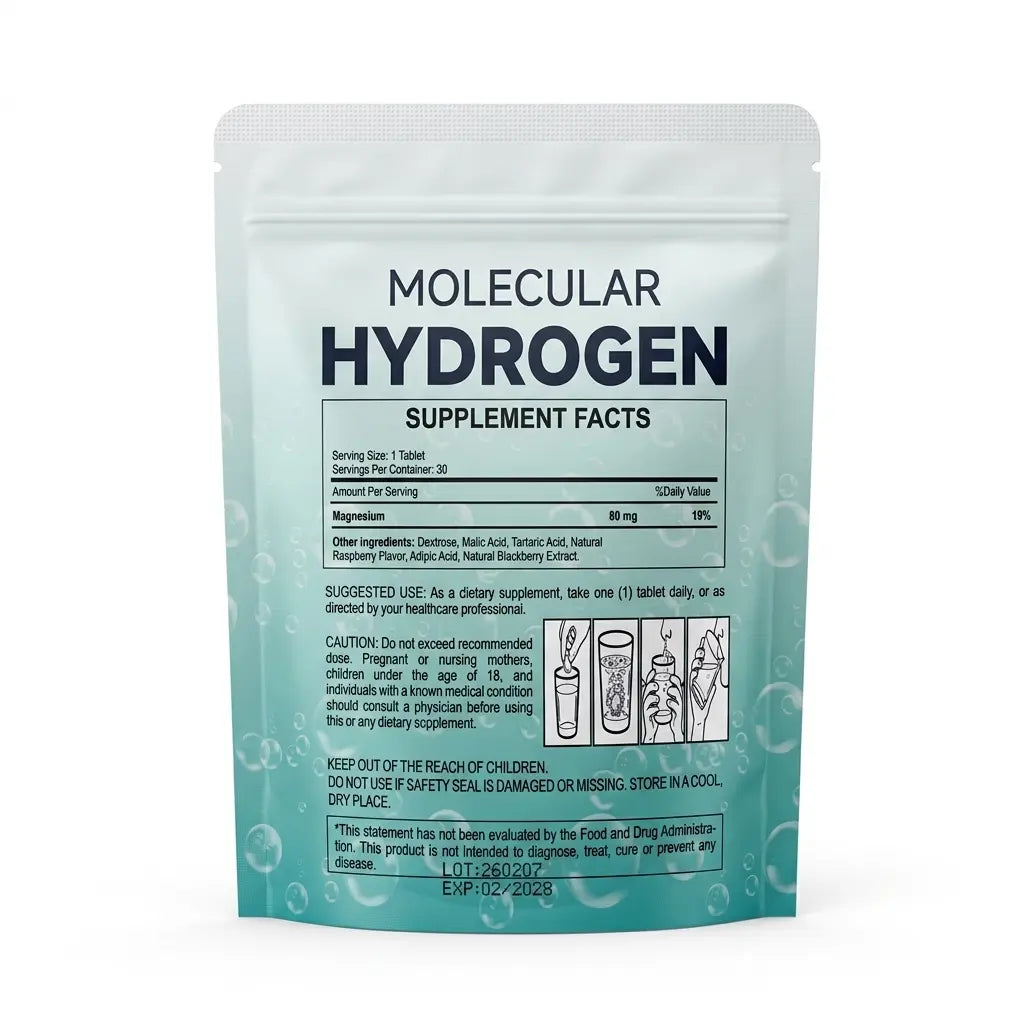
No, you should never swallow molecular hydrogen tablets directly. The tablets are specifically formulated to react with water to generate hydrogen gas. They must be fully dissolved in a glass of water (typically 12-16 ounces) before drinking to ensure the gas is safely dissolved in the liquid.
How long does the hydrogen stay in the water after the tablet dissolves?Because hydrogen is a highly volatile gas, it will gradually escape into the air once the tablet has finished dissolving. For the maximum benefit, we recommend drinking the hydrogen water within 15 to 20 minutes of preparation. Keeping the water in a sealed, airtight container can help slow the escape of the gas if you cannot drink it immediately.
Are there any side effects to taking molecular hydrogen tablets?Molecular hydrogen has an outstanding safety profile, with hundreds of clinical studies showing no major adverse side effects. The primary active mineral used to generate the hydrogen gas is magnesium. While highly beneficial for overall health, consuming extremely high amounts of magnesium can sometimes have a mild laxative effect in sensitive individuals. We recommend starting with one tablet daily to see how your body responds.
Can I use warm or hot water to dissolve the tablets?It is best to use cold or room-temperature water. The solubility of gases like molecular hydrogen decreases as water temperature increases. Using cold water helps the hydrogen gas remain dissolved in the liquid longer, providing a higher concentration for you to consume.
How many tablets should I use each day?
For general wellness, cellular support, and cognitive clarity, most users find that taking 1 to 2 tablets per day is ideal. Many choose to take one tablet in the morning for sustained focus and energy, and another in the afternoon or after a workout to support muscle recovery and combat exercise-induced oxidative stress.
Sources
- https://pubmed.ncbi.nlm.nih.gov/17486089/
- https://pubmed.ncbi.nlm.nih.gov/32698435/
- https://pubmed.ncbi.nlm.nih.gov/23610159/
- https://pubmed.ncbi.nlm.nih.gov/22147061/
Disclaimer: These statements have not been evaluated by the Food and Drug Administration. HALE products are not intended to diagnose, treat, cure, or prevent any disease. Always consult a qualified healthcare provider before starting any new supplement, especially if you have a medical condition or are taking medication.