The human gastrointestinal tract is a complex ecosystem responsible for much more than simply breaking down food. Often referred to as the body’s “second brain,” the gut regulates metabolic balance, houses roughly 70% of the immune system, and interacts constantly with the central nervous system. However, modern stressors—such as processed diets, environmental toxins, poor sleep, and psychological stress—can overload the digestive system, promoting cellular oxidative stress and disrupting microbial harmony.
As health-conscious adults look for evidence-based ways to maintain digestive vitality, molecular hydrogen (H2) has emerged as an intriguing subject of scientific research. As the smallest and lightest molecule in existence, elemental hydrogen possesses unique biological properties, including the ability to cross cellular membranes effortlessly. Emerging studies suggest that molecular hydrogen may support gut integrity, nourish beneficial microflora, and maintain a balanced inflammatory response within the digestive system.
The Cellular Gut Landscape: Oxidative Stress and Digestion
To understand how molecular hydrogen interacts with the digestive system, it is essential to look at what happens at the cellular level inside the gut lining. The intestinal epithelium is a single layer of cells forming a physical barrier between the lumen (the interior space of the gastrointestinal tract) and the bloodstream. This fragile barrier must allow nutrients to pass through while keeping unabsorbed food particles, toxins, and pathogenic microbes out.
When cells in the gastrointestinal lining undergo metabolic strain, they generate excessive reactive oxygen species (ROS), commonly known as free radicals. While moderate levels of ROS act as essential signaling molecules, an overproduction leads to oxidative stress. In the gut, uncontrolled oxidative stress can damage cellular lipids, proteins, and DNA, compromising the structural integrity of the intestinal wall and destabilizing the delicate balance of the gut microbiome.
The Role of Selective Antioxidants
Conventional antioxidants like Vitamin C or Vitamin E play a role in biological health, but their large molecular size and non-selective nature can sometimes limit their targeted efficacy within cellular microenvironments. Furthermore, neutralizing all free radicals indiscriminately can interfere with beneficial signaling molecules like nitric oxide and hydrogen peroxide, which the body uses for biological control.
Molecular hydrogen operates differently. Research indicates that molecular hydrogen functions as a selective antioxidant. It specifically targets the most damaging hydroxyl radicals (•OH) while leaving essential, biologically necessary ROS intact. Because hydrogen gas is tiny and non-polar, it diffuses freely across cellular walls and into the mitochondria of mucosal cells, delivering targeted defense right where metabolic stress originates. You can read more about these fundamental mechanics in our article on understanding molecular hydrogen selective oxidation.
How Molecular Hydrogen Interacts with Gut Microbiota
The human gut is home to trillions of microorganisms collectively known as the gut microbiota. A diverse, well-balanced microbiome supports nutrient absorption, synthesizes essential vitamins, and produces short-chain fatty acids (SCFAs) like butyrate, acetate, and propionate, which feed the cells lining the colon.
Endogenous Hydrogen vs. Exogenous Supplementation
Interestingly, hydrogen gas is not completely foreign to the human digestive tract. Certain anaerobic intestinal bacteria, such as strains of Bacteroides and Clostridium, naturally produce hydrogen gas through the fermentation of dietary fibers. This endogenous hydrogen serves as an energy substrate for other beneficial microbes, known as hydrogenotrophs, which convert hydrogen into beneficial SCFAs.
However, when gut dysbiosis occurs—whether due to antibiotic use, dietary imbalances, or stress—endogenous hydrogen production can fluctuate significantly. Administering exogenous hydrogen gas, such as through water infused with molecular hydrogen, provides a direct source of H2 into the gastrointestinal system. Preclinical studies suggest that introduced hydrogen gas may foster an favorable oxidation-reduction (redox) environment in the gut lumen, encouraging the growth of healthy probiotic strains while maintaining metabolic harmony across the microbial ecosystem.
Supporting Intestinal Barrier Integrity and Inflammation
Maintaining a strong, resilient intestinal barrier is fundamental to overall wellness. The cells of the intestinal lining are held together by specialized multiprotein complexes called tight junctions (including proteins such as occludin, claudins, and zonula occludens-1). When tight junction signaling is disrupted by oxidative stress, mucosal permeability increases, allowing unwanted metabolic byproducts to enter systemic circulation.
Research suggests that molecular hydrogen may support tight junction structure by modulating key cellular signaling cascades. In animal and cellular models, molecular hydrogen administration has been shown to encourage the Nrf2 pathway—a master regulator of the body’s internal antioxidant defenses—while helping modulate NF-κB signaling, a central pathway involved in the inflammatory response.
By supporting cellular signaling and mitigating hydroxyl radical damage, hydrogen gas may help maintain normal epithelial barrier function. This downstream effect aligns closely with broader systemic outcomes; for a deeper look into systemic metabolic balance, explore our guide on molecular hydrogen metabolic health science.
Practical Implementation: Integrating Molecular Hydrogen into Your Routine
For individuals seeking to incorporate molecular hydrogen into their daily wellness routine for digestive support, convenience and concentration are paramount considerations. While hydrogen gas can be inhaled or administered in clinical settings, consuming hydrogen-rich water is the most practical, accessible method for daily digestive support.
Why High-Concentration Molecular Hydrogen Tablets Matter
Hydrogen gas is notoriously difficult to trap in liquid because it is extremely light and naturally wants to escape into the atmosphere. Simple bubbled hydrogen water products often contain low, unstable concentrations that quickly dissipate before reaching the gastrointestinal tract.
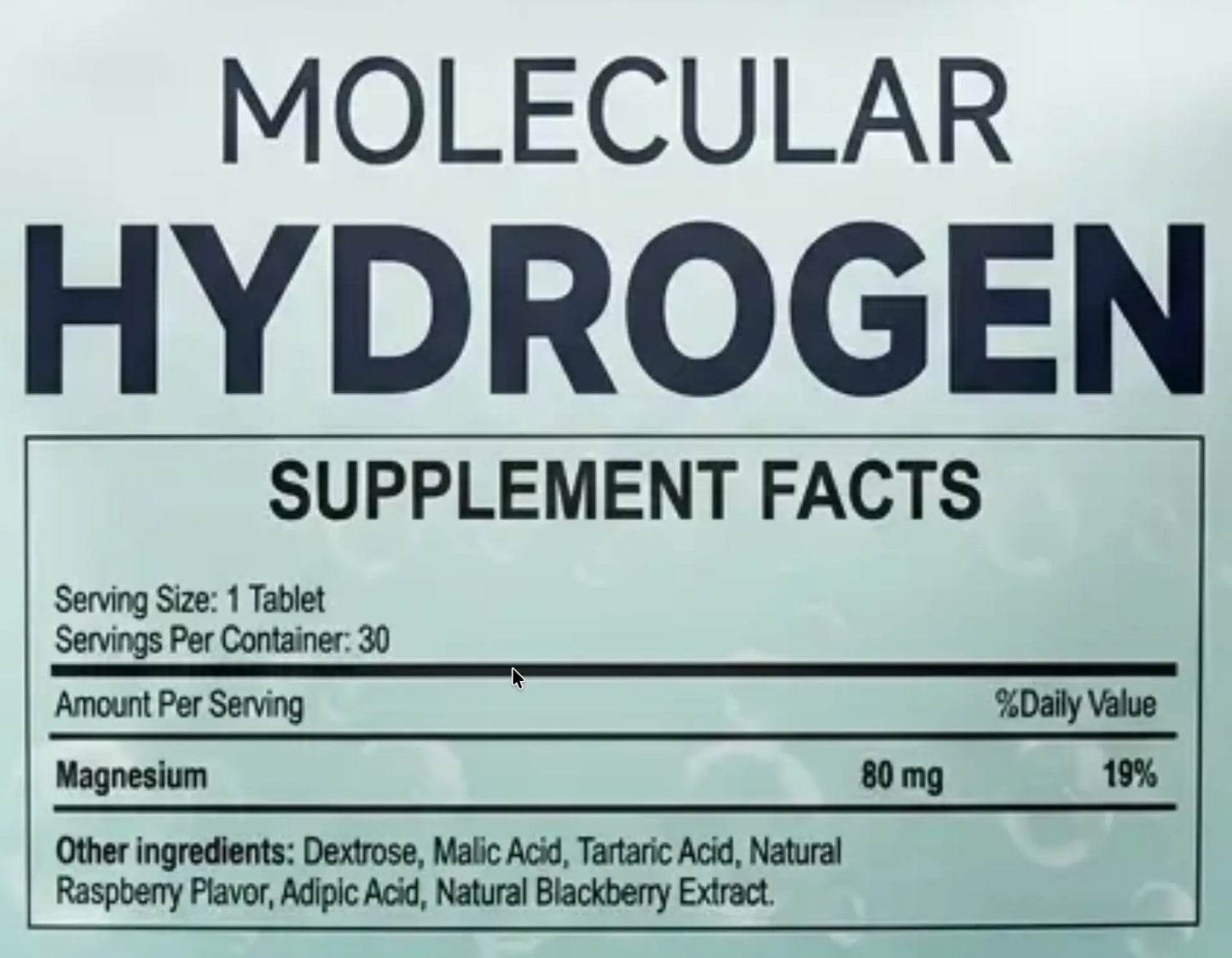
Using advanced HALE molecular hydrogen tablets offers a high-yield solution. When dissolved in water, these specialized tablets undergo a reaction that generates a supersaturated solution of dissolved H2 gas. Consuming this hydrogen-rich water delivers a concentrated amount of hydrogen directly to the stomach and upper intestinal tract, where it can rapidly diffuse into surrounding epithelial tissues.
Daily Best Practices for Digestive Wellness
- Morning Routine: Drink hydrogen-rich water first thing in the morning on an empty stomach. This allows the dissolved H2 gas to interact directly with the gastric mucosal lining without competition from food particles.
- Consistency: Incorporate high-concentration hydrogen tablets into your daily schedule to maintain consistent cellular redox balance throughout the digestive tract.
- Synergy with Probiotics and Fiber: Combine molecular hydrogen supplementation with a balanced diet rich in prebiotic fibers and fermented foods to provide optimal nourishment for your native microbial flora.
- Quality Standards: Choose products verified for therapeutic concentration and safety. At HALE, transparency drives our approach to science, ensuring every batch meets rigorous quality benchmarks overseen by our editorial process.
By making concentrated H2 tablets a standard element of your hydration habits, you can directly support your digestive ecosystem with clean, targeted cellular defense.
Frequently Asked Questions
Is molecular hydrogen safe for daily gut health support?
Yes. Molecular hydrogen has a remarkably strong safety profile. Hydrogen gas is naturally produced by human gut microflora during normal digestion, making it a molecule that the body is inherently familiar with. Scientific studies across various biological parameters consistently demonstrate that molecular hydrogen carries no known toxicity, even at high concentration levels.
How does molecular hydrogen differ from regular antioxidants for gut wellness?
Unlike traditional antioxidants, molecular hydrogen acts selectively. It targets cytotoxic hydroxyl radicals without neutralizing beneficial signaling molecules that cells need for biological communication. Additionally, because hydrogen is the smallest molecule in the universe, it can rapidly cross cell membranes and reach intracellular compartments like the mitochondria and nucleus, where larger antioxidants cannot easily enter.
Can molecular hydrogen replace probiotics or digestive enzymes?
No. Molecular hydrogen is not a replacement for probiotics, prebiotics, or digestive enzymes; rather, it works synergistically with them. Probiotics supply beneficial live bacteria, enzymes help break down macronutrients, and molecular hydrogen helps maintain a balanced oxidative and redox environment within the intestinal tract that supports healthy gut cell function.
What is the best time of day to drink hydrogen water for gut support?
Many individuals find the greatest benefit by drinking hydrogen-rich water on an empty stomach, particularly first thing in the morning or between meals. This ensures rapid transit through the stomach and allows molecular hydrogen to interact directly with the gastrointestinal mucosal lining without digestion delays.
How long does it take to notice the benefits of molecular hydrogen on gut health?
Individual responses vary based on baseline diet, stress levels, and gut status. Some people report subtle improvements in digestive comfort and general vitality within a few days of consistent daily use, while physiological balance at the cellular and microbial level develops progressively over several weeks of continuous supplementation.
Sources
- https://pubmed.ncbi.nlm.nih.gov/17486089/
- https://pubmed.ncbi.nlm.nih.gov/32288288/
- https://pubmed.ncbi.nlm.nih.gov/24070018/
- https://pubmed.ncbi.nlm.nih.gov/30100497/
Disclaimer: These statements have not been evaluated by the Food and Drug Administration. HALE products are not intended to diagnose, treat, cure, or prevent any disease. Always consult a qualified healthcare provider before starting any new supplement, especially if you have a medical condition or are taking medication.