Metabolic health is more than just a number on a scale; it is the fundamental process of how our cells turn food into usable energy. As we navigate our 30s, 40s, and 50s, maintaining this metabolic efficiency becomes crucial for longevity, cognitive clarity, and daily vitality. Unfortunately, modern stressors, sedentary lifestyles, and natural aging can disrupt our metabolic pathways, leading to energy slumps and cellular fatigue.
Recently, a tiny but powerful molecule has captured the attention of researchers and longevity enthusiasts alike: molecular hydrogen (H2). Though simple, this microscopic gas exhibits unique physical and chemical properties that allow it to penetrate cellular membranes and support metabolic function at its core. In this article, we will explore the science-backed ways that molecular hydrogen may support metabolic health, helping you optimize your energy levels and cellular wellness from the inside out.
The Cellular Foundation: Metabolism and Mitochondria
To understand how molecular hydrogen works, we must first look at the powerhouse of our cells: the mitochondria. These tiny organelles are responsible for generating adenosine triphosphate (ATP), the primary energy currency of the body. When mitochondrial function declines, our metabolism can slow down, leading to feelings of sluggishness, reduced physical performance, and compromised metabolic resilience.
Research suggests that molecular hydrogen can easily cross the mitochondrial membrane due to its extremely small molecular size and neutral charge. Unlike larger antioxidants that struggle to reach the inner workings of the cell, H2 penetrates deep within the mitochondria. Once inside, it may support mitochondrial efficiency by promoting optimal electron transport and reducing the accumulation of metabolic waste products.
To learn more about this essential cellular mechanism, read our in-depth article on how molecular hydrogen supports mitochondrial health. By protecting these cellular powerhouses from premature decline, H2 may help maintain the robust energy production necessary for healthy metabolic function as we age.
Combating Oxidative Stress in Metabolic Pathways
Every metabolic process naturally generates waste products, including reactive oxygen species (ROS), commonly known as free radicals. Under normal circumstances, our bodies can neutralize these molecules using endogenous antioxidants. However, when we experience chronic stress, poor diet, or environmental toxins, the balance tips, leading to a state of chronic oxidative stress. This imbalance can disrupt metabolic pathways, damage cellular structures, and impair how our bodies process macronutrients like carbohydrates and fats.
Molecular hydrogen acts as a highly selective antioxidant. Unlike traditional antioxidants (such as high-dose Vitamin C or E) that may indiscriminately neutralize both harmful and beneficial free radicals, studies indicate that H2 selectively targets the most damaging free radicals, such as the cytotoxic hydroxyl radical. This selectivity is crucial because some free radicals act as important signaling molecules that tell our bodies how to adapt to exercise and stress.
By selectively reducing oxidative stress in metabolic tissues like the liver and skeletal muscle, molecular hydrogen may support the delicate balance required for smooth, efficient metabolic function without disrupting the body's natural adaptive signaling pathways.
Supporting Insulin Sensitivity and Healthy Glucose Pathways
One of the most critical aspects of metabolic health is how effectively our cells respond to insulin, the hormone responsible for clearing glucose from our bloodstream and delivering it to our cells for energy. When cells become less responsive to insulin, glucose levels can fluctuate, leading to energy crashes, brain fog, and long-term metabolic challenges.
Emerging clinical research suggests that hydrogen-rich water may support healthy insulin sensitivity. In a randomized, double-blind, placebo-controlled study published in metabolic research journals, participants who consumed hydrogen-rich water regularly showed positive trends in glucose metabolism and lipid profiles. The researchers hypothesized that H2 helps mitigate the oxidative stress that typically impairs insulin receptor signaling.
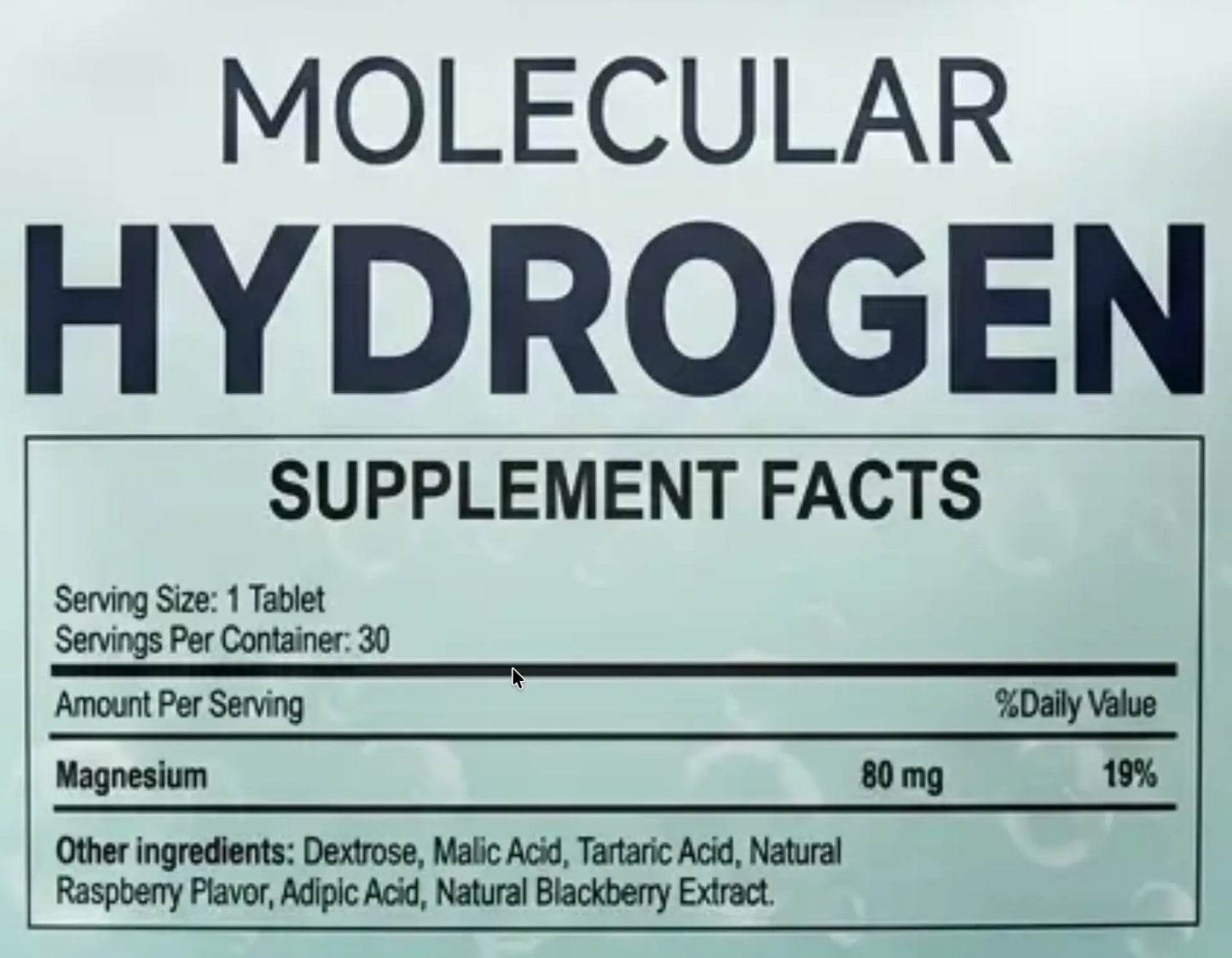
While more large-scale human trials are needed to fully map these pathways, the preliminary data indicates that incorporating HALE molecular hydrogen tablets into your daily wellness regimen may support your body's natural ability to manage glucose and maintain steady, balanced energy levels throughout the day.
Activating Key Metabolic Regulators: FGF21 and AMPK
Beyond its role as a selective antioxidant, molecular hydrogen appears to act as a cellular signaling molecule that can trigger beneficial metabolic pathways. Specifically, animal and clinical research suggests that H2 may stimulate the expression of Fibroblast Growth Factor 21 (FGF21), a hormone secreted by the liver that plays a major role in regulating energy expenditure, glucose uptake, and lipid metabolism.
Additionally, studies indicate that molecular hydrogen may influence the activation of adenosine monophosphate-activated protein kinase (AMPK). Often referred to as the body's "metabolic master switch," AMPK is activated during periods of energy depletion, such as fasting or intense exercise, to promote fat oxidation and glucose uptake. By naturally supporting the activation of these pathways, drinking water infused with hydrogen tablets may help mimic some of the cellular benefits associated with physical activity and caloric restriction, supporting long-term metabolic resilience and healthy aging.
Practical Application: Incorporating H2 into Your Longevity Routine
If you are looking to support your metabolic health, consistency is key. While a nutrient-dense diet, regular physical activity, and quality sleep form the foundation of metabolic wellness, adding molecular hydrogen to your routine is a simple, science-backed way to elevate your daily habits.
At HALE, our approach to science ensures that we prioritize high-concentration, bioavailable delivery systems. Standard hydrogen water bottles often lose their gas concentration quickly due to the volatile nature of H2. Using high-dose H2 tablets dissolved in open water creates a dense cloud of molecular hydrogen that is easily absorbed by your body, ensuring you get the clinical-grade concentration necessary to support your cellular health.
Our editorial standards and review process, overseen by the HALE Research Team, ensure that we only share wellness insights backed by rigorous, peer-reviewed science. For a deeper dive into the clinical literature surrounding this topic, you can read our comprehensive molecular hydrogen and metabolic health review.
Frequently Asked Questions
How does molecular hydrogen support metabolic health?
Molecular hydrogen (H2) supports metabolic health primarily by acting as a selective antioxidant, reducing oxidative stress in key metabolic organs like the liver and muscles. It also supports mitochondrial function, helping your cells generate energy more efficiently, and may influence metabolic signaling pathways like AMPK and FGF21.
Can I take molecular hydrogen tablets every day?
Yes, molecular hydrogen is highly tolerated, and daily consumption is widely supported by research. Many people find that drinking water infused with H2 tablets first thing in the morning or before exercise provides the most consistent support for daily vitality and metabolic function.
Is there scientific evidence for hydrogen water and metabolism?
Yes, several clinical trials and animal studies suggest that hydrogen-rich water can support healthy lipid profiles, promote insulin sensitivity, and assist in managing oxidative stress. While more large-scale human studies are ongoing, the existing body of research is highly promising.
Does molecular hydrogen help with weight management?
Molecular hydrogen is not a weight-loss drug or a magic pill. However, by supporting mitochondrial efficiency, activating metabolic regulators like FGF21, and helping to manage oxidative stress, it may serve as an excellent supportive tool alongside a balanced diet and regular exercise routine.
How do molecular hydrogen tablets compare to pre-packaged hydrogen water?
Molecular hydrogen is a highly volatile gas that easily escapes through plastic or glass packaging. Tablets that dissolve in water right before consumption generate a fresh, highly concentrated dose of H2, ensuring you receive the maximum therapeutic potential compared to pre-packaged options that may have lost their hydrogen content on the shelf.
Sources
- https://pubmed.ncbi.nlm.nih.gov/21251662/
- https://pubmed.ncbi.nlm.nih.gov/17534032/
- https://pubmed.ncbi.nlm.nih.gov/20351185/
- https://pubmed.ncbi.nlm.nih.gov/22146044/
Disclaimer: These statements have not been evaluated by the Food and Drug Administration. HALE products are not intended to diagnose, treat, cure, or prevent any disease. Always consult a qualified healthcare provider before starting any new supplement, especially if you have a medical condition or are taking medication.