Stepping off a long-haul flight into a fresh time zone is exhilarating, but the physical reality often catches up quickly. The combination of cabin pressure changes, artificial light, altered meal schedules, and disrupted circadian rhythms frequently manifests as jet lag—a state characterized by grogginess, brain fog, fatigue, and unsettled digestion. While light exposure and strategic hydration remain foundational travel advice, emerging wellness science highlights a powerful cellular ally for travelers: molecular hydrogen (H2).
As the universe's smallest molecule, molecular hydrogen possesses unique physiological properties that allow it to penetrate cellular membranes rapidly. Emerging research suggests that molecular hydrogen may support the body's natural resilience against travel-induced physiological stress. In this guide, we examine the science behind circadian disruption, how molecular hydrogen interacts with cellular pathways, and how you can incorporate it into your travel routine for smoother transitions across time zones.
The Biology of Jet Lag: Circadian Disruption and Cellular Stress
Jet lag is more than just feeling tired at an inappropriate time; it represents a profound desynchronization between your internal biological clock and the external environment. Every cell in your body operates on a master circadian rhythm governed by the suprachiasmatic nucleus (SCN) in the brain's hypothalamus. This master clock regulates hormone secretion, body temperature, metabolic function, and cellular repair processes.
When you rapidly cross multiple time zones, your central clock in the brain and peripheral clocks in organs like the liver and gut fall out of sync. This circadian misalignment exerts a measurable biological strain on your body:
- Elevated Oxidative Stress: Irregular sleep schedules, high-altitude cabin environments, and increased cosmic radiation exposure during flights stimulate the overproduction of reactive oxygen species (ROS) in your cells.
- Mitochondrial Dysfunction: Disrupted sleep-wake cycles impair mitochondrial efficiency, leading to decreased cellular energy (ATP) production and resulting in persistent sluggishness.
- Systemic Fatigue & Brain Fog: Increased oxidative stress combined with poor sleep architecture compromises executive function, memory retention, and mental sharpness.
To recover effectively, the body must realign its circadian signals while simultaneously repairing cellular stress accumulated during travel. Reviewed according to our editorial process, recent literature emphasizes the importance of targeted antioxidants that mitigate oxidative damage without dampening necessary biological signals.
How Molecular Hydrogen Interacts with Travel Stress
Antioxidants are widely recognized for their role in neutralizing excess free radicals. However, traditional high-dose antioxidants (such as synthetic Vitamin C or E) can sometimes indiscriminately neutralize all free radicals, including useful signal molecules needed for normal cellular communication. Molecular hydrogen stands out because it functions as a selective antioxidant.
1. Selective Neutralization of Harmful Oxidants
Research indicates that molecular hydrogen selectively neutralizes the most cytotoxic oxygen radicals, specifically the hydroxyl radical (•OH) and peroxynitrite (ONOO-). Hydroxyl radicals are particularly destructive because your body lacks dedicated enzymatic pathways to neutralize them. By converting these harmful radicals directly into water (H2O), hydrogen helps preserve delicate cellular structures, including lipid membranes and mitochondrial DNA, without disrupting helpful signaling molecules like hydrogen peroxide or nitric oxide.
2. High Diffusivity and Blood-Brain Barrier Penetration
Because H2 is extremely small and non-polar, it diffuses effortlessly through cell membranes and rapidly crosses the blood-brain barrier. Brain tissue is exceptionally susceptible to travel-related oxidative stress due to its high oxygen consumption and dense lipid content. By reaching neural tissues efficiently, molecular hydrogen may help protect neuronal integrity during periods of sleep deprivation and circadian shift. To understand how this impacts mental clarity, you can learn more about molecular hydrogen for cognitive resilience.
Supporting Energy, Mental Focus, and Circadian Realignment
Recovering from travel isn't simply about falling asleep at night; it is equally about waking up with sustained mental clarity and energy to perform during your local daytime hours.
Mitigating Brain Fog and Mental Fatigue
When cellular energy production dips due to mitochondrial stress, brain fog inevitably follows. Preliminary studies indicate that molecular hydrogen supports mitochondrial function by modulating key gene expressions related to oxidative phosphorylation and cellular energy metabolism. When cellular energy pathways remain supported, travelers often experience more steady daytime focus and reduced subjective fatigue.
Harmonizing Rest Rhythms
While molecular hydrogen is not a sedative, its ability to mitigate systemic inflammation and cellular stress may help create optimal conditions for natural sleep architecture. Studies suggest that reducing nighttime oxidative strain facilitates healthier parasympathetic nervous system tone—the "rest and digest" state necessary for restorative sleep. You can explore how molecular hydrogen may support sleep quality to better understand its relationship with rest cycles.
A Practical Travel Protocol with Molecular Hydrogen
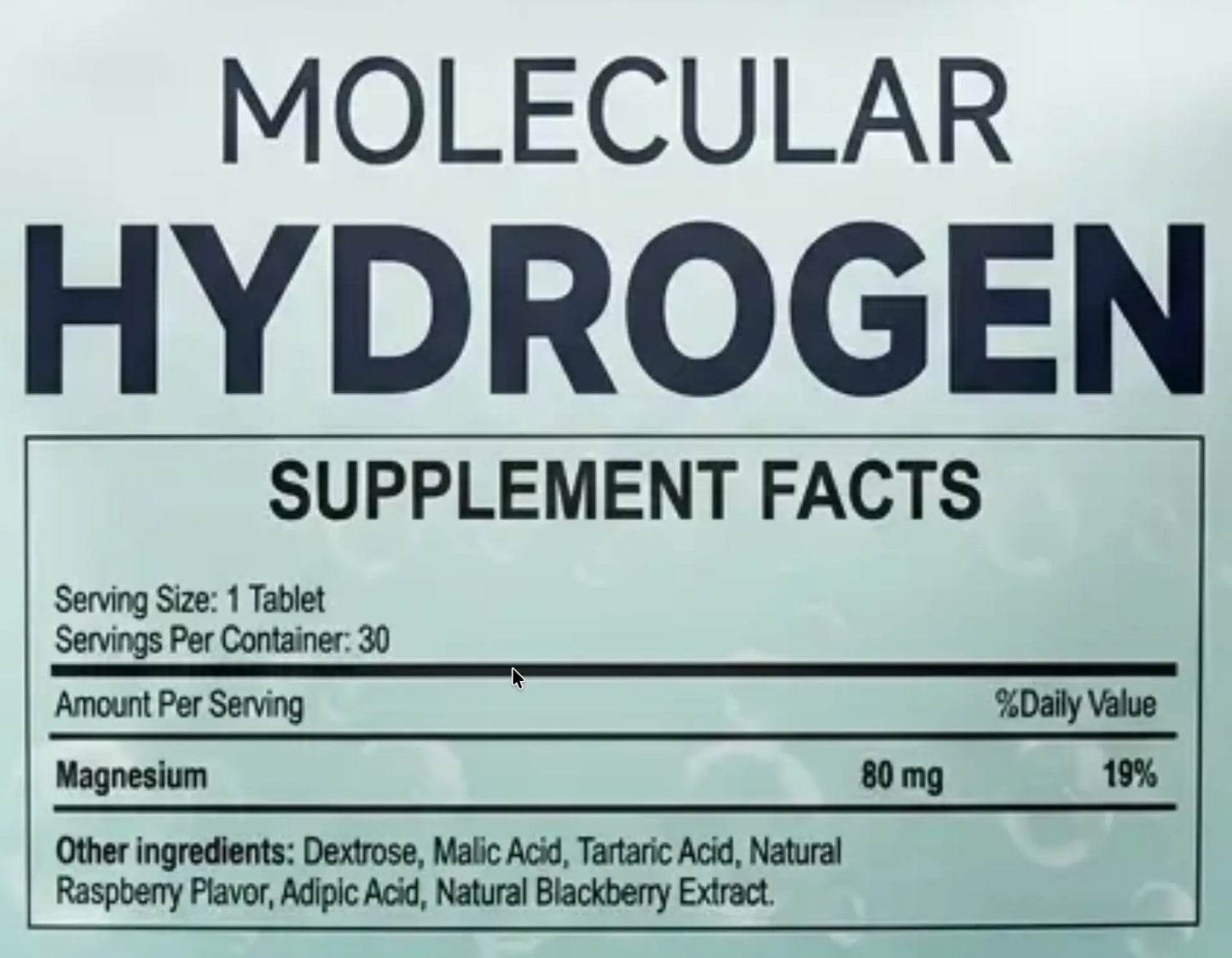
To maximize the potential benefits of molecular hydrogen during long-distance travel, strategic timing and convenient delivery methods are key. At HALE, our approach to science focuses on bioavailable formulations that fit seamlessly into busy lifestyles.
Pre-Flight Preparation
Start your travel protocol 24 hours before departure. Take a dose of molecular hydrogen in the morning to optimize baseline cellular antioxidant defenses before exposing your body to cabin air pressure and cosmic radiation.
In-Flight Support
Aircraft cabins feature extremely low humidity levels, which accelerates dehydration and amplifies physical fatigue. Incorporating convenient hydrogen tablets into your in-flight water routine allows you to combat both dehydration and cellular oxidative stress simultaneously. Dissolve one tablet in 8-12 oz of plain water, once a day.
Post-Arrival Reset
Upon landing at your destination, alignment strategies should focus on light exposure and circadian anchoring:
- Morning Arrival: Take HALE molecular hydrogen tablets immediately upon waking alongside 15 minutes of direct morning sunlight exposure to signal daytime wakefulness to your central clock.
- Evening Wind-Down: Keep the routine to the single morning tablet and let light exposure do the circadian work in the evening.
Summary: Expanding Your Longevity Toolkit for Travel
Jet lag is an unavoidable reality of modern global mobility, but severe brain fog and prolonged recovery times do not have to be. By understanding the underlying biology of circadian stress and leveraging selective antioxidants, travelers can take proactive control of their well-being. Molecular hydrogen offers an elegant, science-backed approach to supporting energy, focus, and recovery whenever your journey takes you across time zones.
Frequently Asked Questions
Can molecular hydrogen cure jet lag?
No dietary supplement cures or prevents jet lag. Jet lag is driven primarily by circadian desynchronization. However, studies indicate that molecular hydrogen may support cellular recovery, mitigate oxidative stress caused by travel, and help promote overall focus and daily vitality during your transition.
When is the best time to take molecular hydrogen tablets when traveling?
For best results, take hydrogen-rich water during the flight to stay hydrated, in the morning upon arrival to support daytime mental clarity, and in the early evening to encourage physical relaxation prior to sleep.
Is molecular hydrogen safe to consume while flying?
Yes. Molecular hydrogen dissolves harmlessly into plain water, producing a zero-calorie, non-toxic drink that carries no known side effects or sedative properties, making it an ideal companion for commercial travel.
How does molecular hydrogen differ from regular water or coffee for jet lag?
While coffee masks fatigue by temporarily blocking adenosine receptors in the brain, molecular hydrogen works at the cellular level by selectively neutralizing destructive ROS and supporting mitochondrial performance. Unlike excess caffeine, H2 does not cause jitters or interfere with nighttime sleep schedules.
Can I combine molecular hydrogen with melatonin?
Yes, molecular hydrogen does not interact negatively with melatonin. Many travelers use melatonin at night to signal sleeping hours to the brain while relying on molecular hydrogen throughout the day to support cellular energy and recovery.
Sources
- Ohsawa et al., Nature Medicine, 2007
- Hydrogen-rich water and alertness in sleep-deprived adults, 2021
- Hydrogen-rich water, mood and autonomic function, 2017
Disclaimer: These statements have not been evaluated by the Food and Drug Administration. HALE products are not intended to diagnose, treat, cure, or prevent any disease. Always consult a qualified healthcare provider before starting any new supplement, especially if you have a medical condition or are taking medication.