Molecular hydrogen (H2) has captured the attention of the longevity, fitness, and wellness communities. As the smallest molecule in the universe, it possesses a unique ability to rapidly penetrate cellular membranes, including the blood-brain barrier and mitochondria, where it may support cellular balance and energy production. But as interest in this selective antioxidant grows, so does the confusion surrounding how to consume it.
From expensive countertop machines and pre-packaged aluminum cans to portable inhalation devices and effervescent tablets, the options can be overwhelming. If you are looking to support your cellular health, daily energy, and post-exercise recovery, understanding how these methods compare is essential. In this guide, we will break down the science behind how molecular hydrogen tablets stack up against other popular delivery methods, helping you make an informed choice for your daily wellness routine.
The Science of Molecular Hydrogen Delivery
To understand why the delivery method matters, we must first look at the physical properties of molecular hydrogen gas. Because H2 is incredibly small and light, it does not naturally remain trapped in water for long. According to Henry’s Law, gas solubility in a liquid depends on temperature and pressure. In an open container, hydrogen gas will naturally dissipate into the atmosphere over time.
Therefore, the primary goal of any hydrogen delivery system is to get a meaningful concentration of H2 into a form that is easy to drink before the gas escapes. Researchers measure this concentration in parts per million (ppm) or milligrams per liter (mg/L). It is worth being clear about what those numbers do and do not tell you. The foundational human studies were run at roughly 0.5 to 1.3 ppm, and there is no good evidence that pushing the number far higher produces proportionally greater effects. The practical question is whether the hydrogen is still dissolved when you drink it, not whose label prints the biggest figure.
1. Molecular Hydrogen Tablets vs. Pre-Bottled Hydrogen Water
Pre-bottled hydrogen water is one of the most visible options on grocery store shelves. It is typically sold in aluminum cans or specialized pouches designed to prevent the gas from leaking. However, this method has significant limitations when compared to freshly prepared water using HALE molecular hydrogen tablets.
The Shelf-Life and Dissipation Problem
Because hydrogen is the smallest element, it can slowly pass through the molecular structure of plastic, glass, and even some metals over time. By the time a pre-packaged hydrogen beverage is manufactured, shipped, stored in a warehouse, and placed on a retail shelf, a substantial portion of the hydrogen gas may have already escaped. In contrast, using tablets lets you make hydrogen-rich water on demand, so the gas is dissolved at the moment you drink it rather than months earlier.
Environmental and Economic Costs
Consuming pre-bottled hydrogen water daily generates significant packaging waste and carries a high carbon footprint due to shipping heavy liquid. It is also highly uneconomical, often costing upwards of $3 to $5 per serving. Tablets offer a highly portable, eco-friendly alternative that reduces shipping weight to a fraction of a percent and costs significantly less per serving. For a deeper dive into these differences, read our article Molecular Hydrogen vs. Hydrogen Water: What You Need to Know.
2. Molecular Hydrogen Tablets vs. Hydrogen Water Machines
Countertop hydrogen water machines, also known as water ionizers or PEM (Proton Exchange Membrane) generators, are another popular choice for home use. While they offer the convenience of tap-side hydrogen water, they present several practical and scientific drawbacks compared to high-quality tablets.
Concentration Limits
Household hydrogen water machines dissolve a modest amount of gas, because the water passes through the unit quickly and there is little time for hydrogen to go into solution. On-demand hydrogen tablets use a chemical reaction between elemental magnesium and water instead, briefly supersaturating the glass. HALE tablets are specified to generate 12 PPM per tablet in 8-12 oz of water, the same figure printed on the pouch. We look at what that number is actually worth in what concentration in hydrogen water really tells you — the short version is that most tablet brands declare 8-16 PPM, so it is the norm for the format rather than a differentiator.
Maintenance, Cleaning, and Upfront Cost
Hydrogen machines require a significant upfront financial investment, often ranging from $1,000 to over $3,000. Additionally, they require regular maintenance, including filter replacements and descaling to prevent mineral buildup on the electrodes, which can rapidly degrade hydrogen production. If not cleaned meticulously, the internal tubing of these machines can also become a breeding ground for bacteria. Tablets require zero maintenance, no electricity, and no technical setup.
3. Molecular Hydrogen Tablets vs. Hydrogen Inhalation Therapy
Hydrogen inhalation therapy involves breathing in a mixture of hydrogen gas (usually 2% to 4%) through a nasal cannula connected to a specialized generator. This method is highly valued in clinical settings and by biohacking enthusiasts, but it serves a slightly different purpose than drinking hydrogen-rich water.
Systemic vs. Gastrointestinal Pathways
Inhalation delivers high volumes of H2 gas directly to the lungs, where it enters the bloodstream and quickly reaches organs like the brain and heart. While highly effective, it misses a unique physiological pathway triggered by drinking hydrogen water. Animal research has raised the possibility that ingesting hydrogen-rich water stimulates the secretion of gastric ghrelin, a peptide hormone involved in metabolic signalling. Whether this stomach-to-brain pathway matters in people who drink hydrogen water is not established, and it is one reason drinking and inhaling are studied as separate routes rather than interchangeable ones.
Convenience and Portability
Inhalation machines are bulky, expensive, and require you to remain tethered to a device for 30 to 60 minutes per session. This makes them impractical for active individuals, travelers, or those with busy schedules. Dissolving a tablet in a glass of water takes about 3 to 4 minutes and can be done anywhere—at the office, in the gym, or while traveling.
Why Tablets Balance Practicality and Freshness
Across the delivery methods, effervescent tablets are the most practical option for daily use. The chemistry behind tablets is elegant: elemental magnesium reacts with water to produce magnesium hydroxide and pure hydrogen gas:
Mg + 2H2O → Mg(OH)2 + H2 (gas)
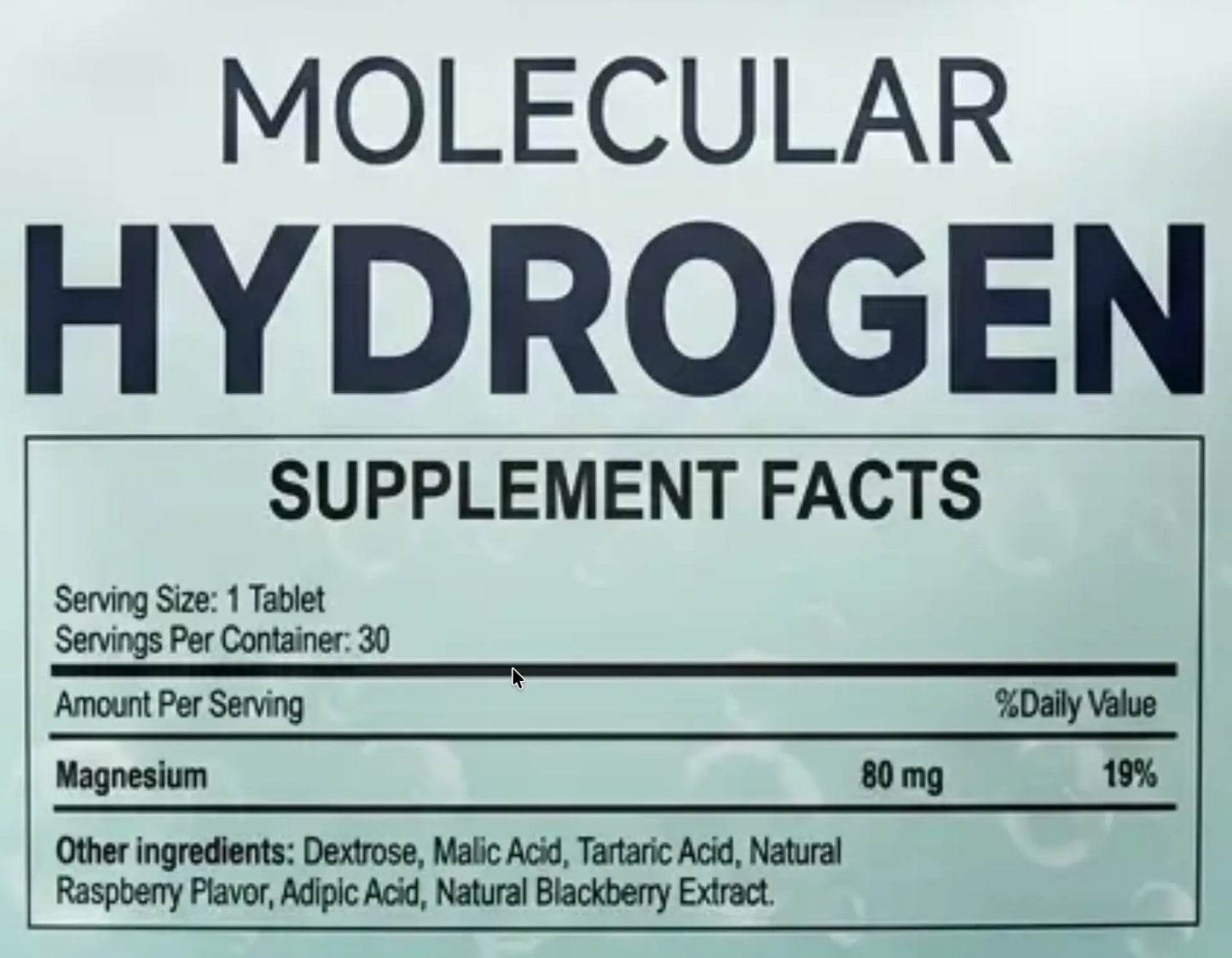
This reaction generates micro-bubbles of H2 gas in the water, and it also leaves magnesium in the glass — an essential mineral that supports normal muscle function. HALE provides 80 mg of magnesium per tablet, 19% of the Daily Value.
At HALE, our approach to science focuses on delivering consistent potency without unnecessary complexity. Our formulation process, overseen by the HALE Research Team, ensures that each tablet dissolves cleanly, leaving behind no residue, as part of a daily routine intended to support vitality, cognitive clarity, and physical recovery.
Frequently Asked Questions
How long does the hydrogen gas stay in the water after a tablet dissolves?
Because hydrogen is a highly volatile gas, it begins to escape into the air as soon as the tablet finishes dissolving. For maximum potency, we recommend drinking the water within 15 to 20 minutes of preparation. If you need to save it for later, store it in an airtight, double-walled stainless steel bottle filled completely to the brim to minimize the headspace where gas can escape.
Can I dissolve hydrogen tablets in liquids other than water?
We highly recommend dissolving the tablets in pure, filtered water. While they will dissolve in juice or tea, the organic compounds, acids, and sugars in these beverages can interfere with the chemical reaction, potentially reducing the total yield of hydrogen gas and altering the taste.
Are there any side effects to consuming molecular hydrogen?
Molecular hydrogen has an outstanding safety profile. It has been used in deep-sea diving gas mixtures since the 1940s without toxic effects. Because H2 naturally neutralizes into water (H2O) when reacting with certain free radicals, it leaves behind no toxic byproducts. The only minor effect some individuals experience is mild gastrointestinal movement, which is typically due to the beneficial magnesium content in the tablet.
Do hydrogen tablets contain actual hydrogen gas?
No, the tablets themselves do not contain trapped gas. Instead, they contain elemental magnesium, which reacts chemically with the water molecules (H2O) when submerged, releasing the hydrogen atoms from the water molecules as free, active H2 gas.
How many tablets should I take per day?
For general wellness, cognitive clarity, and daily vitality support, one tablet dissolved in 8-12 oz of water in the morning is an excellent baseline. HALE is taken as one tablet per day; a pouch of 30 tablets is a 30-day supply.
Sources
- Ohsawa et al., Nature Medicine, 2007
- Endothelial function with water over 7 ppm dissolved hydrogen, 2020
- Oral administration of hydrogen-rich water: a 2025 review
Disclaimer: These statements have not been evaluated by the Food and Drug Administration. HALE products are not intended to diagnose, treat, cure, or prevent any disease. Always consult a qualified healthcare provider before starting any new supplement, especially if you have a medical condition or are taking medication.