Whether you are tackling a high-intensity interval session, training for a marathon, or maintaining a disciplined strength routine, physical performance is only half of the fitness equation. The true bottleneck for long-term athletic progression, metabolic health, and daily vitality lies in how effectively your body recovers. Every strenuous workout induces transient physiological stress, generating reactive oxygen species (ROS) and metabolic byproducts that require cellular repair.
In recent years, researchers and wellness enthusiasts have turned their attention to molecular hydrogen (H2)—the smallest molecule in the universe—as an intriguing tool for exercise recovery. Emerging scientific literature suggests that molecular hydrogen dissolved in water may modulate oxidative stress, support endogenous antioxidant defenses, and encourage muscle comfort after exertion. In this guide, we explore the cellular mechanisms behind molecular hydrogen and how integrating H2 water into your post-workout protocol may optimize active recovery.
Understanding Exercise-Induced Oxidative Stress
During vigorous exercise, your body’s consumption of oxygen increases dramatically—sometimes up to twenty times higher than resting rates. While this elevated oxygen intake fuels cellular respiration and ATP (adenosine triphosphate) generation in the mitochondria, it also naturally increases the production of reactive oxygen species, often referred to as free radicals.
Controlled amounts of ROS are actually beneficial; they act as vital signaling molecules that prompt physiological adaptation, instructing your muscles to grow stronger and more resilient over time. However, when the rate of ROS generation exceeds your cells' natural antioxidant buffer, oxidative stress occurs. Excessive oxidative stress can lead to temporary cell damage, prolonged muscular fatigue, and delayed recovery intervals.
Traditional high-dose antioxidants, such as vitamin C or E, neutralized free radicals indiscriminately. Research indicates that blanket antioxidant supplementation might inadvertently suppress the helpful ROS signaling needed for training adaptation. This is where molecular hydrogen offers a unique biochemical advantage through what researchers term selective antioxidant action of molecular hydrogen.
How Molecular Hydrogen Supports Post-Workout Recovery
Molecular hydrogen acts as a selective antioxidant. Because H2 is electrically neutral and exceedingly small, it diffuses rapidly across cell membranes and blood-brain barriers, reaching intracellular compartments like mitochondria and the nucleus that larger antioxidants struggle to penetrate.
1. Targeted Neutralization of Cytotoxic Free Radicals
Unlike broad-spectrum antioxidants, preliminary studies show that molecular hydrogen selectively targets the most damaging oxidants—specifically the hydroxyl radical (•OH) and peroxynitrite (ONOO−)—without disturbing beneficial signaling molecules like hydrogen peroxide or nitric oxide. By neutralizing cytotoxic radicals into harmless water molecules, H2 helps protect delicate lipid membranes, cellular proteins, and mitochondrial DNA from acute post-workout damage.
2. Supporting Muscle Comfort and Reduced Lactate Accumulation
Intense muscular contraction relies on anaerobic glycolysis, producing hydrogen ions and lactate that contribute to temporary muscular burning and acute fatigue. Randomized clinical studies involving trained athletes suggest that drinking hydrogen-rich water prior to or immediately following exercise may help maintain blood pH balance and attenuate post-exercise blood lactate levels.
Furthermore, research indicates that H2 administration may support lower subjective scores of delayed onset muscle soreness (DOMS). Athletes consuming H2 water reported improved muscle comfort and quicker return to baseline force production in subsequent training sessions.
3. Supporting Mitochondrial Efficiency and Energy Production
Your mitochondria generate the ATP needed for muscle contractions. However, during intense activity, mitochondrial function can temporarily decline due to oxidative overload. Human and animal studies suggest that molecular hydrogen helps maintain mitochondrial membrane potential and supports ATP synthesis during physical strain, laying the groundwork for sustained energy during both workouts and daily tasks.
To explore additional research on exercise protocols, read our deep dive into molecular hydrogen for active recovery.
The Cellular Mechanism: Nrf2 Activation and Gene Expression
Beyond its direct selective radical-scavenging properties, molecular hydrogen functions as a biological response modifier. Research indicates that molecular hydrogen may activate the Nrf2 (Nuclear Factor Erythroid 2-Related Factor 2) pathway—a master genetic regulator of cellular defense.
When the Nrf2 pathway is activated, it signals the cell to upregulate its own endogenous antioxidant enzymes, including:
- Superoxide Dismutase (SOD): Neutralizes superoxide radicals into hydrogen peroxide.
- Glutathione Peroxidase (GPx): Converts hydrogen peroxide into water, preserving intracellular redox equilibrium.
- Catalase: Further breaks down oxidative byproducts within cellular tissues.
By encouraging your body to produce its own protective enzymes, molecular hydrogen acts not merely as a temporary buffer, but as a catalyst for cellular resilience. This dual mechanism—direct selective scavenging combined with pathway signaling—makes high-concentration H2 water a compelling addition to any active lifestyle routine, particularly when using easy-to-dose HALE molecular hydrogen tablets.
Practical Integration: How to Use Hydrogen Water for Recovery
To maximize the prospective recovery benefits of molecular hydrogen, timing and concentration are key factors to consider.
Optimal Timing Protocols
- Pre-Workout Hydration: Drinking hydrogen-rich water 30 to 60 minutes before physical activity may help prime cellular defenses and support stamina during high-output sessions.
- Post-Workout Recovery: Consuming hydrogen water immediately following exercise delivers H2 during the peak window of exercise-induced oxidative stress, aiding rapid cellular rehydration and muscle recovery.
- Rest Days: Maintaining a daily routine supports systemic redox balance, encouraging consistent cellular energy and metabolic resilience.
Concentration and Quality Considerations
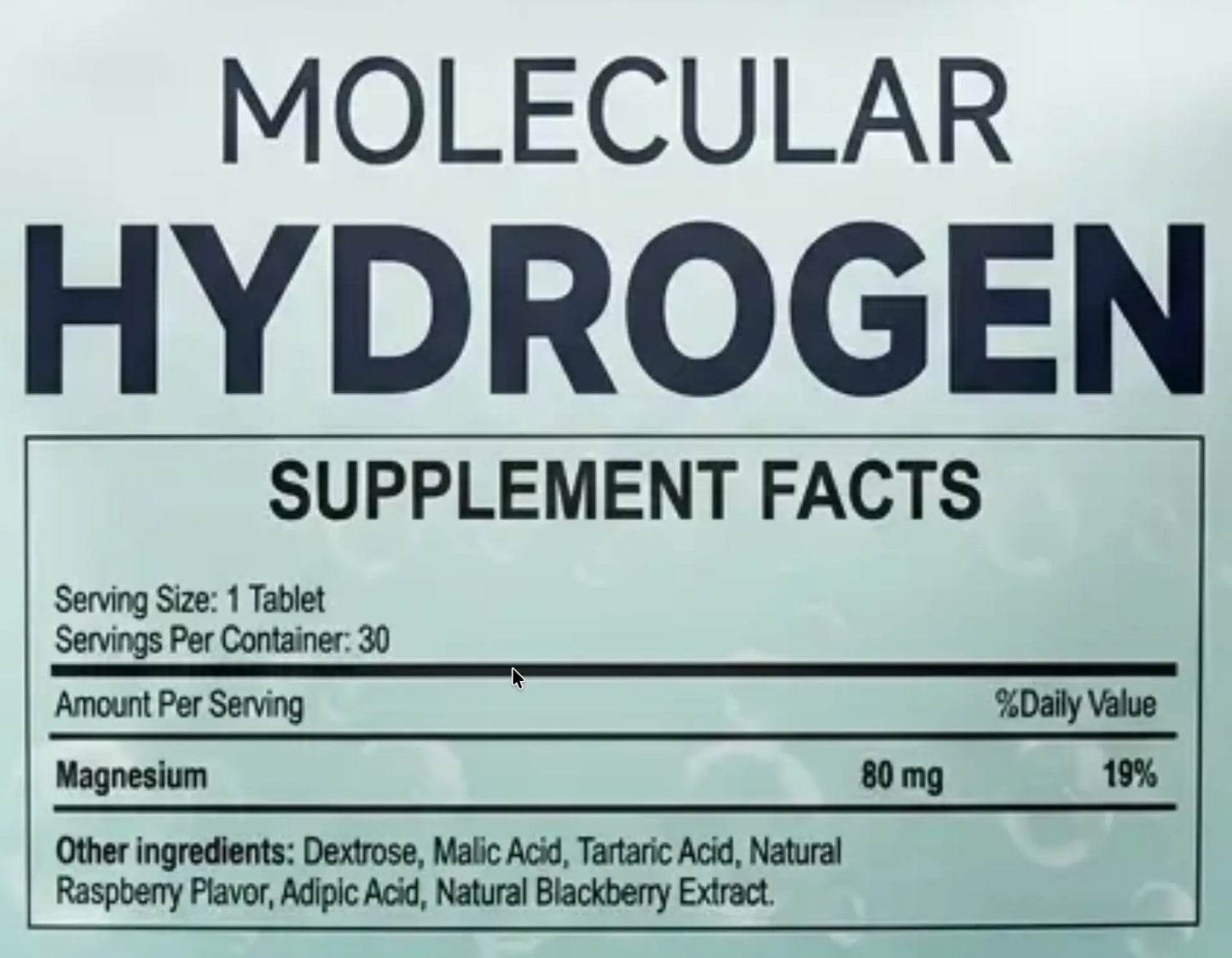
Molecular hydrogen is a volatile gas that naturally escapes quickly from open liquids. To experience meaningful physiological support, consuming high dissolved concentrations (measured in parts per million or ppm) is crucial. Utilizing specialized dissolvable hydrogen tablets allows you to generate fresh, highly concentrated H2 water (often exceeding 8 to 12 ppm) instantly in an open or closed container.
At HALE, our approach to science prioritizes rigorous testing, full ingredient transparency, and clinically relevant hydrogen yields. Every batch of H2 tablets undergoes rigorous evaluation to ensure safety and potency. Furthermore, our scientific content is reviewed under our editorial process guided by the HALE Research Team, ensuring educated consumers receive clear, unbiased summaries of current biomedical research.
Frequently Asked Questions
What is molecular hydrogen water?
Molecular hydrogen water is pure water infused with extra dissolved molecular hydrogen gas (H2). Unlike the hydrogen atoms bonded to oxygen in H2O molecules, this dissolved diatomic hydrogen gas remains unbonded and biologically available to cross cell membranes and interact with cellular components.
How does molecular hydrogen differ from standard antioxidants?
Traditional antioxidants often react indiscriminately with both beneficial and harmful reactive species. Molecular hydrogen acts as a selective antioxidant, targeting only highly cytotoxic radicals (like hydroxyl radicals) while preserving beneficial signaling molecules needed for physiological adaptation.
Can I take molecular hydrogen tablets every day?
Yes. Human clinical trials evaluating daily intake of hydrogen-rich water over extended periods have consistently demonstrated an exceptional safety profile with no reported toxic side effects. Excess hydrogen gas is simply exhaled through normal respiration.
When is the best time to drink hydrogen water for exercise recovery?
For exercise recovery, consuming hydrogen water within 30 to 60 minutes post-workout is widely considered ideal. However, drinking H2 water prior to exertion can also support stamina and cellular defense during intense training sessions.
How quickly can I expect to feel results?
Individual responses vary based on baseline fitness and exercise intensity. Some individuals report improved muscle comfort and decreased fatigue within hours of a strenuous workout, while long-term benefits to cellular vitality accumulate with consistent daily usage.
Sources
- https://pubmed.ncbi.nlm.nih.gov/17486089/
- https://pubmed.ncbi.nlm.nih.gov/22520831/
- https://pubmed.ncbi.nlm.nih.gov/25525237/
- https://pubmed.ncbi.nlm.nih.gov/30243838/
Disclaimer: These statements have not been evaluated by the Food and Drug Administration. HALE products are not intended to diagnose, treat, cure, or prevent any disease. Always consult a qualified healthcare provider before starting any new supplement, especially if you have a medical condition or are taking medication.