Enjoying a glass of wine with dinner or sharing a cocktail during a social gathering is a common ritual for many adults. However, for those invested in longevity, optimal cognitive function, and physical recovery, the downstream metabolic impact of alcohol consumption is a subject of growing focus. When the body metabolizes alcohol, it undergoes a complex enzymatic process that transiently increases oxidative stress, taxes cellular energy, and generates metabolic byproducts.
In recent years, researchers have turned their attention to molecular hydrogen (H2)—the universe's smallest molecule—as a unique biological agent. Known for its selective antioxidant properties and rapid cell-permeating abilities, early evidence suggests hydrogen gas dissolved in water may support cellular resilience during metabolic stress. At HALE, our approach to science is rooted in evaluating emerging research with clarity and objectivity, ensuring that our editorial process delivers transparent, research-backed education.
In this article, we examine how the human body processes alcohol, what early preclinical and clinical studies indicate about molecular hydrogen's interaction with alcohol metabolism, and how H2 fits into a modern cellular wellness routine.
Understanding How the Body Processes Alcohol
To understand how molecular hydrogen may offer cellular support, it is helpful to review the biological pathway of alcohol breakdown in the human body. When ethanol (alcohol) enters the bloodstream, the liver serves as the primary processing hub, using a two-step enzymatic pathway to break it down:
1. Conversion to Acetaldehyde
An enzyme called alcohol dehydrogenase (ADH) metabolizes ethanol into acetaldehyde. Acetaldehyde is a highly reactive and toxic intermediate compound. In high concentrations, it contributes significantly to cellular stress, tissue irritation, and the uncomfortable sensations associated with the morning after alcohol consumption.
2. Breakdown into Acetate
A second enzyme, aldehyde dehydrogenase (ALDH), rapidly converts acetaldehyde into acetate—a harmless, neutral compound. Acetate is subsequently broken down into water and carbon dioxide, which are safely eliminated by the body.
The Oxidative Stress Cascade
While this enzymatic system is highly efficient, processing ethanol generates an influx of reactive oxygen species (ROS) and free radicals, particularly hydroxyl radicals (•OH). This sudden spike in oxidative stress can deplete intracellular antioxidants, such as glutathione, and disrupt mitochondrial function. Over time, recurring oxidative load from alcohol metabolism can tax hepatic cellular health and slow physical recovery.
What Is Molecular Hydrogen and How Does It Work?
Molecular hydrogen (H2) is a diatomic gas made of two hydrogen atoms bonded together. Despite its simplicity, H2 possesses unique physical and biological characteristics that set it apart from conventional antioxidants like Vitamin C or Vitamin E.
Selective Antioxidant Activity
Unlike traditional antioxidants, which can indiscriminately neutralize both harmful and beneficial free radicals, molecular hydrogen functions as a selective antioxidant. Research demonstrates that H2 specifically targets the most cytotoxic ROS—such as the hydroxyl radical—while leaving essential signaling molecules (like nitric oxide and hydrogen peroxide) intact. To learn more about this mechanism, explore our in-depth article on selective antioxidant properties.
Rapid Cellular Diffusion
Because molecular hydrogen is neutral and extremely small, it diffuses effortlessly through cell membranes, the blood-brain barrier, and mitochondrial membranes. This allows H2 to deliver cellular support directly to the organelles where alcohol-induced oxidative stress occurs.
Molecular Hydrogen and Alcohol Metabolism: What Early Science Indicates
While research into molecular hydrogen is expanding rapidly across sports science and metabolic health, its specific application to alcohol metabolism remains an emerging field. However, several preliminary studies provide compelling insights into how H2 interacts with hepatic tissues during ethanol processing.
1. Support for Endogenous Antioxidant Enzymes
In animal models evaluating ethanol consumption alongside hydrogen-rich water, researchers observed a protective effect on the liver's natural defense systems. Preclinical studies published in peer-reviewed journals indicate that molecular hydrogen administration helped preserve levels of endogenous antioxidants, including superoxide dismutase (SOD), catalase, and glutathione (GSH). By mitigating the depletion of these native enzymes, H2 helped hepatocytes maintain baseline antioxidant balance despite acute ethanol exposure.
2. Reduction in Lipid Peroxidation Markers
When excess free radicals react with cellular lipids, they cause lipid peroxidation—a reaction that damages cell membranes. Malondialdehyde (MDA) is a standard biomarker used to measure this oxidative damage. In rodent models of acute alcohol ingestion, animals given hydrogen water displayed significantly lower levels of MDA compared to control groups. This suggests that hydrogen gas may help protect hepatic cell membranes from oxidative degradation during alcohol breakdown.
3. Influence on Alcohol-Metabolizing Enzymes
Preliminary laboratory research has explored whether molecular hydrogen exerts a direct influence on ADH and ALDH activity. Some preclinical models suggest that H2 dissolved in water may help maintain optimal activity of ALDH, potentially facilitating the smooth conversion of acetaldehyde into acetate. While these early findings are promising, human clinical trials are currently required to confirm whether hydrogen consumption accelerates acetaldehyde clearance in humans.
Understanding the Broader Context
It is crucial to note that molecular hydrogen is not a "hangover cure" or a license for excessive drinking. H2 does not eliminate blood alcohol content or neutralize the systemic impacts of intoxication. Rather, science indicates that H2 acts as a cellular buffer, helping the body manage the transient oxidative burden associated with normal metabolic processes. For a broader overview of how H2 supports biological balance, read our analysis of molecular hydrogen and metabolic health.
Why Delivery Method Matters for Hydrogen Intake
For molecular hydrogen to exert its cellular effects, it must be dissolved in liquid at therapeutic concentrations prior to ingestion. Because H2 is a light gas, it escapes quickly into the atmosphere if not delivered effectively.
Hydrogen-Rich Water vs. Standard Water
Standard municipal or bottled water contains virtually no free, dissolved molecular hydrogen gas. To achieve a functional concentration, H2 gas must be dissolved into water under pressure or generated dynamically through chemical reactions.
The Role of Hydrogen Tablets
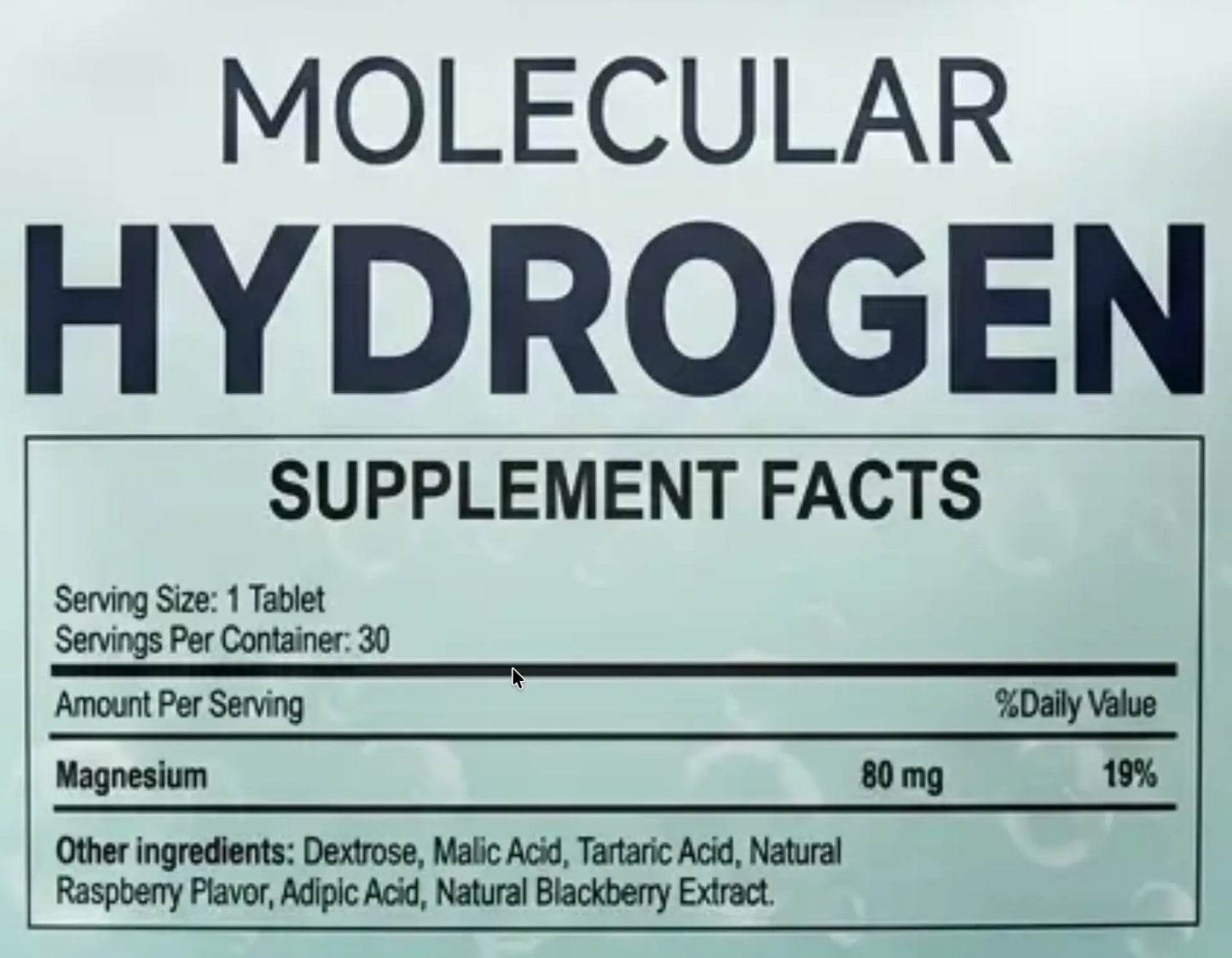
One of the most effective and practical delivery methods involves elemental magnesium tablets. When dropped into water, these specialized tablets react with H2O molecules to generate a cloud of dense, dissolved molecular hydrogen. Utilizing high-concentration HALE molecular hydrogen tablets allows you to transform standard drinking water into a rich solution of therapeutic H2 gas, delivering millions of micro-bubbles directly to your cellular pathways.
Because the generated gas dissipates gradually over 15 to 30 minutes, consuming the water immediately after the tablet fully dissolves ensures maximum bioavailability and absorption.
Incorporating Molecular Hydrogen Into a Balanced Longevity Routine
Optimizing recovery after social events or moderate alcohol intake requires an integrative approach. Molecular hydrogen can serve as a valuable tool within a broader wellness strategy focused on cellular hydration and metabolic resilience.
Practical Steps for Post-Social Recovery:
- Prioritize Systemic Hydration: Alcohol acts as a mild diuretic. Pairing alcohol consumption with regular water intake helps maintain plasma volume and kidney clearance.
- Consume H2 Water Before Bed and Upon Waking: Preparing water with hydrogen tablets before sleeping and again the following morning delivers a concentrated dose of dissolved H2 when your liver is actively processing metabolic compounds.
- Replenish Key Electrolytes: Pair hydrogen-rich water with essential minerals like sodium, potassium, and magnesium to support cellular fluid balance.
- Support Sleep Architecture: Alcohol can disrupt REM and deep sleep cycles. Creating a cool, dark sleep environment supports natural overnight cellular repair.
By incorporating dissolved H2 tablets into your evening and morning routines, you provide your cells with targeted antioxidant support precisely when metabolic demand is high.
Frequently Asked Questions
Can molecular hydrogen prevent or cure a hangover?
No. Molecular hydrogen is not a cure or treatment for alcohol hangover, toxicity, or acute intoxication. Hangovers are caused by a complex combination of dehydration, electrolyte imbalances, sleep disruption, and acetaldehyde buildup. Preclinical studies suggest molecular hydrogen may help support cellular balance and reduce oxidative stress associated with alcohol metabolism, but it does not prevent or reverse intoxication.
When is the best time to drink hydrogen water when consuming alcohol?
While optimal timing continues to be researched, many individuals choose to consume hydrogen-rich water shortly before social events, before bed, or early the following morning. Drinking H2 water during these windows delivers selective antioxidants at key times when cellular oxidative stress is heightened.
Does molecular hydrogen lower Blood Alcohol Concentration (BAC)?
There is currently no definitive human evidence that molecular hydrogen lowers BAC or speeds up the elimination of ethanol from the bloodstream. Hydrogen's main physiological role appears to involve buffering free radicals and supporting natural cellular antioxidant enzymes rather than altering alcohol absorption rates.
Is drinking hydrogen water safe alongside normal hydration?
Yes. Molecular hydrogen has an exceptional safety profile supported by numerous human studies. H2 is a naturally occurring gas produced in small amounts by human gut flora during the fermentation of dietary fiber. Any unused hydrogen gas simply diffuses out of the body through respiration without toxic accumulation.
How does molecular hydrogen differ from regular antioxidants like Vitamin C?
Unlike standard antioxidants, which are larger molecules that neutralize free radicals non-selectively, molecular hydrogen is small enough to penetrate nuclear and mitochondrial membranes effortlessly. Additionally, H2 only neutralizes harmful reactive oxygen species (like hydroxyl radicals) without disrupting beneficial signaling radicals needed for normal biological function.
Sources
- Ohsawa et al., Nature Medicine, 2007
- Hydrogen-rich water and inflammatory response in healthy adults, 2020
- Hydrogen-rich water and oxidative stress: 2026 review
Disclaimer: These statements have not been evaluated by the Food and Drug Administration. HALE products are not intended to diagnose, treat, cure, or prevent any disease. Always consult a qualified healthcare provider before starting any new supplement, especially if you have a medical condition or are taking medication.