The Foundation of Metabolic Vitality
Metabolic health is often misunderstood as merely the absence of weight-related concerns. In reality, it is a complex, dynamic state of cellular efficiency. It describes how well our bodies generate and process energy, manage blood sugar, and regulate lipids. When our metabolism functions optimally, we experience sustained energy, mental clarity, and resilience against the natural processes of aging. However, when metabolic pathways become sluggish, often due to oxidative stress and inflammation, it can impact everything from our waistline to our cognitive function.
In recent years, a tiny molecule has gained significant attention in the scientific community for its potential to support these vital pathways: molecular hydrogen (H2). As the smallest molecule in existence, H2 possesses the unique ability to penetrate cellular membranes and reach the mitochondria—the powerhouses of our cells. Research suggests that HALE molecular hydrogen tablets may offer a novel way to support metabolic balance by modulating oxidative stress and influencing key metabolic signaling pathways.
Understanding the Mitochondrial Connection
At the heart of metabolic health lies the mitochondrion. These organelles are responsible for converting the nutrients from our food into adenosine triphosphate (ATP), the primary energy currency of the body. However, this process is not perfectly efficient. As mitochondria produce energy, they also generate reactive oxygen species (ROS) as a byproduct. While some ROS are necessary for cellular signaling, an excess can lead to oxidative stress, which may damage mitochondrial DNA and impair energy production.
ATP Production and Efficiency
Research indicates that molecular hydrogen may support mitochondrial function by acting as a selective antioxidant. Unlike traditional antioxidants that may indiscriminately neutralize all free radicals, H2 appears to target only the most cytotoxic (cell-damaging) radicals. By maintaining this delicate balance, H2 may help protect the mitochondria, potentially leading to more efficient ATP production and improved cellular bioenergetics. To learn more about this specific mechanism, you can read our deep dive on molecular hydrogen and selective oxidative stress.
Supporting Healthy Glucose and Insulin Dynamics
One of the most critical markers of metabolic health is how the body manages glucose. Insulin sensitivity—the efficiency with which your cells respond to insulin to usher glucose out of the bloodstream—is paramount for long-term wellness. When insulin sensitivity wanes, the body must work harder to maintain balance, often leading to a cascade of metabolic challenges.
Early human research has begun to explore whether hydrogen-rich water influences markers of glucose metabolism. These studies are small and preliminary, and the findings are not yet settled. One proposed mechanism is that H2 may influence the translocation of GLUT4 (a glucose transporter) to the cell surface, which would relate to maintaining healthy blood sugar levels already within a normal range. Hydrogen tablets are simply a convenient way to prepare hydrogen-rich water at home.
The Role of Ghrelin: A Unique Metabolic Pathway
Beyond its antioxidant properties, molecular hydrogen acts as a gaseous signaling molecule. One of its most fascinating interactions is with ghrelin, often referred to as the "hunger hormone." While ghrelin is best known for stimulating appetite, it also plays a significant role in protecting the brain and regulating growth hormone secretion.
Animal studies have suggested that oral ingestion of hydrogen-rich water may stimulate the secretion of ghrelin. This is significant because ghrelin has been shown to have anti-inflammatory and neuroprotective effects. By potentially modulating this hormonal pathway, H2 may support a healthy metabolic rate and contribute to the body’s natural energy regulation systems. This multifaceted approach to wellness is central to the role of molecular hydrogen in longevity and metabolic health.
Lipid Metabolism and Liver Support
The liver is the primary metabolic hub of the body, responsible for processing fats and detoxifying the system. When metabolic health is compromised, lipids can begin to accumulate in the liver, leading to oxidative stress and impaired function. Research suggests that H2 may support lipid metabolism by activating certain transcription factors, such as PPARα, which are involved in fatty acid oxidation.
Lipid markers are another area early researchers have looked at, though the human evidence here remains limited and preliminary rather than conclusive. The interest is in whether supporting the liver's normal handling of fats may contribute to overall metabolic balance and healthy cholesterol levels already within a normal range.
Quality and Editorial Standards
At HALE, we believe that transparency and scientific rigor are essential when navigating the world of wellness supplements. Our HALE Research Team meticulously reviews current literature to ensure our content reflects the latest peer-reviewed findings. When considering H2 tablets, the delivery method matters; our tablets are designed to dissolve hydrogen gas into the water at the point of use, so it is available when you drink it.
Our commitment to excellence extends to our approach to science, where we prioritize purity, potency, and practical application. We aim to provide the tools you need to support your metabolic health through every stage of life, backed by data rather than hype.
Incorporating H2 into Your Wellness Routine
Supporting your metabolism is a holistic endeavor that includes a balanced diet, regular physical activity, and adequate sleep. Molecular hydrogen is not a substitute for these foundations, but rather a sophisticated tool to enhance them. It is often suggested that hydrogen-rich water be taken on an empty stomach or before exercise.
Because H2 is a gas that escapes from water quickly, hydrogen dissolved at the moment you drink it is the practical reason tablets exist: a bottle filled at a factory has had time to lose gas before it reaches you. By dropping a tablet into a glass of water, you can make that part of your daily morning or pre-workout ritual.
Frequently Asked Questions
Can molecular hydrogen tablets help with weight management?
While H2 is not a weight-loss product, research suggests it may support metabolic health by influencing energy metabolism and supporting healthy glucose and lipid levels. These factors are essential components of maintaining a healthy body composition when combined with proper diet and exercise.
How does H2 affect insulin sensitivity?
Studies indicate that H2 may support insulin sensitivity by modulating oxidative stress within the cells and potentially assisting in the signaling pathways that allow glucose to enter the cells more efficiently.
Is there a specific time of day to take H2 for metabolic benefits?
Many users find that taking H2 in the morning on an empty stomach or 20-30 minutes before a meal provides the most consistent results. This allows the molecule to be absorbed and begin its signaling processes without interference from digestion.
Are there any side effects of using molecular hydrogen?
Molecular hydrogen has an extensive safety profile. It is a naturally occurring gas in the human gut (produced by flora) and has been used in deep-sea diving gas mixes for decades. Clinical studies on hydrogen-rich water have reported no significant adverse effects.
How many HALE tablets should I use daily?
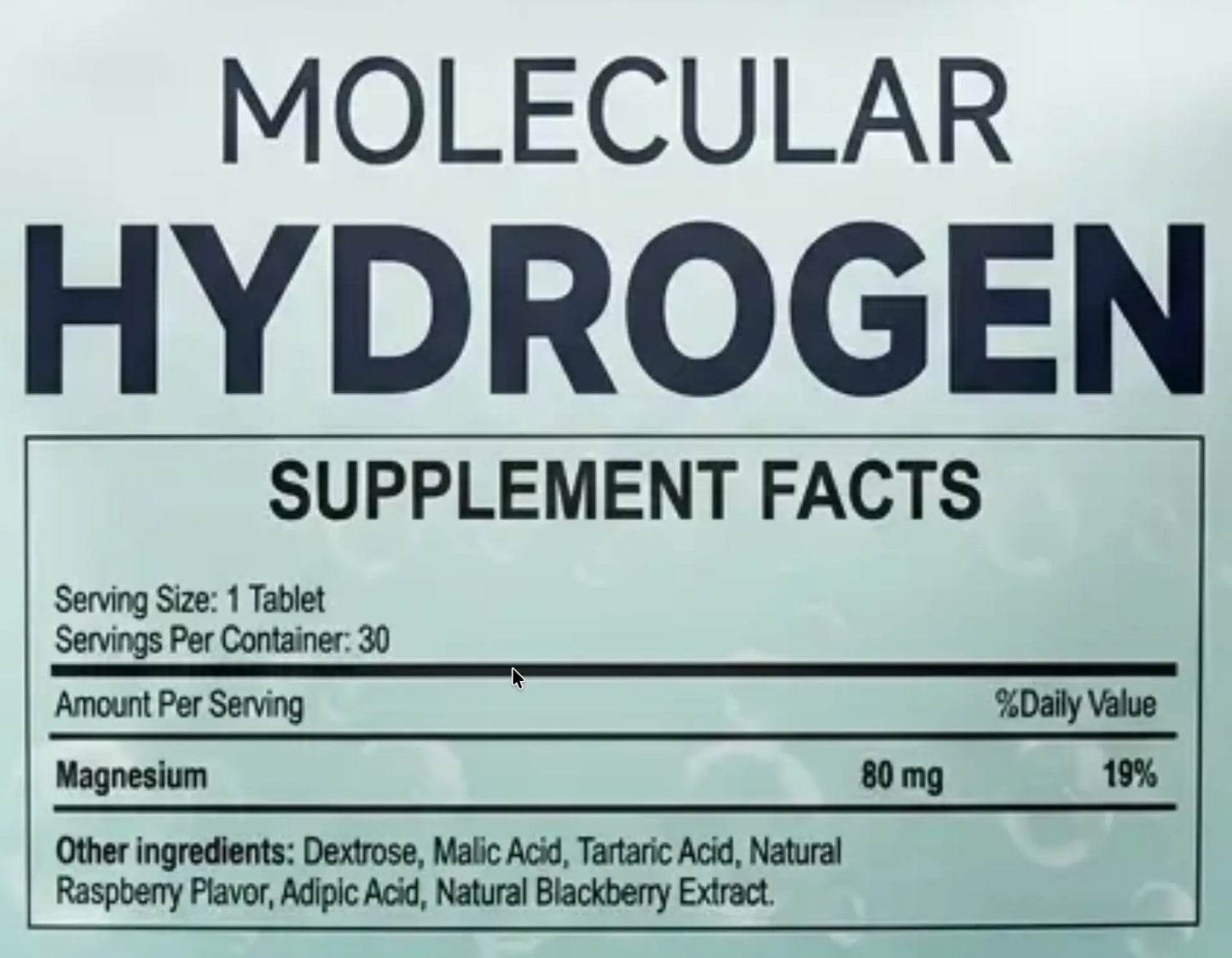
HALE is taken as one tablet per day. Always follow the specific suggestions on the product label and consult with a healthcare professional if you have specific health concerns.
Sources
- Ohsawa et al., Nature Medicine, 2007
- Hydrogen-rich water and fecal propionic acid, 2023
- Hydration bioanalyses of hydrogen-rich water, 2026
Disclaimer: These statements have not been evaluated by the Food and Drug Administration. HALE products are not intended to diagnose, treat, cure, or prevent any disease. Always consult a qualified healthcare provider before starting any new supplement, especially if you have a medical condition or are taking medication.