In the world of wellness, we often look for the next big breakthrough in nutrition or biohacking. Yet, sometimes the most profound support for our health comes from the simplest of elements. Molecular hydrogen (H2) is the smallest, lightest, and most abundant molecule in the universe. While it has been used for decades in specialized medical and industrial settings, a growing body of peer-reviewed research is now exploring the potential benefits of hydrogen water for daily health optimization.
Hydrogen water is simply pure water infused with extra molecules of dissolved hydrogen gas. Because H2 is so small, it can easily permeate cell membranes and even cross the blood-brain barrier, reaching areas that larger antioxidants cannot. For adults focused on maintaining steady energy, good recovery and long-term cognitive health, understanding the role of this unique molecule is becoming essential. In this guide, we will explore what the current science says about the potential benefits of hydrogen water and how it may fit into a proactive wellness routine.
1. The Science of Selective Antioxidant Support
One of the most unique aspects of molecular hydrogen is its role as a selective antioxidant. In our bodies, we naturally produce reactive oxygen species (ROS), often referred to as free radicals. While some free radicals are harmful and can lead to oxidative stress, others actually serve as important signaling molecules for immune function and cellular repair. Many traditional antioxidants are non-selective, meaning they may neutralize both the harmful and the beneficial radicals.
Research suggests that molecular hydrogen may behave differently. Studies indicate that H2 selectively targets the most cytotoxic (cell-damaging) radicals, such as the hydroxyl radical, while leaving the beneficial signaling radicals intact. This selective approach may help maintain a healthy redox balance within the cell, supporting overall cellular integrity without interfering with necessary biological processes. To dive deeper into how this process works at a cellular level, you can read our detailed explanation of molecular hydrogen and selective oxidative stress.
Supporting the Body's Natural Defense Systems
Beyond its direct action, molecular hydrogen may also support the body's endogenous antioxidant systems. Research has shown that H2 may help activate the Nrf2 pathway, a primary regulator of the body’s internal antioxidant response. By supporting the production of enzymes like glutathione and superoxide dismutase, hydrogen water may help the body better manage the daily stressors of modern life.
2. Athletic Performance and Physical Recovery
For those dedicated to fitness and longevity, recovery is just as important as the workout itself. During intense exercise, the body undergoes temporary oxidative stress and produces metabolic byproducts like lactate. This often results in muscle fatigue and post-exercise soreness that can hinder progress.
Studies involving athletes have suggested that drinking hydrogen-rich water before or during exercise may support physical performance. Some research indicates a potential reduction in blood lactate levels and a decrease in muscle fatigue following strenuous activity. By supporting the body’s ability to manage oxidative stress during exertion, HALE molecular hydrogen tablets may help active individuals maintain their training consistency and feel more refreshed the following day.
Reducing Post-Workout Inflammation
Exercise-induced inflammation is a natural part of muscle growth, but excessive or prolonged inflammation can delay recovery. Preliminary research suggests that hydrogen water may support a healthy inflammatory response, allowing the body to transition from the stress of a workout to the repair phase more efficiently. This makes it a popular choice for those looking to optimize their recovery windows.
3. Cognitive Resilience and Brain Health
As we age, maintaining mental clarity and focus becomes a top priority. The brain is particularly susceptible to oxidative stress due to its high oxygen consumption and high fat content. Because molecular hydrogen is small enough to cross the blood-brain barrier, it has become a subject of great interest in the field of neurology.
Research suggests that hydrogen water may support cognitive resilience by protecting neurons from oxidative damage. Some human studies have indicated that regular consumption of hydrogen-rich water may support mood regulation and mental clarity, potentially by influencing the health of the hippocampus—the area of the brain responsible for memory and emotion. This is further explored in our comprehensive article on molecular hydrogen for cognitive resilience.
Focus and Mental Clarity
Many users of hydrogen water report a subtle but noticeable improvement in their daily focus. While hydrogen is not a stimulant like caffeine, its potential to support cellular energy production (ATP) and reduce oxidative load may contribute to a sense of "brain fog" lifting, especially during demanding workdays or periods of high mental stress.
4. Metabolic Health and Longevity
Metabolic health is the foundation of longevity. Issues such as imbalanced blood sugar levels and poor lipid profiles are often linked to underlying oxidative stress and cellular dysfunction. Emerging research suggests that molecular hydrogen may play a role in supporting metabolic homeostasis.
Early studies have looked at whether hydrogen water may support healthy cholesterol and glucose levels already within a normal range, though this human evidence is still limited. By influencing certain metabolic pathways, such as the secretion of the hormone ghrelin or the activation of sirtuins (proteins linked to longevity), hydrogen may help the body maintain a more youthfully functioning metabolism. Supporting a healthy lifespan is a core focus of our research on the role of molecular hydrogen in longevity.
A Foundation for Healthy Aging
Longevity is not just about living longer, but about maintaining high quality of life. By supporting cellular health and reducing the cumulative effects of oxidative stress over time, hydrogen water may be a valuable tool in a proactive aging strategy. It complements other healthy habits like a balanced diet, regular exercise, and adequate sleep by providing targeted cellular support.
5. Practicality and Delivery Methods
While hydrogen water can be produced in several ways, not all methods are created equal. Some people use hydrogen water machines, but these can be expensive and require significant maintenance. Others buy pre-packaged hydrogen water in cans or pouches, but hydrogen gas is the smallest molecule and can easily leak through many types of packaging over time, leading to lower concentrations by the time it reaches the consumer.
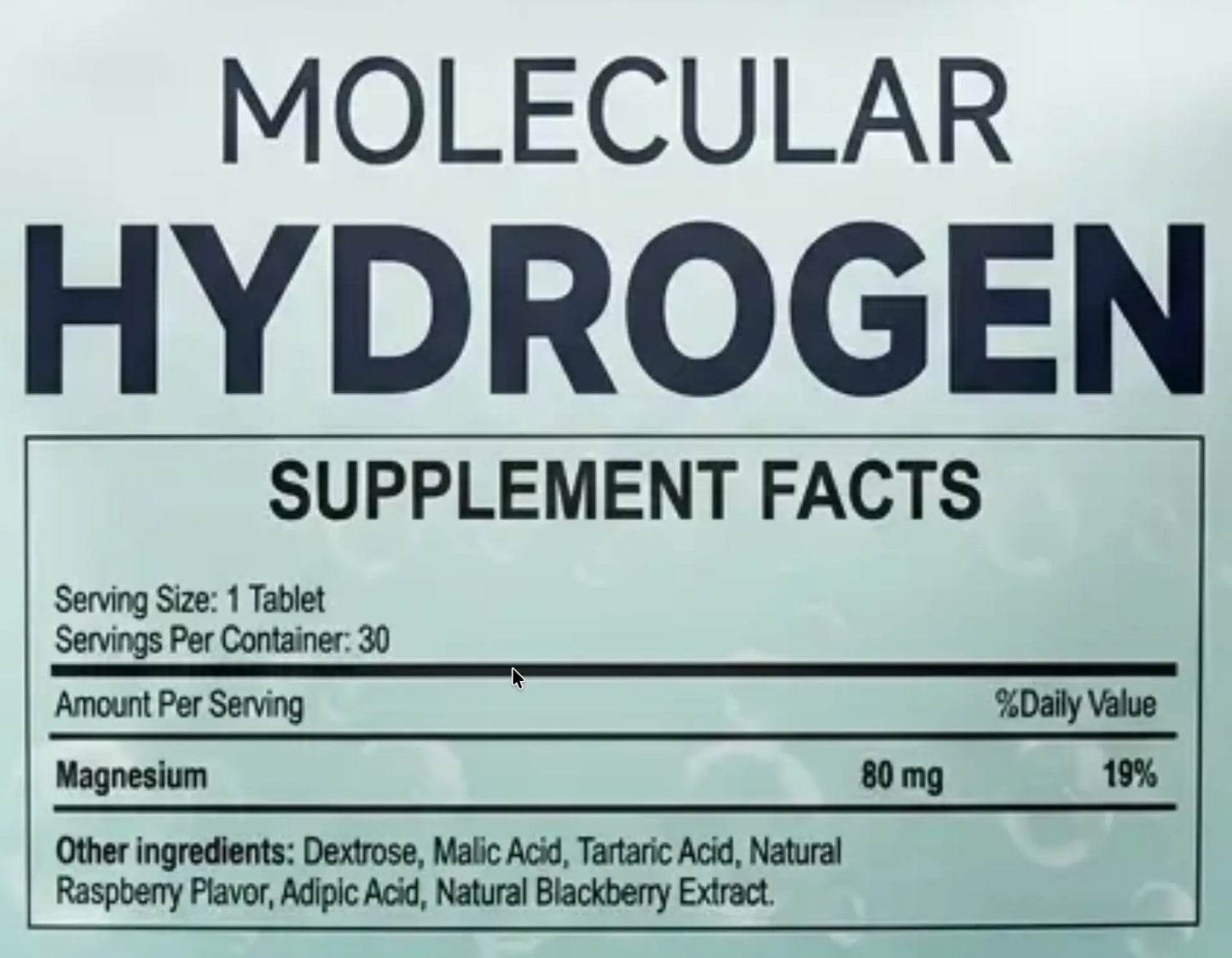
This is where hydrogen tablets offer a distinct advantage. These tablets are designed to react with water in your glass or bottle, releasing the H2 right before you drink it rather than weeks earlier in a factory. That freshness is the whole point of the format, and it reflects our approach to science at HALE, where we prioritise being straightforward about what the delivery method can and cannot do.
How to Incorporate Hydrogen Water
Incorporating hydrogen water into your routine is simple. Most people find success by dropping one of the H2 tablets into a glass of water first thing in the morning or about 30 minutes before a workout. The key is to drink the water immediately once the tablet has fully reacted to ensure you consume the gas before it dissipates into the air.
6. Safety and Considerations
Molecular hydrogen has an excellent safety profile. It is a naturally occurring gas that the body even produces in small amounts through gut fermentation. Hundreds of peer-reviewed studies have been conducted on H2, and to date, no significant adverse side effects have been reported. It is non-toxic even at high concentrations.
However, as with any supplement, it is always wise to consult with a healthcare professional if you are pregnant, nursing, or managing a specific health condition. Hydrogen water is intended to support wellness and is not a replacement for medical treatment.
Frequently Asked Questions
When is the best time to drink hydrogen water?
While you can drink it any time, many people prefer drinking it on an empty stomach first thing in the morning for metabolic support, or 30 minutes before exercise to support performance and recovery. Drinking it immediately after preparation is the most important factor.
Does hydrogen water taste different?
Molecular hydrogen gas is odorless and tasteless. However, depending on the delivery method, you might notice a slight change in the texture or "mouthfeel" of the water. Tablets may add a very slight mineral taste depending on the magnesium content used to create the reaction.
How many tablets should I take per day?
HALE is one tablet per day, dissolved in 8-12 oz of plain water; a pouch of 30 is a month. Consistency over time is more important than taking a high volume in a single day.
Is hydrogen water better than regular water?
Hydrogen water provides all the hydration of regular water with the added cellular support of molecular hydrogen. It is not a replacement for water, but rather an "upgraded" version of it designed for specific physiological support.
Can I use hydrogen tablets in tea or juice?
It is best to use pure, filtered water. Other liquids may interfere with the chemical reaction required to release the hydrogen gas, or the acidic nature of some juices might cause the gas to dissipate too quickly.
How long does it take to feel the benefits?
Some people notice improvements in energy or recovery within a few days, while others may take several weeks of consistent use to notice changes in metabolic or cognitive markers. Like most wellness interventions, the effects are often cumulative.
Sources
- Ohsawa et al., Nature Medicine, 2007
- Oral administration of hydrogen-rich water: a 2025 review
- Hydrogen-rich water and inflammatory response in healthy adults, 2020
- Hydrogen-rich water, muscle performance and lactate, 2022
Disclaimer: These statements have not been evaluated by the Food and Drug Administration. HALE products are not intended to diagnose, treat, cure, or prevent any disease. Always consult a qualified healthcare provider before starting any new supplement, especially if you have a medical condition or are taking medication.