The Smallest Molecule with a Significant Impact
In the world of health and wellness, we are often told that bigger is better—more nutrients, higher doses, and complex formulations. However, some of the most compelling recent research in longevity and metabolic health focuses on the smallest molecule in the universe: molecular hydrogen (H2). While hydrogen is the most abundant element, its role as a therapeutic gas in the form of hydrogen-rich water is a relatively modern discovery that has captured the attention of researchers and health optimists alike.
For adults between the ages of 30 and 55, the focus often shifts from temporary fitness goals to long-term vitality, cognitive resilience, and efficient recovery. This is where the science of molecular hydrogen becomes particularly relevant. Unlike traditional antioxidants that may indiscriminately neutralize both harmful and beneficial signaling molecules, H2 is unique. It is a selective gas that appears to target only the most damaging free radicals while leaving the body’s essential signaling processes intact. This article explores the peer-reviewed science behind hydrogen-rich water and how it may support your journey toward optimal wellness.
The Bioavailability of the Smallest Molecule
The primary advantage of molecular hydrogen lies in its size. Because H2 is so small, it can diffuse rapidly through cell membranes and enter compartments that other, larger antioxidants cannot reach. This includes the mitochondria—the powerhouses of our cells—and even the nucleus, where our DNA is stored.
Crossing the Blood-Brain Barrier
One of the most significant biological hurdles for any health-supporting compound is the blood-brain barrier (BBB). This tightly knit layer of cells protects the brain from toxins but also keeps out many beneficial nutrients. Research suggests that because molecular hydrogen is a neutral, non-polar molecule, it can cross the BBB with ease. This characteristic is central to the growing body of literature exploring molecular hydrogen for cognitive resilience and its potential to support brain health as we age.
Cellular Diffusion
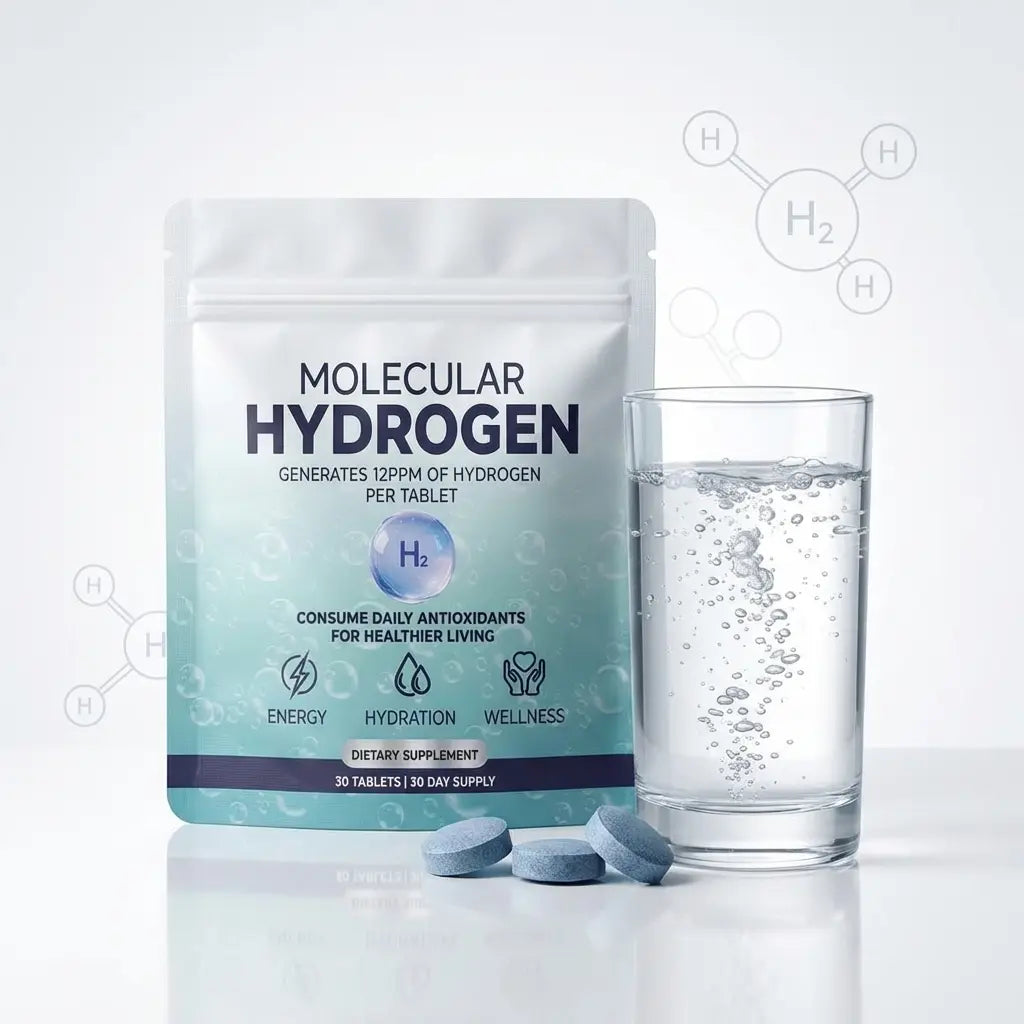
When you consume hydrogen-rich water, the H2 gas does not need to be digested or broken down. It begins diffusing into your tissues immediately. This rapid delivery system is why many individuals prefer using HALE molecular hydrogen tablets, which create a high concentration of H2 in water, ensuring that the gas is available for cellular uptake the moment it is consumed.
Selective Antioxidant Activity: A Different Approach
To understand why molecular hydrogen is gaining traction, we must look at how it interacts with oxidative stress. Oxidative stress occurs when there is an imbalance between free radicals (reactive oxygen species, or ROS) and the body’s ability to neutralize them. While some ROS are highly damaging, others serve as vital signaling molecules that tell the body how to adapt to exercise and repair itself.
Targeting the Hydroxyl Radical
The most dangerous of these free radicals is the hydroxyl radical (•OH). It is highly reactive and can cause significant damage to proteins, lipids, and DNA. Research indicates that molecular hydrogen specifically targets these cytotoxic (cell-killing) radicals. By neutralizing the hydroxyl radical and turning it into harmless water (H2O), H2 helps maintain cellular integrity without disrupting the beneficial ROS that regulate immune function and cellular communication. For a deeper dive into this mechanism, you can read more about molecular hydrogen and selective oxidative stress.
Supporting the Body's Natural Defense Systems
Beyond its direct action, studies suggest that H2 may also act as a gaseous signal modulator. It appears to activate the Nrf2 pathway, which is the body’s internal "thermostat" for antioxidant production. By supporting this pathway, molecular hydrogen may help the body produce more of its own protective enzymes, such as glutathione and superoxide dismutase. This dual action—direct neutralization and indirect upregulation—is a cornerstone of our approach to science at HALE.
Physical Performance and Muscle Recovery
For those maintaining an active lifestyle in their 40s and 50s, recovery time becomes a critical factor. Exercise naturally increases oxidative stress and lactic acid production, which can lead to muscle fatigue and soreness. Research involving athletes has shown that drinking hydrogen-rich water before or after exercise may support a more efficient recovery process.
Lactic Acid and Muscle Fatigue
Preliminary studies indicate that H2 may help manage the buildup of lactate in the blood during intense physical activity. By supporting mitochondrial function, hydrogen tablets may allow for sustained energy output and reduced perceived exertion. This doesn't mean H2 is a stimulant; rather, it supports the cellular environment so that your muscles can perform as intended with less oxidative "friction."
Reducing Post-Workout Soreness
The potential for H2 to support a healthy inflammatory response is also a major area of study. By mitigating the spike in oxidative stress following a heavy lifting session or a long run, hydrogen-rich water may support the repair process, helping you return to your training schedule with less downtime. This practical application is why many people integrate H2 into their daily wellness ritual.
Longevity and Metabolic Support
Aging is often described as the slow accumulation of oxidative damage and metabolic inefficiency. As we look toward longevity, the goal is to maintain metabolic flexibility and cellular energy production. Molecular hydrogen is being studied for its role in supporting metabolic health, particularly in how the body processes glucose and lipids.
Mitochondrial Health
The mitochondria are the primary source of cellular energy (ATP), but they are also the primary source of free radicals. When mitochondria become inefficient, energy levels drop and oxidative damage increases. Research suggests that molecular hydrogen may support mitochondrial membrane potential, essentially helping the cellular "engines" run cleaner and more efficiently. This is a key reason why researchers are investigating the role of molecular hydrogen in longevity.
Metabolic Balance
Studies indicate that H2 may influence the expression of certain genes involved in metabolism, such as FGF21. By supporting these metabolic pathways, hydrogen-rich water may help maintain healthy energy balance and systemic wellness. This makes it a valuable tool for those looking to support their health span alongside a balanced diet and regular movement.
Quality and Concentration: Why It Matters
Not all hydrogen water is created equal. The therapeutic potential of H2 is largely dependent on its concentration, measured in parts per million (ppm). Many pre-packaged hydrogen waters lose their gas content during shipping and storage because hydrogen is so small it can leak through plastic and even some glass containers.
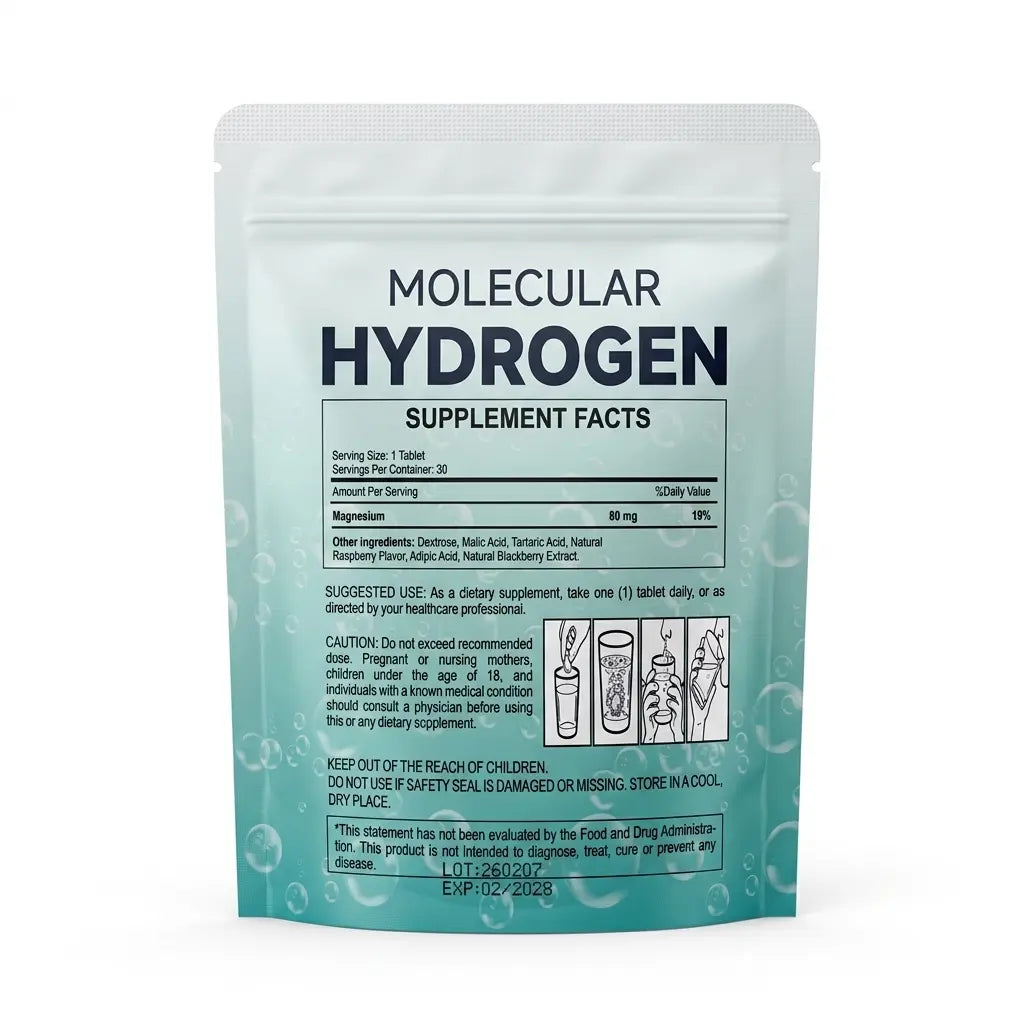
This is why the HALE Research Team emphasizes the use of open-cup hydrogen tablets. By dissolving a tablet in water just before drinking, you ensure that you are receiving a fresh, high-concentration dose of molecular hydrogen. This delivery method provides the highest bioavailability and ensures the gas reaches your cells before it can escape into the atmosphere.
Integrating H2 into Your Daily Routine
The beauty of molecular hydrogen is its simplicity. It is non-toxic, has no known side effects at therapeutic doses, and is easy to consume. Most people find that dropping one or two H2 tablets into their morning water or post-workout bottle is all it takes to begin experiencing the support of this unique molecule.
As we continue to monitor the evolving landscape of hydrogen research, the consensus remains clear: while H2 is not a "magic bullet," it is a scientifically fascinating tool that may support the foundational pillars of health—recovery, cognition, and metabolic resilience. By addressing oxidative stress at its source, molecular hydrogen helps create an environment where your cells can thrive.
Frequently Asked Questions
What does hydrogen-rich water taste like?
Molecular hydrogen is an odorless, tasteless gas. When you use HALE tablets, the water will look cloudy for a few moments as the gas dissolves, but the taste remains neutral, though some people notice a slight change in the "mouthfeel" or texture of the water.
How many servings of hydrogen water should I drink per day?
Most clinical studies involve participants consuming 1 to 2 liters of hydrogen-rich water daily, typically providing 3–10 mg of H2. For most users, 1 to 2 tablets per day is the standard recommendation to support general wellness and recovery.
Is molecular hydrogen safe?
Yes. Hydrogen gas has been used in deep-sea diving since the 1940s to prevent decompression sickness, and it has a long-standing safety profile. It is naturally produced by our gut bacteria during the fermentation of fiber. Hydrogen-rich water is simply a way to provide a more concentrated, systemic dose.
Can I use hydrogen tablets in hot water?
It is best to use cold or room-temperature water. Gas solubility decreases as temperature increases, meaning the molecular hydrogen will escape the water much faster in hot liquids, reducing the effectiveness of the serving.
When is the best time to drink hydrogen water?
While you can drink it any time, many people prefer it first thing in the morning on an empty stomach for maximum absorption, or immediately following exercise to support the recovery process and manage oxidative stress.
Sources
- https://pubmed.ncbi.nlm.nih.gov/17486089/
- https://pubmed.ncbi.nlm.nih.gov/23610159/
- https://pubmed.ncbi.nlm.nih.gov/28474241/
- https://www.ncbi.nlm.nih.gov/pmc/articles/PMC3257754/
Disclaimer: These statements have not been evaluated by the Food and Drug Administration. HALE products are not intended to diagnose, treat, cure, or prevent any disease. Always consult a qualified healthcare provider before starting any new supplement, especially if you have a medical condition or are taking medication.